
RV and Camper Financing in Canada: Complete Loan Guide for Recreational Vehicles in 2026
Your Complete Guide to Financing an RV or Camper in Canada
Canada’s vast wilderness, stunning provincial parks, and endless scenic highways make it one of the best countries in the world for RV travel. Whether you dream of exploring the Rocky Mountains in a Class A motorhome, touring the Maritimes in a travel trailer, or spending weekends at your favourite campground in a pop-up camper, owning a recreational vehicle opens up a world of adventure. But for most Canadians, purchasing an RV requires financing — and understanding how RV loans work in Canada is essential to getting a deal that fits your budget.
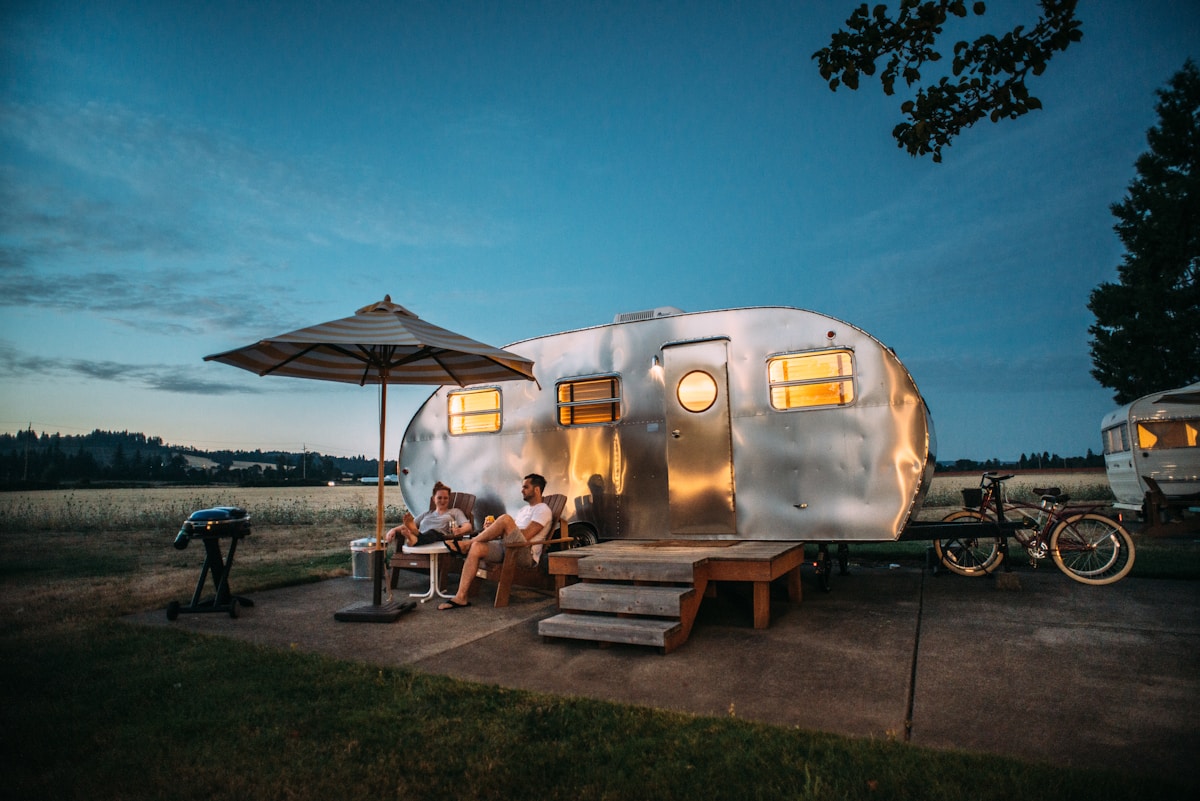
RV financing in Canada differs from traditional auto financing in several important ways. The loan amounts are larger, the terms are longer, and the factors that lenders consider go beyond your standard credit application. In this guide, we cover everything you need to know about financing an RV or camper in Canada — from loan rates and credit requirements to insurance, depreciation, and seasonal payment plans.
- RV loan terms in Canada can extend up to 20 years for newer, higher-value units
- Interest rates for RV financing typically range from 6.99% to 15.99%, depending on credit score and loan term
- Secured RV loans (where the RV serves as collateral) offer lower rates than unsecured personal loans
- Seasonal payment plans are available from some lenders, allowing reduced payments during winter months
- RV depreciation is significant — new RVs can lose 20% to 30% of their value in the first year
- Insurance requirements for financed RVs are more comprehensive than for RVs purchased outright
Types of RVs and How They Affect Financing
The type of recreational vehicle you choose has a direct impact on your financing options, loan terms, and interest rates. Lenders categorize RVs differently, and understanding these categories helps you navigate the financing process more effectively.
Motorhomes (Class A, B, and C)
Motorhomes are self-propelled recreational vehicles that combine transportation and living space in a single unit. Class A motorhomes are the largest and most expensive, often resembling buses and costing between $100,000 and $500,000 or more. Class B motorhomes, also known as camper vans, are built on standard van chassis and typically cost between $60,000 and $200,000. Class C motorhomes fall between the two in terms of size and price, typically ranging from $80,000 to $250,000.
Because motorhomes are registered as motor vehicles, they can often be financed through traditional auto lenders, though the terms differ from standard car loans. The higher price points mean longer loan terms, and some lenders treat Class A motorhomes more like real estate loans than auto loans, particularly for units priced above $100,000.
Travel Trailers and Fifth Wheels
Travel trailers and fifth wheels are towed behind a vehicle and are among the most popular types of RVs in Canada. Travel trailers range in price from $15,000 to $80,000, while fifth wheels can cost between $30,000 and $150,000. These units are not self-propelled, which means they are not classified as motor vehicles in most provinces. This distinction affects registration, insurance, and financing options.
Pop-Up Campers and Truck Campers
Pop-up campers and truck campers are the most affordable entry point into RV ownership, with prices ranging from $5,000 to $30,000. Because of the lower price points, these units are sometimes financed through personal loans rather than dedicated RV loans. This can mean higher interest rates but simpler application processes.
| RV Type | Price Range | Typical Loan Term | Typical Interest Rate | Minimum Credit Score |
|---|---|---|---|---|
| Class A Motorhome | $100,000 – $500,000+ | 10 – 20 years | 6.99% – 12.99% | 650+ |
| Class B Motorhome | $60,000 – $200,000 | 7 – 15 years | 6.99% – 13.99% | 620+ |
| Class C Motorhome | $80,000 – $250,000 | 10 – 20 years | 6.99% – 12.99% | 640+ |
| Fifth Wheel | $30,000 – $150,000 | 7 – 15 years | 7.49% – 14.99% | 620+ |
| Travel Trailer | $15,000 – $80,000 | 5 – 12 years | 7.99% – 14.99% | 600+ |
| Pop-Up Camper | $5,000 – $30,000 | 3 – 7 years | 8.99% – 15.99% | 580+ |
RV Loan Rates in Canada: What to Expect
RV loan rates in Canada are influenced by several factors, including your credit score, the age and value of the RV, the loan term, and the lender you choose. Generally, RV loan rates fall between standard auto loan rates and personal loan rates, reflecting the unique nature of RV financing.
As of 2026, competitive RV loan rates from major lenders start around 6.99% for borrowers with excellent credit and newer units. Rates increase for older units, longer loan terms, and lower credit scores. Subprime borrowers — those with credit scores below 600 — can expect rates in the 12% to 18% range, and may have difficulty finding lenders willing to finance RVs at all.
Where to Get RV Financing in Canada
There are several sources for RV financing in Canada, each with its own advantages and considerations.
RV Dealership Financing: Most RV dealers in Canada offer in-house financing through partnerships with various lenders. This is the most convenient option, as the dealer handles the application process for you. However, dealer financing is not always the best deal — dealers often mark up the interest rate and may push unnecessary add-ons. Always compare the dealer’s offer against independent financing before committing.
Banks and Credit Unions: Major banks like RBC, TD, BMO, and Scotiabank offer RV loans, though they may not advertise them prominently. Credit unions are often particularly competitive for RV financing, as they tend to have more flexible lending criteria and may offer lower rates than the big banks. Desjardins in Quebec and Vancity in British Columbia are examples of credit unions known for competitive RV loan products.
Specialty RV Lenders: Companies like RV Finance Group Canada and National Lending specialize in RV financing. These lenders understand the unique aspects of RV ownership and may offer more flexible terms, including seasonal payment plans and longer amortization periods.
Personal Loans: For lower-priced RVs, a personal loan from a bank, credit union, or online lender may be an option. Personal loans do not require the RV as collateral, which means you do not risk losing the vehicle if you default. However, personal loan rates are typically higher than secured RV loan rates.
I always tell my clients to get pre-approved from at least two or three lenders before visiting an RV dealership. This gives you a baseline interest rate and loan terms to compare against the dealer’s offer. In my experience, dealership financing is competitive about 40% of the time, but 60% of the time, you can do better by arranging your own financing.
Credit Requirements for RV Financing
Credit requirements for RV financing in Canada are generally stricter than for standard auto loans, primarily because of the larger loan amounts and longer repayment terms. Lenders view RVs as discretionary purchases rather than necessities, which means they apply more conservative underwriting standards.
Understanding Lender Risk Assessment
Lenders evaluate RV loan applications based on several factors beyond just your credit score. Your debt-to-income ratio, employment stability, down payment, and the specific RV you want to purchase all play roles in the approval decision. A strong application addresses all of these factors, not just the credit score.
Most mainstream RV lenders require a minimum credit score of 650 for approval, though some may approve borrowers with scores as low as 600 if other factors are strong. Below 600, your options narrow significantly. You may need to consider subprime lenders, co-signers, or a personal loan for a less expensive unit.
Improving Your Chances of RV Loan Approval
-
Check and Clean Up Your Credit Report
Obtain your credit report from Equifax and TransUnion at least three to six months before applying for an RV loan. Dispute any errors, pay down outstanding balances, and ensure all accounts are current. Even small improvements in your credit score can result in meaningful rate reductions on a large RV loan.
-
Save for a Substantial Down Payment
A down payment of 10% to 20% is typically required for RV financing. A larger down payment reduces the loan amount, which lowers the lender’s risk and may result in a lower interest rate. It also helps protect you against the rapid depreciation that affects new RVs in their first few years.
-
Reduce Your Debt-to-Income Ratio
Lenders look at your total monthly debt payments as a percentage of your gross monthly income. Paying down credit cards, personal loans, or other debts before applying for an RV loan can improve this ratio and increase your chances of approval. Aim for a debt-to-income ratio below 40%.
-
Gather Documentation
Prepare all necessary documentation in advance, including proof of income (pay stubs, tax returns, employment letters), proof of address, bank statements, and details about the specific RV you want to purchase. Having everything ready streamlines the application process and shows lenders that you are a serious, organized borrower.
-
Consider a Co-Signer
If your credit is not strong enough for approval on your own, a co-signer with good credit can help you qualify for better terms. The co-signer is equally responsible for the loan, so make sure they understand and accept the commitment before proceeding.
Secured vs. Unsecured RV Loans
One of the most important decisions in RV financing is whether to choose a secured or unsecured loan. Each has distinct advantages and disadvantages that can significantly impact your total cost of ownership.
Secured RV Loans
A secured RV loan uses the recreational vehicle itself as collateral. If you default on the loan, the lender can repossess the RV to recover their investment. Because the loan is backed by a physical asset, lenders view it as lower risk, which translates to lower interest rates and longer repayment terms for borrowers.
Secured RV loans are the most common form of RV financing in Canada. They offer interest rates that are typically 2% to 5% lower than unsecured alternatives, and terms that can extend up to 20 years for newer, high-value units. The trade-off is that the lender places a lien on the RV, which means you cannot sell it without paying off the loan first.
Unsecured RV Loans (Personal Loans)
An unsecured RV loan — essentially a personal loan used to purchase an RV — does not require collateral. The lender relies solely on your creditworthiness and income to determine approval and terms. Because there is no collateral backing the loan, interest rates are higher and loan terms are shorter.
Unsecured loans may make sense for less expensive RVs — those priced below $25,000 — where the interest rate differential has a smaller absolute impact. They also make sense if you want the flexibility to sell the RV without dealing with a lien release process.
| Feature | Secured RV Loan | Unsecured Personal Loan |
|---|---|---|
| Collateral Required | Yes — the RV | No |
| Interest Rate Range | 6.99% – 14.99% | 9.99% – 19.99% |
| Maximum Loan Term | Up to 20 years | Up to 7 years |
| Maximum Loan Amount | Up to $500,000+ | Typically up to $50,000 |
| Repossession Risk | Yes | No |
| Lien on Vehicle | Yes | No |
| Best For | Expensive RVs, long-term financing | Affordable RVs, short-term financing |
A secured RV loan on a $100,000 motorhome at 7.99% over 15 years costs about $36,000 less in total interest compared to a personal loan at 12.99% over 7 years — even though the monthly payment is lower on the secured loan.
Seasonal Payment Plans for RV Financing
One of the unique aspects of RV financing in Canada is the availability of seasonal payment plans. Since many Canadians use their RVs primarily during the warmer months — roughly May through October — some lenders offer payment structures that align with this seasonal usage pattern.
How Seasonal Payments Work
With a seasonal payment plan, you make full regular payments during the months you are actively using the RV, typically six to eight months of the year. During the off-season months, your payments are reduced — sometimes to just the interest portion of the payment, or in some cases, payments may be deferred entirely. This can make RV ownership more manageable for families whose budgets are tighter during the winter months.
However, seasonal payment plans have important trade-offs. Because you are paying less during part of the year, the total cost of the loan is higher. The interest continues to accrue during the reduced-payment months, which means you pay more interest over the life of the loan. Additionally, the loan term may be extended to compensate for the lower off-season payments.
Lenders that offer seasonal payment plans include some specialty RV financing companies and certain credit unions. Major banks rarely offer this option, so if seasonal payments are important to you, focus your search on specialized lenders.
Is a Seasonal Payment Plan Right for You?
Seasonal payments make the most sense if your income fluctuates seasonally — for example, if you work in construction, tourism, or agriculture and earn more during the summer months. They can also be helpful if you have other seasonal expenses, like heating costs, that strain your winter budget.
However, if your income is consistent year-round, a standard payment plan typically results in a lower total cost. Run the numbers both ways before deciding, and make sure you understand exactly how much extra the seasonal plan will cost you over the full loan term.
RV Insurance in Canada: What You Need to Know
If you are financing an RV, your lender will require you to carry comprehensive insurance coverage. Even if you are paying cash, adequate insurance is essential to protect your investment. RV insurance in Canada is more complex than standard auto insurance, and understanding the different coverage options is important.
Types of RV Insurance Coverage
Liability Coverage: This is mandatory in all Canadian provinces and covers damage and injuries you cause to others while operating your RV. Minimum coverage requirements vary by province, but most financial advisors recommend carrying at least $2 million in liability coverage.
Collision Coverage: This covers damage to your RV resulting from a collision with another vehicle or object. If you are financing your RV, your lender will almost certainly require collision coverage.
Comprehensive Coverage: This covers non-collision damage, including theft, vandalism, fire, hail, and flooding. Like collision coverage, this is typically required by lenders.
Contents Coverage: Standard auto insurance does not cover personal belongings inside the vehicle. RV-specific insurance policies include contents coverage that protects items like clothing, electronics, cooking equipment, and furniture stored in your RV.
Full-Timer Coverage: If you live in your RV full-time, you need specialized full-timer coverage that functions more like homeowner’s insurance. This provides liability protection for incidents that occur on your campsite and additional personal property coverage.

RV Insurance Costs in Canada
RV insurance costs vary widely depending on the type and value of the unit, your driving record, your location, and how you use the RV. Here are general ranges for annual RV insurance premiums in Canada.
| RV Type | Annual Premium Range | Key Factors |
|---|---|---|
| Class A Motorhome | $1,500 – $4,000 | Value, age, driving record |
| Class B Motorhome | $1,000 – $2,500 | Value, usage frequency |
| Class C Motorhome | $1,200 – $3,000 | Value, age, features |
| Fifth Wheel | $500 – $1,500 | Value, storage location |
| Travel Trailer | $300 – $1,000 | Value, usage |
| Pop-Up Camper | $200 – $500 | Value, coverage level |
Major RV insurance providers in Canada include Intact Insurance, Aviva Canada, Western Financial Group, and specialized RV insurers like Explorer RV Insurance. Shopping around and comparing quotes from multiple providers can save you hundreds of dollars annually.
Gap Insurance Is Essential for Financed RVs
New RVs depreciate rapidly — often losing 20% or more of their value in the first year alone. If your RV is totalled or stolen early in your loan term, your insurance payout (based on current market value) may be significantly less than what you owe on the loan. Gap insurance covers this difference, protecting you from having to pay thousands of dollars on a vehicle you no longer have. If your lender does not require gap insurance, strongly consider purchasing it anyway for the first few years of your loan.
Understanding RV Depreciation
Depreciation is one of the most important — and most overlooked — financial considerations in RV ownership. Unlike real estate, which generally appreciates over time, RVs lose value from the moment you purchase them. Understanding depreciation helps you make smarter buying decisions and avoid owing more than your RV is worth.
How Fast Do RVs Depreciate?
New RVs depreciate rapidly in the first few years of ownership. On average, a new RV loses approximately 20% to 30% of its value in the first year, and an additional 10% to 15% each year after that. By the fifth year, a typical RV has lost 50% to 60% of its original purchase price. Depreciation slows after the first few years but continues throughout the vehicle’s life.
Several factors influence the rate of depreciation. Brand reputation matters — well-known brands like Airstream, Winnebago, and Grand Design tend to hold their value better than lesser-known brands. The type of RV also matters — Class B motorhomes (camper vans) tend to depreciate more slowly than Class A motorhomes and travel trailers. Condition, mileage (for motorhomes), and the overall state of the used RV market also play significant roles.
Avoiding Negative Equity
Negative equity — also known as being “underwater” on your loan — occurs when you owe more on your RV loan than the vehicle is worth. This is a common problem with RV financing, especially when buyers make small down payments and choose long loan terms.
To avoid negative equity, make a down payment of at least 20% of the purchase price, choose the shortest loan term you can afford, and consider buying a lightly used RV instead of a new one. A two to three year old RV has already experienced the steepest depreciation but still has many years of useful life ahead of it.
The smartest financial move in the RV world is buying a two to three year old unit from a private seller. You avoid the massive first-year depreciation hit, you can often negotiate a better price than at a dealership, and a well-maintained unit at that age will still have plenty of life left. The savings can be 30% to 40% compared to buying new.
New vs. Used RV Financing
The decision between buying a new or used RV has significant financial implications, and the differences are even more pronounced when you factor in financing.
New RV Financing generally offers lower interest rates and longer loan terms. Many manufacturers offer promotional financing rates — sometimes as low as 0% to 3.99% — through their captive finance arms. New RVs also come with manufacturer warranties that cover major repairs for the first few years. However, the rapid depreciation of new RVs means you are paying a premium for the privilege of being the first owner.
Used RV Financing typically comes with higher interest rates and shorter loan terms. Lenders view used RVs as higher risk because they have already depreciated significantly and may have mechanical issues not apparent at the time of purchase. However, the lower purchase price of a used RV means your total loan amount is smaller, which can offset the higher interest rate. Additionally, buying used helps you avoid the steepest depreciation curve.
| Factor | New RV | Used RV (2-5 Years Old) |
|---|---|---|
| Purchase Price | Full MSRP | 30% – 50% less than new |
| Interest Rate | 6.99% – 12.99% | 8.99% – 15.99% |
| Maximum Loan Term | Up to 20 years | Up to 12 years |
| Warranty Coverage | Manufacturer warranty included | May have remaining warranty |
| Depreciation (Year 1) | 20% – 30% | 10% – 15% |
| Negative Equity Risk | High | Moderate |
| Maintenance Costs | Lower initially | Variable — depends on condition |
The True Cost of RV Ownership in Canada
Before committing to RV financing, it is essential to understand the full cost of RV ownership, which goes well beyond the monthly loan payment. Many first-time RV buyers are surprised by the ongoing expenses associated with owning a recreational vehicle.
Annual Ownership Costs Breakdown
Loan Payments: The most obvious cost, your monthly loan payment depends on the purchase price, down payment, interest rate, and loan term. For a $75,000 RV financed over 15 years at 8.99%, your monthly payment would be approximately $760.
Insurance: As discussed earlier, annual insurance premiums for RVs in Canada range from $200 for a basic pop-up camper to $4,000 or more for a high-end Class A motorhome.
Storage: If you do not have space to store your RV at home, you will need to rent storage space. Indoor storage costs between $200 and $600 per month, while outdoor storage ranges from $50 to $200 per month, depending on location and amenities.
Campground Fees: Campground fees in Canada vary widely, from $20 to $30 per night for basic sites in provincial parks to $50 to $100 or more per night for full-service sites in private campgrounds. A family that camps 30 nights per year might spend $1,200 to $3,000 on campground fees alone.
Fuel: Motorhomes are not fuel-efficient vehicles. A Class A motorhome might consume 30 to 50 litres of fuel per 100 kilometres, while a Class C motorhome might consume 20 to 30 litres per 100 kilometres. Even towing a travel trailer increases your tow vehicle’s fuel consumption by 30% to 50%. Annual fuel costs can easily range from $2,000 to $8,000 depending on how much you travel.
Maintenance and Repairs: Like any vehicle, RVs require regular maintenance, including oil changes, tire replacement, brake service, and system inspections. Budget at least $1,000 to $3,000 per year for maintenance, and more for older units.
Compare Against Alternative Travel Costs
Before committing to RV ownership, compare the total annual cost against what you would spend on hotel-based vacations. In many cases, RV ownership only makes financial sense if you use the vehicle at least 30 to 50 nights per year. For occasional campers, renting an RV for specific trips may be more cost-effective than owning one.
RV Financing With Bad Credit
If your credit score is below 600, financing an RV in Canada becomes significantly more challenging but is not impossible. Here are strategies that can help you secure financing even with a less-than-perfect credit history.
Focus on Affordable Units: A $15,000 used travel trailer is much easier to finance with bad credit than a $100,000 motorhome. Start with what you can realistically afford and work up to more expensive units as your credit improves.
Consider a Personal Loan: For less expensive RVs, a personal loan may be easier to obtain than a dedicated RV loan. Online lenders like Borrowell, Loans Canada, and Fairstone offer personal loans to borrowers with credit scores as low as 550.
Use a Co-Signer: A co-signer with good credit can dramatically improve your chances of approval and help you secure a lower interest rate.
Save a Large Down Payment: A down payment of 30% or more significantly reduces the lender’s risk and can help compensate for a poor credit score.
Try a Credit Union: Credit unions tend to be more flexible with their lending criteria than major banks. They may consider factors beyond just your credit score, including your relationship history with the credit union and your overall financial stability.
Do not let bad credit prevent you from exploring RV ownership, but be realistic about what you can afford and patient about working toward better financing terms.
Provincial Registration and Tax Considerations
The registration and tax treatment of RVs varies by province, and these costs should be factored into your total ownership budget.
| Province | Sales Tax on RV Purchase | Annual Registration Fee | Notes |
|---|---|---|---|
| Ontario | HST 13% | $100 – $200 | Motorhomes registered as motor vehicles |
| British Columbia | PST 7% + GST 5% | $50 – $150 | PST may apply to used purchases |
| Alberta | GST 5% only | $80 – $120 | No provincial sales tax advantage |
| Quebec | QST 9.975% + GST 5% | $75 – $175 | QST applies to private sales |
| Manitoba | PST 7% + GST 5% | $70 – $140 | PST applies to purchase price or book value |
| Saskatchewan | PST 6% + GST 5% | $60 – $130 | PST on motorhomes and towable RVs |
In some provinces, motorhomes and towable RVs are treated differently for tax and registration purposes. Motorhomes, because they are self-propelled, are always registered as motor vehicles. Travel trailers and fifth wheels may be registered differently, and in some cases, may not require registration at all if they are never used on public roads.
RV Rental as a Stepping Stone
If you are not ready to commit to RV ownership, renting can be an excellent way to experience the RV lifestyle and determine what type and size of unit best suits your needs. Companies like CanaDream, Cruise Canada, and peer-to-peer platforms like RVezy allow you to rent a wide variety of RVs across Canada.
Renting also gives you the opportunity to test different types of RVs before committing to a purchase. You might discover that the Class A motorhome you dreamed about is too large for the campgrounds you prefer, or that a smaller camper van provides all the space you actually need. This experience can save you thousands of dollars by helping you make a more informed purchase decision.
Join 10,000+ Canadians who started their credit journey with Credit Resources.
GET STARTED NOWTips for Negotiating the Best RV Deal
Negotiating an RV purchase is different from negotiating a car purchase, and there are several strategies that can help you get the best possible deal.
Shop During the Off-Season: RV dealers are most motivated to negotiate during the fall and winter months, when demand is lower. Shopping in October through February can yield discounts of 10% to 20% off the sticker price.
Attend RV Shows: RV shows feature dozens of dealers competing for your business, and show-specific promotions can result in significant savings. Major Canadian RV shows include the Toronto International RV Show, the Edmonton RV Expo, and the Vancouver RV Show.
Research Dealer Invoice Prices: Understanding what the dealer paid for the RV gives you a baseline for negotiations. Online resources and RV forums can help you estimate dealer invoice prices for specific models.
Be Willing to Walk Away: This is the most powerful negotiating tool you have. If the dealer knows you are willing to walk away, they are more likely to offer their best price. Never let emotion or excitement drive your purchasing decision.
Negotiate the Total Price, Not the Monthly Payment: Dealers will often try to focus the negotiation on monthly payments because it allows them to obscure the total cost. Always negotiate the total purchase price first, then discuss financing terms separately.
The RV industry has higher profit margins than the auto industry, which means there is more room for negotiation. A dealer’s first offer on a new RV is almost never their best offer. I have seen discounts of $10,000 to $30,000 on Class A motorhomes when buyers negotiate effectively and are willing to shop around.
Frequently Asked Questions
Most mainstream RV lenders require a minimum credit score of 650 for approval. Some lenders may approve borrowers with scores as low as 600 if other factors — like a large down payment, stable income, and low debt-to-income ratio — are strong. Borrowers with scores below 600 may need to explore subprime options, personal loans, or co-signer arrangements.
RV loan terms in Canada can range from 3 to 20 years, depending on the type and age of the RV and the lender. Newer, more expensive units — particularly Class A and Class C motorhomes — may qualify for terms up to 20 years. Used units and less expensive RVs typically have maximum terms of 7 to 12 years. Longer terms reduce monthly payments but increase the total interest paid over the life of the loan.
Yes, you can use a personal loan to purchase an RV. This approach is most practical for less expensive units priced below $25,000 to $50,000, as most personal loans have lower maximum amounts than dedicated RV loans. Personal loans also have shorter terms and higher interest rates, but they do not require the RV as collateral, which eliminates the risk of repossession.
From a purely financial perspective, used RVs typically offer better value because someone else has absorbed the steep initial depreciation. A two to three year old RV in good condition can cost 30% to 40% less than the same model new, while still offering years of reliable use. However, new RVs offer the latest features, manufacturer warranties, and the peace of mind that comes with knowing the vehicle’s complete history.
Gap insurance covers the difference between your RV’s current market value and the amount you owe on your loan if the vehicle is totalled or stolen. Because RVs depreciate rapidly — especially in the first few years — there is often a significant gap between the vehicle’s value and the loan balance. Gap insurance is strongly recommended for the first three to five years of any RV loan, particularly if you made a small down payment.
Seasonal payment plans can be worth it if your income fluctuates seasonally or if your budget is tighter during winter months. However, they increase the total cost of your loan because interest continues to accrue during reduced-payment periods. On a $75,000 RV loan, a seasonal payment plan could cost $5,000 to $10,000 more in total interest compared to a standard payment plan. Run the numbers carefully before choosing this option.
RV insurance costs vary widely based on the type, value, and age of the unit, as well as your driving record and location. Annual premiums typically range from $200 to $500 for pop-up campers, $300 to $1,000 for travel trailers, $500 to $1,500 for fifth wheels, and $1,000 to $4,000 for motorhomes. Full-timer coverage for those who live in their RV year-round costs more — typically $1,500 to $5,000 annually.
Generally, RV loan interest is not tax-deductible for personal use in Canada. However, if you use your RV for business purposes — for example, as a mobile office or as rental property — a portion of the interest may be deductible. Additionally, if you purchase an RV through your business, you may be able to claim depreciation and operating costs as business expenses. Consult with a tax professional for advice specific to your situation.
Final Thoughts: Making a Smart RV Financing Decision
Financing an RV in Canada is a significant financial commitment that deserves careful consideration and thorough research. The right financing arrangement can make RV ownership affordable and enjoyable, while the wrong one can become a financial burden that overshadows the freedom and adventure that RV travel promises.
Start by understanding your budget — not just what you can afford for monthly payments, but the total cost of ownership including insurance, storage, maintenance, fuel, and campground fees. Research multiple lenders and financing options before committing, and always compare the total cost of different loan structures rather than focusing solely on monthly payments.
If your credit needs improvement before you can qualify for favourable RV financing terms, take the time to build your credit score before making this purchase. A few months of credit improvement can save you thousands of dollars over the life of an RV loan. And if you are new to RVing, consider renting a few times before buying to make sure this lifestyle is right for you.
The Canadian wilderness is waiting, and with the right financing strategy, your dream of RV ownership is well within reach.
Join 10,000+ Canadians who started their credit journey with Credit Resources.
GET STARTED NOWRelated Canadian Credit Guides
- Smart Home Technology Financing in Canada: Complete Guide to Costs, Loans, and ROI
- Business Line of Credit in Canada: Requirements, Rates & Bad Credit Options (2026)
- Canadian Franchise Financing: How to Buy a Franchise With Bad Credit
- How to Finance a Wheelchair-Accessible Vehicle in Canada
- Employer Salary Advances in Canada: An Alternative to Payday Loans
Start Understanding Your Credit Today
Join 10,000+ Canadians who took control of their financial future.
GET STARTED NOW