
Construction Mortgages in Canada: Building a Home With Bad Credit
What Is a Construction Mortgage in Canada?
A construction mortgage—also known as a draw mortgage or builder’s mortgage—is a specialized lending product designed to finance the construction of a new home. Unlike a traditional mortgage where the full amount is advanced at closing, a construction mortgage releases funds in stages (called “draws”) as construction progresses. Each draw corresponds to a completed phase of construction, verified through an inspection before the funds are released.
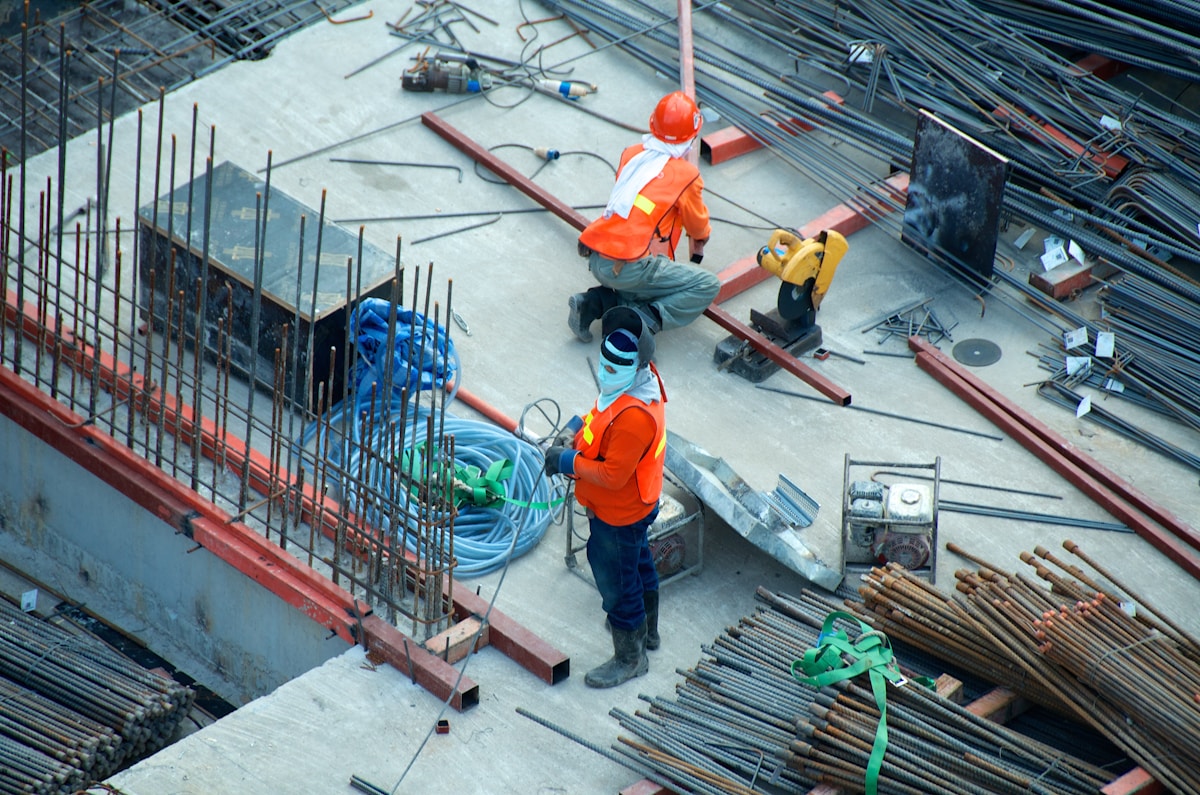
Building a home offers distinct advantages: you get exactly what you want, where you want it, designed to your specifications. But financing a home build is significantly more complex than financing the purchase of an existing home. Construction mortgages involve additional risks for lenders—the home does not yet exist as collateral, construction can face delays and cost overruns, and the project must be managed carefully to completion.
For borrowers with bad credit, these additional risks make construction financing even more challenging to obtain. However, it is not impossible. This comprehensive guide covers everything you need to know about construction mortgages in Canada, including how draws work, what inspections are required, how completion financing is arranged, and what options exist for borrowers who are rebuilding their credit.
- Construction mortgages release funds in stages (draws) tied to construction milestones, not as a single lump sum
- Most construction mortgages in Canada require a minimum down payment of 25% of the total project cost
- Progress inspections by a qualified inspector are required before each draw is released
- Upon completion, the construction mortgage is converted to a traditional mortgage (completion mortgage or take-out financing)
- Borrowers with bad credit may need to work with B-lenders or private lenders, which increases costs but does not make construction financing impossible
How Construction Mortgages Differ From Traditional Mortgages
Understanding the key differences between construction mortgages and traditional mortgages is essential before you begin the process:
| Feature | Traditional Mortgage | Construction Mortgage |
|---|---|---|
| Collateral | Existing home with known value | Partially built home with uncertain value |
| Fund disbursement | Full amount at closing | Staged draws tied to construction progress |
| Down payment | 5-20% (insured or conventional) | 25-50% of total project cost |
| Interest payments | On full mortgage amount | Only on funds drawn to date |
| Term | 1-10 years (typically 5) | 6-24 months (construction period) |
| Inspections | One appraisal at purchase | Multiple inspections during construction |
| Risk level for lender | Lower (established collateral) | Higher (collateral under construction) |
The Draw Schedule: How Construction Funds Are Released
The draw schedule is the cornerstone of a construction mortgage. It outlines when and how much money is released at each stage of construction. The number of draws varies by lender but typically ranges from four to seven stages.
Typical Draw Schedule
-
Draw 1: Land Purchase and Site Preparation (15-20% of total)
The first draw covers the land purchase (if not already owned), site clearing, excavation, and foundation preparation. Some lenders require the borrower to own the land outright before the construction mortgage begins, in which case this draw covers only site preparation and foundation work.
-
Draw 2: Foundation and Framing (20-25% of total)
This draw is released after the foundation is poured, waterproofed, and backfilled, and the structural framing (walls, floors, roof) is complete. An inspector verifies that the work meets building code requirements and the construction plans.
-
Draw 3: Lockup / Weathertight (15-20% of total)
The third draw comes when the home is “locked up” or weathertight—meaning the roof is on, exterior walls are sheathed, and windows and exterior doors are installed. At this point, the home is protected from the elements and interior work can begin.
-
Draw 4: Mechanical and Interior Rough-In (15-20% of total)
This draw covers the installation of plumbing, electrical, HVAC (heating, ventilation, and air conditioning), and insulation. These systems are roughed in—meaning the infrastructure is in place but not yet connected to fixtures or finished.
-
Draw 5: Interior Finishing (15-20% of total)
The fifth draw covers drywall, flooring, cabinetry, countertops, interior trim, painting, and fixture installation. By this stage, the home is beginning to look like a finished product.
-
Draw 6: Completion and Occupancy (5-10% of total — holdback)
The final draw—often called the holdback—is released after the home is fully complete, has passed all required inspections, and has received an occupancy permit from the municipality. The holdback protects the lender by ensuring the builder has incentive to finish all work to standard.
The Holdback: Why Your Lender Retains a Portion
Canadian construction liens legislation (which varies by province) typically requires that a percentage of each progress payment be held back to protect against liens filed by subcontractors and suppliers. In Ontario, for example, the Construction Act requires a 10 percent holdback on each draw, which is not released until the lien period expires (typically 60 days after the project is substantially complete). Your lender’s holdback may be even larger than the statutory minimum—often 10 to 15 percent of the total mortgage amount—providing additional protection against cost overruns and incomplete work.
Draw Schedule Example: $500,000 Construction Budget
| Draw | Stage | Percentage | Amount | Cumulative Drawn |
|---|---|---|---|---|
| 1 | Site prep and foundation | 15% | $75,000 | $75,000 |
| 2 | Framing and roof | 25% | $125,000 | $200,000 |
| 3 | Lockup / weathertight | 15% | $75,000 | $275,000 |
| 4 | Mechanical rough-in | 20% | $100,000 | $375,000 |
| 5 | Interior finishing | 15% | $75,000 | $450,000 |
| 6 | Completion (holdback) | 10% | $50,000 | $500,000 |
The draw schedule is where most of the tension in construction lending occurs. Builders want their money as quickly as possible to keep the project moving. Lenders want to hold back as much as possible to protect against risk. As a borrower, your job is to ensure the draw schedule is realistic and aligns with your builder’s cash flow needs. An unrealistic draw schedule can lead to construction delays if the builder runs out of operating capital between draws, which ultimately hurts the borrower.
Progress Inspections: What Lenders Look For
Before each draw is released, the lender sends a qualified inspector (or appraiser) to the construction site to verify that the work corresponding to that draw has been completed to an acceptable standard. These inspections protect both the lender and the borrower.
What the Inspector Checks
The inspector typically evaluates:
Completion of the specified stage. Has the work described in the draw schedule actually been completed? For example, if the draw is for framing, is the framing complete, including all load-bearing walls, floor joists, and roof trusses?
Quality of workmanship. Is the work done to an acceptable standard? Are there any obvious defects, safety issues, or code violations?
Adherence to the approved plans. Does the construction match the architectural plans and specifications that were submitted with the mortgage application? Material changes to the plans may require lender approval before additional draws are released.
Overall project status. Is the project on schedule? Are there any signs of problems that could affect completion, such as weather damage, material shortages, or work stoppages?
Who Pays for Inspections?
The borrower pays for progress inspections. At $300 to $500 per inspection, and with four to six inspections required, the total inspection cost is typically $1,500 to $3,000 over the course of the project. Some lenders include these costs in the construction mortgage, while others require them to be paid separately.
What Happens If an Inspection Reveals Problems?
If the inspector identifies issues—such as incomplete work, substandard quality, or deviations from the approved plans—the draw may be delayed or reduced until the issues are resolved. The lender will typically provide a report detailing the problems found and the remediation required before the draw can be released.
Do Not Rely Solely on the Lender’s Inspector
While the lender’s inspector provides a basic quality check, their primary concern is protecting the lender’s interest, not yours. Consider hiring your own independent building inspector to review the work at each stage. The additional cost is minimal compared to the cost of discovering defects after the home is complete. Your inspector can catch issues that the lender’s inspector might not prioritize.
Construction Mortgage Interest: How It Works
One of the unique aspects of construction mortgages is how interest is calculated and charged. Understanding this can help you budget accurately for the construction period.
Interest-Only Payments During Construction
During the construction phase, you typically make interest-only payments on the funds that have been drawn. You are not making principal payments because the full mortgage has not yet been advanced. As each draw is released, the balance on which you pay interest increases.
Progressive Interest Cost Example
Here is how your monthly interest payments might progress during a 12-month construction project, assuming a $500,000 construction mortgage at 6.50 percent:
| Month | Cumulative Amount Drawn | Monthly Interest Payment |
|---|---|---|
| Months 1-2 | $75,000 | $406 |
| Months 3-4 | $200,000 | $1,083 |
| Months 5-6 | $275,000 | $1,490 |
| Months 7-8 | $375,000 | $2,031 |
| Months 9-10 | $450,000 | $2,438 |
| Months 11-12 | $500,000 | $2,708 |
| Total interest during construction | $20,312 | |
This progressive interest structure means your costs are lower in the early months and increase as more funds are drawn. For borrowers who are also paying rent or a mortgage on their current home during construction, the combined housing costs can be substantial in the later months of the project.
Construction Period Interest Rate vs. Completion Rate
Some lenders offer a lower interest rate during the construction period compared to the permanent mortgage rate after completion. Others charge a premium during construction because of the higher risk. Make sure you understand both rates before committing to a lender.
The interest cost during construction is real money out of your pocket—budget for it carefully and remember that it increases as each draw brings you closer to the full mortgage amount.
Completion Financing: Converting Construction to Permanent Mortgage
Once your home is fully built and you have received an occupancy permit, the construction mortgage is converted to a permanent (or “take-out”) mortgage. This conversion is a critical step that determines your long-term borrowing costs.
How Conversion Works
There are two common approaches to the construction-to-permanent conversion:
Single-Close Construction Mortgage. With a single-close product, the construction mortgage and the permanent mortgage are arranged at the same time with the same lender. The construction phase and the permanent phase are part of a single mortgage agreement. When construction is complete, the mortgage automatically converts to the permanent terms. This approach saves money on closing costs because you only go through one closing process.
Two-Close Construction Mortgage. With a two-close product, the construction mortgage and the permanent mortgage are separate transactions. You arrange the construction financing first, and when the home is complete, you apply for a new mortgage to pay off the construction loan. This approach involves two sets of closing costs but gives you the flexibility to shop for the best permanent mortgage rate at the time of completion.
| Feature | Single-Close | Two-Close |
|---|---|---|
| Number of closings | One | Two |
| Closing costs | Lower (one set) | Higher (two sets) |
| Rate certainty | Permanent rate locked at start | Permanent rate depends on market at completion |
| Flexibility | Lower (locked into one lender) | Higher (can shop for best rate) |
| Risk | Lower (rate and terms guaranteed) | Higher (must re-qualify at completion) |
Lock In Your Permanent Rate if Rates Are Rising
If interest rates are trending upward, a single-close construction mortgage that locks in your permanent rate at the start of the project can save you significant money. Construction can take 8 to 18 months, and a lot can change in the rate environment during that time. Locking in early provides certainty and protection against rate increases.
Qualifying for Completion Financing
With a two-close approach, you must qualify for the permanent mortgage at the time of completion—not at the time the construction mortgage was arranged. This means the lender will re-assess your credit, income, and debt ratios. If your financial situation has changed during the construction period, you could face challenges qualifying for the permanent mortgage.
This is a particular risk for borrowers with bad credit who used a B-lender or private lender for the construction phase, hoping to qualify with an A-lender for the permanent mortgage. If your credit has not improved sufficiently during the construction period, you may be stuck with B-lender or private lender permanent financing at higher rates.
I always recommend that my construction clients aim for a single-close product whenever possible. The certainty of knowing your permanent rate, terms, and qualification status from the start of the project is invaluable. With a two-close approach, you are rolling the dice on your financial situation 12 to 18 months in the future. If you lose your job during construction, or if rates spike, you could be in a very difficult position when it is time to convert to permanent financing.
Building a Home With Bad Credit: Your Options
If your credit score is below 620—whether due to past late payments, a consumer proposal, bankruptcy, or high debt levels—obtaining a construction mortgage will be more challenging, but it is not impossible. Here is a realistic look at your options:
B-Lender Construction Mortgages
B-lenders such as Home Trust, Equitable Bank, and certain credit unions may offer construction mortgages to borrowers with credit scores in the 550 to 620 range. These lenders charge higher interest rates and often require larger down payments, but they provide a legitimate path to construction financing.
| Credit Score Range | Likely Lender Type | Construction Rate | Minimum Down Payment | Additional Requirements |
|---|---|---|---|---|
| 680+ | A-lender (bank) | 6.00% – 7.50% | 25% | Standard qualification |
| 620-679 | A-lender or B-lender | 7.00% – 8.50% | 25-30% | Strong income, explanation of credit issues |
| 550-619 | B-lender | 8.50% – 10.50% | 30-40% | Lender fees 1-2%, co-signer may help |
| Below 550 | Private lender | 10.00% – 14.00% | 35-50% | Lender fees 2-4%, equity-focused lending |
Private Lender Construction Mortgages
Private lenders are often the last resort for borrowers with bad credit seeking construction financing. Private construction mortgages are based primarily on the equity in the project rather than the borrower’s creditworthiness. If you have a large down payment and a solid construction plan, a private lender may be willing to finance the build.
However, private construction financing comes with substantial costs:
High interest rates. Private construction mortgage rates typically range from 10 to 14 percent, and can be even higher for borrowers with very low credit scores.
Lender fees. Private lenders charge upfront fees of 2 to 4 percent of the mortgage amount. On a $400,000 construction mortgage, that is $8,000 to $16,000 in fees alone.
Broker fees. If you use a mortgage broker to arrange the private financing (which is almost always necessary), expect to pay an additional 1 to 2 percent broker fee.
Shorter terms. Private construction mortgages often have terms of 12 to 18 months, with limited or no extension options. If construction takes longer than expected, you could face serious problems.
The Total Cost of Private Construction Financing Can Be Staggering
When you add up the higher interest rate, lender fees, broker fees, and legal costs, private construction financing can cost 15 to 25 percent more than A-lender construction financing over the life of the construction period. On a $400,000 construction mortgage, this premium could amount to $20,000 to $40,000 in additional costs. These costs need to be factored into your total project budget to determine whether building with bad credit makes financial sense.
Strategies to Improve Your Chances
Improve your credit before you start. If your construction timeline allows, spend 12 to 24 months improving your credit score before applying for construction financing. Raising your score from 560 to 650 could save you tens of thousands of dollars in interest and fees.
Save a larger down payment. A larger down payment reduces the lender’s risk and can help offset concerns about your credit score. A 35 to 40 percent down payment significantly improves your chances of approval and may result in a lower interest rate.
Use a co-signer. A co-signer with strong credit can help you qualify for better terms. The co-signer takes on legal responsibility for the mortgage, so this is a significant commitment that should be discussed thoroughly with all parties.
Hire a reputable builder. Lenders view the builder’s qualifications as part of the risk assessment. A builder with a strong track record, proper licensing, and adequate insurance reduces the project risk, which can help offset concerns about the borrower’s credit. Some lenders have approved builder lists and may offer preferential terms if you use one of their pre-approved builders.
Join 10,000+ Canadians who started their credit journey with Credit Resources.
GET STARTED NOWSelf-Build Considerations: Can You Be Your Own General Contractor?
Some Canadian homeowners want to act as their own general contractor—managing the construction project themselves rather than hiring a builder. This approach can save money on the builder’s markup (typically 15 to 25 percent of construction costs), but it presents significant challenges from a financing perspective.
Lender Attitudes Toward Self-Builds
Most A-lenders will not provide construction financing for self-builds. They require a licensed, insured general contractor to manage the project. The lender’s reasoning is sound: a professional builder is more likely to complete the project on time, on budget, and to a standard that protects the collateral value.
B-lenders and private lenders may be more willing to finance self-builds, but they will typically require:
Evidence of construction experience. You need to demonstrate that you have the knowledge and skills to manage a construction project. Previous construction experience, relevant certifications, or a background in the trades can help.
A detailed construction plan and budget. You must provide comprehensive plans, specifications, and a detailed budget that the lender can review. The budget should include contingency allowances for unexpected costs.
Licensed subtrades. Even if you are acting as your own general contractor, the lender will require that all subtrades (electrical, plumbing, HVAC, etc.) are licensed and insured professionals.
More frequent inspections. Lenders may require more frequent progress inspections for self-builds compared to projects managed by established builders.
| Factor | Professional Builder | Self-Build |
|---|---|---|
| Lender acceptance | Widely accepted | Limited to B-lenders and private lenders |
| Interest rate premium | None | 0.50% – 2.00% higher |
| Down payment | 25% typical | 30-50% may be required |
| Inspection frequency | 4-6 inspections | 6-8 inspections |
| Cost savings potential | Standard construction costs | 15-25% savings on builder markup |
| Risk level | Lower | Higher (delays, cost overruns more likely) |
I have seen many homeowners attempt to self-build and save money, only to end up spending more than if they had hired a professional from the start. Construction management is a full-time job that requires knowledge of building codes, supplier relationships, scheduling, and trade coordination. Unless you have genuine construction experience, I strongly recommend hiring a professional builder and focusing your energy on the design decisions that will make the home yours.
Budgeting for Your Construction Project
Accurate budgeting is critical for construction mortgage success. Lenders will scrutinize your budget as part of the approval process, and cost overruns can create serious problems during construction.
Major Cost Categories
| Category | Percentage of Total Budget | Example ($500K Build) |
|---|---|---|
| Land purchase | 20-35% | $100,000 – $175,000 |
| Site preparation and foundation | 8-12% | $40,000 – $60,000 |
| Framing and structural | 15-20% | $75,000 – $100,000 |
| Exterior finishing (roofing, siding, windows) | 10-15% | $50,000 – $75,000 |
| Mechanical systems (plumbing, electrical, HVAC) | 12-18% | $60,000 – $90,000 |
| Interior finishing | 15-25% | $75,000 – $125,000 |
| Landscaping and driveway | 3-5% | $15,000 – $25,000 |
| Permits and fees | 1-3% | $5,000 – $15,000 |
| Contingency (10-15% recommended) | 10-15% | $50,000 – $75,000 |
Never Skip the Contingency Budget
Cost overruns are extremely common in construction. Materials prices fluctuate, unexpected site conditions arise, and design changes add costs. A contingency budget of 10 to 15 percent of the total project cost is essential. Without it, you may run out of funds before the home is complete—a situation that can result in a half-built home, a defaulted construction mortgage, and significant financial loss. Some lenders require a minimum contingency as a condition of the construction mortgage.
Provincial Requirements and Building Permits
Each Canadian province has its own building code requirements, permit processes, and inspection schedules. These affect both the construction process and the financing.
Key Provincial Considerations
Ontario. The Ontario Building Code governs all construction. Building permits are obtained through the local municipality. The Construction Act requires holdbacks on progress payments. New home construction must be registered with the Tarion Warranty Corporation, which provides warranty protection for new home buyers.
British Columbia. BC has its own building code and requires builders to be licensed through BC Housing. The Homeowner Protection Act requires new homes to be covered by warranty insurance from an approved provider. The strata property requirements add complexity for multi-unit construction.
Alberta. Alberta follows the National Building Code of Canada with some provincial amendments. Building permits are issued by the local municipality or county. The Alberta New Home Warranty Program provides warranty coverage for new construction.
Quebec. Quebec has its own construction code and licensing requirements. The Régie du bâtiment du Québec (RBQ) regulates the construction industry and requires builders to hold an RBQ licence. The Garantie de construction résidentielle (GCR) provides mandatory warranty coverage.
Atlantic and Prairie Provinces. These provinces generally follow the National Building Code with local amendments. Permit and inspection requirements vary by municipality. New home warranty programs are available but may not be mandatory in all provinces.
New Home Warranty Programs Protect Your Investment
Most Canadian provinces require new home construction to be covered by a warranty program. These programs protect you against defects in materials and workmanship, structural issues, and builder insolvency. The cost of warranty coverage is typically borne by the builder and included in the construction price. If you are self-building, you will need to arrange warranty coverage yourself, which can be more difficult and expensive. Check the requirements in your province before starting construction.
Common Pitfalls in Construction Mortgages
Construction financing involves unique risks that do not exist with traditional mortgages. Being aware of these pitfalls can help you avoid them:
Cost Overruns
The most common problem in construction projects is exceeding the budget. This can happen due to material price increases, design changes, unexpected site conditions (such as rock or poor soil), or simply underestimating costs. If the construction costs exceed the mortgage amount, you will need to fund the difference out of pocket—and if you do not have the funds, the project may stall.
Construction Delays
Delays are almost inevitable in construction. Weather, material shortages, subcontractor availability, permit delays, and inspection issues can all push the project timeline back. If the construction takes longer than the mortgage term, you may need to extend the construction mortgage (which involves additional fees) or arrange interim financing to bridge the gap.
Builder Disputes or Insolvency
If your builder goes bankrupt during construction, you are left with a partially built home and a construction mortgage. The lender will not release additional draws to a new builder without a thorough review of the project status, and finding a new builder to take over a partially completed project can be expensive and time-consuming.
Lien Claims
If the builder does not pay subcontractors or suppliers, they may file construction liens against your property. These liens can complicate or prevent the release of subsequent draws and can delay or prevent the conversion to permanent financing. The holdback provision in your mortgage is designed to protect against this, but it may not cover all claims.
Building a home is one of the most rewarding experiences a homeowner can have—but it requires careful financial planning, realistic budgeting, and the right construction mortgage to bring your vision to life.
Choosing the Right Builder for Your Construction Mortgage
Your choice of builder affects not only the quality of your home but also your ability to secure construction financing on favourable terms.
What Lenders Look For in a Builder
Licensing and registration. The builder should hold all required licences and be registered with any applicable provincial bodies (such as Tarion in Ontario or BC Housing in British Columbia).
Insurance. The builder should carry adequate liability insurance and builder’s risk insurance. Ask for certificates of insurance and verify they are current.
Track record. A builder with a history of completing projects on time and on budget is viewed more favourably by lenders. Ask for references and visit completed projects if possible.
Financial stability. The builder’s financial health matters because a builder in financial distress may cut corners, delay the project, or go bankrupt mid-construction. Some lenders conduct their own due diligence on the builder’s financial position.
Warranty coverage. The builder should be enrolled in the applicable new home warranty program for your province.
The builder you choose is arguably the most important decision in the entire construction process. A great builder can navigate challenges, manage costs, and deliver a quality home. A poor builder can turn your dream into a nightmare. I advise all my clients to interview at least three builders, check references thoroughly, visit their completed projects, and review their contract terms carefully before making a decision. The cheapest bid is rarely the best choice.
Builder Questions to Ask Before Signing
| Question | Why It Matters |
|---|---|
| How many homes have you built? | Experience reduces risk of errors and delays |
| Can I see your licence and insurance certificates? | Confirms legal compliance and risk coverage |
| What is your typical timeline for a build like mine? | Helps align expectations with mortgage term |
| How do you handle cost overruns? | Reveals whether the contract protects you or the builder |
| Can you provide three recent references? | First-hand feedback from previous clients |
| Are you enrolled in the provincial warranty program? | Ensures your home is covered by warranty |
| What is your payment schedule? | Must align with the lender’s draw schedule |
Construction Mortgage Application Checklist
Applying for a construction mortgage requires significantly more documentation than a traditional mortgage application. Here is a comprehensive checklist of what most lenders require:
Personal financial documents:
- Completed mortgage application
- Government-issued identification
- Proof of income (pay stubs, T4s, Notice of Assessment, employment letter)
- Self-employment documents if applicable (financial statements, business tax returns)
- Proof of down payment and its source
- Current bank statements (60-90 days)
- List of assets and liabilities
Property and construction documents:
- Proof of land ownership (or purchase agreement for the land)
- Architectural plans and specifications
- Detailed construction budget
- Building permit (or confirmation that it has been applied for)
- Builder’s contract
- Builder’s licence, insurance certificates, and warranty registration
- Survey and site plan
- Environmental assessment (if required by the municipality)
- Geotechnical report (if required due to soil conditions)
Organize Your Documentation Early
Construction mortgage applications take longer to process than traditional mortgage applications because of the additional documentation and review required. Start gathering your documents as early as possible—ideally two to three months before you plan to break ground. Missing or incomplete documentation is one of the most common causes of delays in construction mortgage approvals.
Frequently Asked Questions About Construction Mortgages in Canada
It is possible but difficult. A-lenders typically require a credit score of 680 or higher for construction mortgages. B-lenders may work with scores in the 550 to 620 range, and private lenders focus more on equity than credit score. Expect to pay higher interest rates and fees with lower credit scores, and be prepared for a larger down payment requirement—often 35 to 50 percent.
Most A-lenders require a minimum down payment of 25 percent of the total project cost (land plus construction). B-lenders may require 30 to 40 percent, and private lenders may require 35 to 50 percent. Construction mortgages are not eligible for CMHC insurance, so the 5 percent minimum down payment that applies to insured mortgages does not apply.
Yes, in many cases. If you already own the land on which you plan to build, the land’s value can count toward your down payment. For example, if you own land worth $150,000 and the total project cost is $500,000, the land represents a 30 percent equity contribution. The lender will require an appraisal of the land to confirm its value.
If costs exceed the budget, you are responsible for funding the difference. The lender will not increase the construction mortgage beyond the approved amount without a formal amendment, which may require additional qualification. This is why a contingency budget of 10 to 15 percent is essential. Without adequate contingency, a cost overrun can stall the project.
Generally, no. Most municipalities do not permit occupancy of a home until it has received an occupancy permit, which is only issued after final inspections confirm the home meets all building code requirements. Living in a partially built home is both illegal and dangerous. You will need alternative housing during the construction period.
The typical timeline for a custom home build is 8 to 18 months, depending on the size and complexity of the home, the location, weather conditions, and builder availability. Homes built in northern regions may take longer due to shorter construction seasons. Your construction mortgage term should accommodate the expected build timeline plus a buffer for delays.
Yes, but changes (known as “change orders”) can affect both the budget and the timeline. Significant changes may also require lender approval, particularly if they alter the scope or cost of the project. Change orders are one of the most common causes of cost overruns and delays. Try to finalize your design as completely as possible before construction begins.
Final Thoughts: Building Your Dream Home, Even With Credit Challenges
Building a home is one of the most ambitious and rewarding projects a Canadian homeowner can undertake. A construction mortgage makes it financially possible by providing staged funding that matches the pace of construction. While the process is more complex than buying an existing home, the result is a home built exactly to your specifications.
For borrowers with bad credit, the path is steeper but not impassable. B-lenders and private lenders provide construction financing options for those who cannot qualify with traditional banks, though at higher costs. The key is to approach the process with realistic expectations: understand the additional costs, save a larger down payment, hire a reputable builder, and work diligently to improve your credit so you can access better terms when the construction mortgage converts to permanent financing.
Whatever your credit situation, thorough preparation is the foundation of a successful construction project. Get your finances in order, assemble a strong team of professionals (builder, mortgage broker, lawyer, and inspector), create a detailed and realistic budget, and plan for contingencies. With the right preparation, you can turn your vision of a custom-built home into reality.
Join 10,000+ Canadians who started their credit journey with Credit Resources.
GET STARTED NOWRelated Canadian Credit Guides
- Pre-Construction Condo Buying in Canada: Risks and Financing
- Zoning Changes and Property Value in Canada: Impact on Homeowners
- Foreclosure in Canada: Process, Timeline & How to Avoid It
- Cottage and Recreational Property Mortgages in Canada
- Manufactured Home Communities in Canada: Pad Rent and Financing

Start Understanding Your Credit Today
Join 10,000+ Canadians who took control of their financial future.
GET STARTED NOW