
Cottage and Recreational Property Mortgages in Canada
Buying a Cottage in Canada: What You Need to Know About Financing
The dream of owning a cottage or recreational property is deeply ingrained in Canadian culture. Whether it’s a lakeside cabin in Ontario’s Muskoka region, a ski chalet in British Columbia’s interior, a seaside retreat in the Maritimes, or a peaceful woodland getaway on the Prairies, recreational properties represent the quintessential Canadian escape. But financing a cottage or recreational property is significantly different from financing your primary residence, and understanding these differences is essential before you start shopping for your piece of paradise.
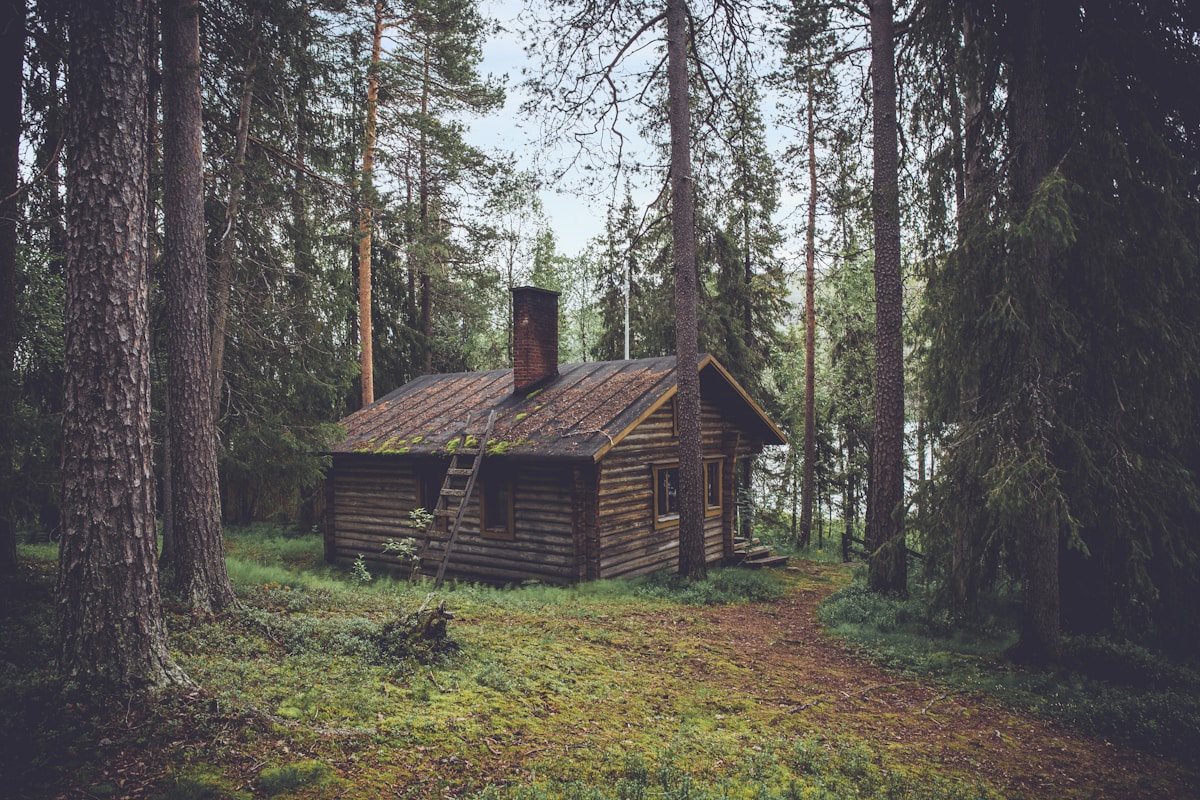
Recreational property mortgages involve unique rules around down payments, qualifying criteria, property condition, and seasonal access. For Canadians with credit challenges, the path to cottage ownership requires even more careful planning. This comprehensive guide covers everything from the basic requirements for recreational property financing to strategies for navigating B-lender options and leveraging rental income to qualify.
- Most lenders require a minimum 10-20% down payment for recreational properties, compared to 5% for primary residences
- Seasonal access properties (no year-round road access) face the most restrictive financing requirements
- Many lenders require recreational properties to be winterized (year-round habitable) for standard mortgage financing
- Rental income from the property may be used to help qualify, but lenders typically only count 50-80% of expected rental revenue
- B-lenders and alternative lenders provide options for credit-challenged borrowers, though at higher rates
How Recreational Property Mortgages Differ from Primary Residence Mortgages
Financing a recreational property involves several key differences from financing your primary home. Understanding these distinctions upfront helps you prepare financially and set realistic expectations.
| Feature | Primary Residence | Recreational Property |
|---|---|---|
| Minimum Down Payment | 5% (with CMHC insurance) | 10-20% (varies by lender and property) |
| Mortgage Insurance (CMHC) | Available for down payments under 20% | Limited availability; many properties don’t qualify |
| Maximum Amortization | 25-30 years | 25 years (some lenders limit to 20) |
| Interest Rates | Best available rates | Often 0.10% – 0.50% higher than primary residence rates |
| Property Requirements | Standard appraisal and inspection | Year-round access, winterization, and condition requirements may apply |
| Income Qualification | Standard GDS/TDS ratios | Must qualify carrying costs of both primary home and recreational property |
| Stress Test | Yes | Yes (applied to combined debt obligations) |
| Lender Availability | Virtually all lenders | Many lenders; some restrictions based on property type/location |
The Dual-Property Challenge
One of the most significant differences is that when you buy a recreational property, you typically need to qualify while carrying the costs of your primary residence as well. Your lender will calculate your debt service ratios including your existing mortgage payment (or rent), property taxes, and heating costs for your primary home, plus the new mortgage payment, property taxes, and other costs for the recreational property. This dual burden significantly reduces how much you can borrow for a cottage compared to what you might qualify for if the recreational property were your only property.
When a Cottage Becomes Your Primary Residence
If you plan to make the recreational property your primary (and only) residence — perhaps in retirement — the financing picture changes significantly. Without the burden of a second property’s costs, you can typically qualify for a larger mortgage at better rates. You may also qualify for primary residence mortgage insurance (allowing as little as 5% down) if the property meets the insurer’s requirements for year-round habitability and access. However, you’ll need to demonstrate that the property will truly be your primary residence, not just a seasonal retreat.
Down Payment Requirements for Recreational Properties
Down payment requirements are typically the first major difference cottage buyers encounter. While primary residences can be purchased with as little as 5% down (with mortgage insurance), recreational properties usually require significantly more.
Typical Down Payment Requirements
| Property Type | Minimum Down Payment | Notes |
|---|---|---|
| Year-round accessible, winterized cottage | 10-15% | May qualify for CMHC insurance at some lenders |
| Seasonal cottage (3-season) | 15-20% | CMHC insurance rarely available |
| Seasonal property with no year-round road access | 20-35% | Limited lender options; higher rates typical |
| Water-access-only property | 25-50% | Very few lenders; may require private or specialty financing |
| Island property | 25-50% | Extremely limited lender options |
| Vacant recreational land | 25-50% | Few lenders; often treated as raw land rather than residential |
Why Are Down Payments Higher?
Lenders require larger down payments on recreational properties for several reasons:
Higher Risk of Default: If a borrower faces financial difficulties, they’re more likely to default on a recreational property mortgage before their primary residence mortgage. The cottage is a luxury; the primary home is a necessity.
Resale Challenges: Recreational properties can be harder to sell than urban homes, particularly in economic downturns. The buyer pool is smaller, and seasonal access issues can limit when the property can be shown and closed.
Valuation Volatility: Recreational property values can be more volatile than urban residential values. They’re more sensitive to economic cycles, seasonal demand, environmental factors (water levels, fire risk), and changes in tourism patterns.
Property Condition Risk: Seasonal properties may be unoccupied for months, increasing the risk of undetected damage from water, pests, or weather events. This creates risk for the lender’s collateral.
The down payment is usually the biggest hurdle for cottage buyers. I advise clients to start saving well in advance and to be realistic about what they can afford. Many people look at the purchase price of a cottage and forget that they also need to factor in the larger down payment, closing costs, and the ongoing costs of maintaining two properties. A budget of $400,000 for a cottage means you need $40,000 to $80,000 for the down payment alone, plus another $10,000 to $15,000 for closing costs, inspections, and immediate maintenance needs.
Winterization Requirements: Why They Matter for Financing
One of the most important — and often surprising — requirements for recreational property financing is winterization. Many lenders require the property to be habitable year-round, even if you only plan to use it during the summer.
What “Winterized” Means to a Lender
When a lender requires a property to be “winterized,” they typically mean:
-
Year-Round Heating System
The property must have a permanent, adequate heating system that can maintain the interior above freezing throughout the winter. This could be a furnace, baseboard heaters, a heat pump, or a wood stove (though some lenders may not accept a wood stove as the sole heat source). Space heaters and portable heaters don’t qualify.
-
Insulation
The property must be insulated to a standard that allows the heating system to maintain livable temperatures efficiently. This includes wall insulation, ceiling/attic insulation, and foundation insulation. Single-wall construction without insulation doesn’t meet this requirement.
-
Year-Round Water Supply
The property must have a year-round water supply — typically a drilled well or municipal water connection. Seasonal water systems that need to be shut down and drained in winter may not meet lender requirements.
-
Year-Round Septic or Sewer
A properly functioning septic system or municipal sewer connection that operates year-round is required. Outhouses, composting toilets, or seasonal grey water systems may not satisfy lender requirements.
-
Permanent Foundation
The property should be on a permanent foundation — concrete slab, blocks, piers, or full basement. Properties on temporary supports or sitting directly on the ground may face financing challenges.
The Three-Season Cottage Problem
Many of Canada’s most charming and affordable cottages are three-season properties — lovely in spring, summer, and fall but not designed for winter habitation. These properties often lack insulation, have seasonal water systems, and don’t have permanent heating. While they can be wonderful recreational retreats, financing them is significantly more challenging because most A-lenders require year-round habitability. If you’re looking at a three-season cottage, be prepared for higher down payment requirements, potentially higher interest rates, and a more limited selection of lenders. Alternatively, budget for winterization upgrades that could open up better financing options.
Winterization Costs
If you’re considering purchasing a three-season cottage and upgrading it to year-round use, here are typical winterization costs:
| Upgrade | Estimated Cost | Notes |
|---|---|---|
| Insulation (walls, ceiling, foundation) | $10,000 – $30,000 | Depends on size and existing construction |
| Heating System Installation | $5,000 – $15,000 | Propane furnace, electric baseboard, or heat pump |
| Year-Round Plumbing Upgrade | $3,000 – $10,000 | Frost-proof pipes, heated water lines |
| Window Replacement (double/triple pane) | $5,000 – $20,000 | Depends on number and size of windows |
| Septic System Upgrade | $10,000 – $30,000 | If existing system doesn’t support year-round use |
| Well Upgrade or Drilling | $5,000 – $15,000 | If existing water supply is seasonal |
| Total Winterization | $38,000 – $120,000 | Varies significantly by property |
Winterizing a three-season cottage is an investment that not only improves financing options but also extends the usability of your property, potentially increases its resale value, and opens up rental income opportunities during the ski and snowmobile season.
Seasonal Property Rules and Access Requirements
Beyond winterization, lenders have specific requirements regarding property access that significantly affect recreational property financing.
Year-Round Road Access
Most A-lenders require year-round road access to the property. This means:
- A maintained road (municipal or provincial) that is plowed and accessible in winter
- The road must be passable by a standard vehicle (not just an ATV or snowmobile)
- The road surface should be reasonably maintained (paved, gravel, or packed dirt)
Properties on seasonal roads (roads that are not maintained in winter) face more restrictive financing requirements. Some lenders will finance these properties but require larger down payments and may charge higher rates.
Water-Access-Only Properties
Properties that can only be reached by boat have the most limited financing options. These properties present significant challenges for lenders:
- Difficulty conducting property inspections and appraisals
- Higher insurance costs and potential coverage limitations
- Difficulty enforcing the mortgage (accessing the property in case of default)
- Limited buyer pool for resale
- Seasonal access limitations (winter freeze-up, spring breakup)
Island Properties
Island properties represent the most extreme access challenge. In addition to all the concerns with water-access properties, island properties raise additional issues around:
- Emergency services access (fire, medical, police)
- Utility connections (many are off-grid)
- Environmental regulations specific to islands
- Crown land and water lot considerations
Financing for island properties is extremely limited. Most require 25-50% down payments and may only be available through private lenders or specialty recreational property lenders.
I specialize in cottage country properties, and the access question is always the first thing I discuss with clients. Year-round road access opens up the most financing options and the best rates. Seasonal road access narrows the field but still has options. Water-access-only properties are the most challenging — I usually recommend clients plan for at least 25% down and be prepared to work with a B-lender or specialty lender. The good news is that these properties are often significantly less expensive, so the larger down payment percentage may still be a manageable dollar amount.
Qualifying for a Recreational Property Mortgage
Qualifying for a recreational property mortgage requires meeting both standard mortgage qualification criteria and additional requirements specific to second properties.
Income Requirements
When qualifying for a recreational property, lenders assess your ability to carry the costs of both your primary residence and the recreational property. The key ratios are:
Gross Debt Service (GDS) Ratio: The total of your primary residence housing costs (mortgage, taxes, heating) plus your recreational property housing costs (mortgage, taxes, heating, condo fees if applicable), divided by your gross income. This should not exceed 39%.
Total Debt Service (TDS) Ratio: Your GDS plus all other debt obligations (car loans, credit cards, student loans, lines of credit), divided by your gross income. This should not exceed 44%.
Important: Remember that the mortgage stress test applies. Both your primary residence mortgage and your recreational property mortgage payments are calculated at the qualifying rate (your contracted rate plus 2% or the benchmark rate, whichever is higher) for stress test purposes.
Practical Qualification Example
Let’s walk through a real-world qualification scenario:
| Factor | Amount |
|---|---|
| Household Gross Income | $130,000/year ($10,833/month) |
| Primary Residence Mortgage Payment (at qualifying rate) | $2,200/month |
| Primary Residence Property Tax | $350/month |
| Primary Residence Heating | $175/month |
| Recreational Property Mortgage Payment (at qualifying rate) | $1,400/month |
| Recreational Property Property Tax | $200/month |
| Recreational Property Heating | $100/month |
| Total GDS | $4,425/month |
| GDS Ratio | 40.8% (exceeds 39% limit) |
In this example, the borrower doesn’t qualify because the combined housing costs for both properties push the GDS ratio above 39%. The borrower would need to either increase their income, reduce one of the mortgages (perhaps with a larger down payment), or find a lender with more flexible GDS limits.
Reducing Your GDS for Cottage Qualification
If your GDS ratio is too high to qualify for a recreational property mortgage, consider these strategies: pay down your primary residence mortgage before applying (lower payments = lower GDS); save for a larger cottage down payment (smaller mortgage = lower payments); look for a less expensive recreational property; or consider a less expensive area where property taxes are lower. Even small reductions in monthly obligations can push your GDS below the 39% threshold.
Using Rental Income to Qualify
One of the most popular strategies for qualifying for a recreational property mortgage is leveraging rental income. Many cottage owners rent their properties when they’re not using them, and some lenders will count a portion of this income toward mortgage qualification.
How Lenders Treat Rental Income
Lenders don’t simply add your projected rental income to your total income. Instead, they apply several adjustments:
-
Establish Rental Income Potential
You’ll need to provide evidence of rental income potential. This could include comparable rental rates in the area, bookings from platforms like Airbnb or VRBO, or a formal rental appraisal. Historical rental income (if the property was previously rented) is the strongest evidence.
-
Apply the Rental Income Offset
Most lenders apply a “rental offset” — they count only a percentage of the gross rental income (typically 50-80%) to account for vacancy, expenses, and the seasonal nature of cottage rentals. If the property could generate $30,000 per year in gross rental income, the lender might include $15,000 to $24,000 as qualifying income.
-
Factor in Rental Expenses
Some lenders deduct estimated operating expenses (property management fees, maintenance, cleaning, utilities, advertising) before applying the rental offset. This further reduces the amount of rental income that counts toward qualification.
-
Recalculate Debt Service Ratios
The approved portion of rental income is added to your household income, which can significantly improve your GDS and TDS ratios and potentially push you above the qualification threshold.
Short-Term Rental Considerations
The rise of short-term rental platforms has created new opportunities — and new regulatory challenges — for cottage owners:
Municipal Regulations: Many municipalities in cottage country have implemented short-term rental bylaws that may require licences, limit the number of rental nights per year, or impose other restrictions. Ensure your rental income projections comply with local regulations.
Provincial Tax Obligations: Short-term rental income is subject to income tax, and in most provinces, rental stays of less than 30 days require GST/HST collection. You may need to register for a GST/HST number.
Insurance Implications: Standard cottage insurance may not cover short-term rental activity. You may need additional coverage or a commercial rental policy, which increases costs.
Lender Attitudes: Some lenders view short-term rental income more favourably than others. Airbnb-type income is sometimes treated differently than traditional long-term rental income in mortgage qualification. Discuss this with your mortgage broker to find lenders that are most accommodating.
B-Lender and Alternative Financing Options
For Canadians with credit challenges, B-lenders and alternative financing options provide pathways to cottage ownership that may not be available through major banks.
B-Lender Recreational Property Programs
B-lenders (alternative mortgage lenders) serve borrowers who don’t meet A-lender criteria, whether due to credit issues, non-traditional income, or property characteristics that A-lenders won’t accept. For recreational properties, B-lenders may offer:
| Feature | A-Lender | B-Lender |
|---|---|---|
| Minimum Credit Score | 650-680 | 500-600 |
| Down Payment | 10-20% | 15-30% |
| Interest Rate | 4.5% – 6.0% | 6.0% – 10.0% |
| Lender Fees | None or minimal | 1% – 3% of mortgage amount |
| Property Requirements | Winterized, year-round access, good condition | More flexible on condition and access |
| Income Documentation | Full documentation required | May accept stated income or alternative documentation |
| Mortgage Term | 1-5 years (typically 5-year fixed) | 1-3 years (shorter terms common) |
Private Lender Options
Private lenders — individuals or companies that lend outside the regulated banking system — provide the most flexible financing but at the highest cost. For recreational properties, private lending characteristics include:
- No minimum credit score (lending decisions based primarily on property equity)
- Down payments of 25-50% typically required
- Interest rates of 8-15% or higher
- Lender fees of 2-5% of the mortgage amount
- Short terms (typically 1-2 years)
- May finance properties that no institutional lender will touch (remote, water-access-only, poor condition)
Private Lending as a Bridge Strategy
Private lending should generally be viewed as a temporary solution, not a long-term financing strategy. The high costs make private lending unsustainable over many years. The ideal approach is to use private financing to purchase the property, then spend 1-2 years improving your credit and/or the property to the point where you can refinance with a B-lender or A-lender at much better terms. Have an exit strategy before you enter a private mortgage.
Vendor Take-Back Mortgages
A vendor take-back (VTB) mortgage is when the property seller provides financing directly to the buyer. This arrangement can be particularly useful for recreational properties because:
- The seller knows the property and its value, reducing appraisal concerns
- VTBs can be more flexible on credit requirements
- They can fill the gap between a buyer’s available financing and the purchase price
- Terms are negotiable between buyer and seller
However, VTBs are relatively rare and depend on finding a willing seller who doesn’t need all the proceeds immediately. They also add complexity to the transaction and should be structured with legal assistance.
For clients with credit challenges who want to buy a cottage, I often recommend a two-step approach. First, secure financing through a B-lender or private lender — yes, the rates are higher, but you get the property. Then, spend the next 12-24 months aggressively rebuilding your credit while enjoying your cottage. When the mortgage comes up for renewal, your improved credit profile lets you move to a better lender at a significantly lower rate. The key is having a concrete plan to improve your credit during that initial mortgage term.
Insurance for Recreational Properties
Insurance is both a financing requirement and a critical protection for your recreational property investment. Cottage and recreational property insurance has unique characteristics that differ from standard home insurance.
Types of Recreational Property Insurance
Seasonal Dwelling Insurance: Designed for properties used only part of the year. Premiums are typically lower than year-round coverage, but coverage may have seasonal limitations.
Year-Round Cottage Insurance: For winterized properties used throughout the year. Coverage is similar to standard home insurance but may include cottage-specific provisions.
Vacant Property Insurance: If the property will be vacant for extended periods (more than 30-60 consecutive days in many policies), standard insurance may not cover losses during vacant periods. Vacant property endorsements or separate vacant property insurance may be needed.
Key Insurance Considerations for Cottages
| Consideration | Details | Impact |
|---|---|---|
| Water Damage | Frozen pipes, flooding, water intrusion | Most common cottage claim; some policies exclude or limit water damage coverage |
| Fire Protection | Distance from fire station/hydrant | Remote properties face higher premiums due to limited fire response |
| Wildfire Risk | Proximity to forests and fire zones | Increasing concern; some insurers limiting coverage in high-risk areas |
| Rental Activity | Short-term or long-term rental use | Must be disclosed; may require additional coverage or different policy |
| Watercraft/Dock | Boats, docks, and waterfront structures | May require separate riders or policies |
| Liability | Guest injuries, waterfront liability | Higher liability limits recommended for recreational properties |
| Replacement Cost | Rebuilding in remote locations | Construction costs may be higher in remote areas; ensure adequate coverage |
Winter Check-In Requirements
Many cottage insurance policies require regular “check-ins” during the winter months when the property is unoccupied. This typically means someone must physically visit the property every 3-7 days during the heating season to ensure the heating system is working and no damage has occurred. If you can’t meet this requirement yourself, you may need to hire a property management company or arrange for a neighbour to check on your cottage. Failure to meet check-in requirements can void your insurance coverage for water and heating-related damage.
Provincial Considerations for Recreational Property Buyers
Each Canadian province has its own regulatory framework, tax implications, and market characteristics for recreational properties.
Ontario
Ontario is Canada’s largest recreational property market, anchored by iconic cottage regions like Muskoka, the Kawarthas, Prince Edward County, Haliburton Highlands, and Georgian Bay.
Key considerations: Ontario’s Land Transfer Tax applies to cottage purchases. Non-resident speculation tax may apply in some areas. Municipal regulations around short-term rentals vary widely between municipalities. Many Ontario cottage lakes have development restrictions that can affect property modifications.
British Columbia
BC offers diverse recreational property options, from oceanfront retreats on Vancouver Island to ski chalets in the Okanagan and Kootenays.
Key considerations: BC’s Property Transfer Tax applies to all purchases. The Speculation and Vacancy Tax may apply in certain areas. Agricultural Land Reserve restrictions can limit property use in some regions. Indigenous land considerations may affect certain properties.
Quebec
Quebec’s Laurentians, Eastern Townships, and Charlevoix regions offer popular cottage destinations with generally lower prices than Ontario or BC.
Key considerations: Quebec’s welcome tax (droits de mutation) applies to purchases. Quebec’s Civil Code governs property transactions differently than common law provinces. French language requirements may affect documentation. Some cottage areas are in controlled development zones with specific regulations.
Atlantic Provinces
The Atlantic provinces offer some of Canada’s most affordable recreational properties, from seaside retreats in Nova Scotia and PEI to lakefront cabins in New Brunswick and Newfoundland.
Key considerations: Generally lower property prices but potentially limited year-round access in some areas. Land transfer taxes vary by province. Some properties may be on Crown land leases rather than freehold ownership. Coastal properties may face additional environmental and insurance considerations.
Prairie Provinces
Manitoba and Saskatchewan have popular lake areas (Lake Manitoba, Lake of the Prairies, various Saskatchewan lakes) with generally affordable cottage options.
Key considerations: Some popular cottage areas are on Crown land leases (particularly in Manitoba). Lease arrangements affect financing options — leased land may not qualify for standard mortgages. Saskatchewan has no land transfer tax on recreational properties.
Northern Canada
Recreational properties in the territories (Yukon, NWT, Nunavut) face unique challenges including extreme weather, limited road access, and minimal services. Financing options are very limited, and most purchases are cash or private-financed.
The Cottage Buying Process: Step by Step
-
Assess Your Financial Readiness
Before you start looking at properties, evaluate your complete financial picture. Can you handle the costs of two properties? Do you have enough for the required down payment plus closing costs? What does your credit look like? Getting a pre-approval from a lender who finances recreational properties is the best way to understand your buying power.
-
Define Your Search Criteria
Consider: how far from your primary residence? Year-round or seasonal use? Lake, ocean, or mountain? Road access or water access? Size and amenities needed? Setting clear criteria helps focus your search and ensures the property you find is one that can be financed.
-
Find a Real Estate Agent Who Specializes in Recreational Properties
Cottage country real estate is different from urban real estate. An agent who specializes in recreational properties understands local zoning, water access issues, septic and well considerations, seasonal road maintenance, and other factors that affect both livability and financing.
-
Conduct Thorough Due Diligence
Beyond a standard home inspection, cottage due diligence should include: water quality testing (well or lake water), septic system inspection, shore road allowance verification, zoning compliance check, environmental assessment for waterfront properties, and verification of building permits for any structures or renovations.
-
Secure Financing
Work with a mortgage broker experienced in recreational property financing. They can identify lenders who work in your target area, meet your credit profile, and offer competitive terms. Ensure your financing is confirmed before removing conditions from your purchase offer.
-
Close the Purchase
Your lawyer will handle the legal aspects of closing, including title search, title insurance, registration of the mortgage, and transfer of ownership. For recreational properties, ensure your lawyer checks for any easements, rights-of-way, or restrictions that could affect your use of the property.
-
Set Up Insurance and Property Management
Before closing (or immediately after), arrange appropriate insurance coverage and, if the property will be vacant for periods, a property management or check-in arrangement. Your lender will require proof of insurance before finalizing the mortgage.
The True Cost of Cottage Ownership
The purchase price and mortgage payment are just the beginning of cottage ownership costs. Understanding the full financial picture helps you make informed decisions and avoid financial stress.
| Cost Category | Estimated Annual Cost | Notes |
|---|---|---|
| Mortgage Payments | Varies by mortgage size and rate | The largest cost for most owners |
| Property Taxes | $2,000 – $8,000+ | Varies widely by municipality and property value |
| Insurance | $1,500 – $4,000+ | Higher for remote, waterfront, or older properties |
| Utilities (electricity, propane, etc.) | $2,000 – $5,000 | Higher if heating year-round |
| Maintenance and Repairs | $3,000 – $10,000 | Cottages require significant ongoing maintenance |
| Septic Pump-Out | $300 – $600 | Typically every 2-3 years; budget annually |
| Dock/Shoreline Maintenance | $500 – $2,000 | Dock installation/removal, shoreline upkeep |
| Snow Removal / Landscaping | $1,000 – $3,000 | If property is winterized; contract services |
| Travel Costs | $1,500 – $5,000 | Gas, tolls, wear on vehicle |
| Total Annual Cost (excluding mortgage) | $12,000 – $38,000+ | Plus mortgage payments |
The happiest cottage owners are those who understood the true cost before they bought. Cottage ownership is a lifestyle choice, not just a financial investment — budget accordingly and you’ll enjoy your retreat without financial anxiety.
Cottage Ownership with Bad Credit: Making It Work
For Canadians with credit challenges, cottage ownership is still achievable with the right approach. Here’s how to make it work:
The Credit-Building Approach
If your credit isn’t ready for cottage financing, develop a 12-24 month plan:
Month 1-3: Pull your credit reports from Equifax and TransUnion. Dispute any errors. Set up automatic payments for all bills. Begin reducing credit card balances below 30% utilization.
Month 4-8: Continue building positive payment history. If you don’t have a credit card, consider a secured card to begin establishing positive history. Start saving for a larger down payment — the more you save, the more flexible lenders will be on credit requirements.
Month 9-12: Your credit score should be showing improvement. Start conversations with mortgage brokers about recreational property financing. Get a clear picture of what score and down payment you’ll need.
Month 13-24: Continue building credit and saving. Begin property shopping so you understand the market. When your credit reaches the necessary threshold, get pre-approved and start making offers.
Join 10,000+ Canadians who started their credit journey with Credit Resources.
GET STARTED NOWAlternative Ownership Structures
If individual cottage ownership isn’t feasible right now, consider these alternatives:
Co-Ownership: Buying a cottage with family members or friends spreads the financial burden. Each co-owner contributes to the down payment, mortgage payments, and maintenance costs. A co-ownership agreement (prepared by a lawyer) should outline each owner’s rights, responsibilities, usage schedules, and exit provisions.
Fractional Ownership: Some recreational developments offer fractional ownership, where you buy a share (typically 1/4 to 1/12) of a property and have guaranteed usage time. The financial commitment is smaller, and management is often handled by the development company.
Cottage Rental Programs: Some organizations offer long-term cottage rental programs that allow you to enjoy cottage life without the financial commitment of ownership. While you don’t build equity, you also don’t bear the risks and responsibilities of ownership.
Tax Considerations for Recreational Property Owners
Recreational property ownership has several important tax implications that should be factored into your financial planning.
Capital Gains on Sale
Your primary residence is exempt from capital gains tax under the principal residence exemption. However, a recreational property that is not your principal residence will be subject to capital gains tax when sold. You’ll owe tax on 50% of the capital gain (the difference between your purchase price, plus eligible expenses, and the selling price) at your marginal tax rate. For a property that has appreciated significantly over decades, this can be a substantial tax bill.
The Principal Residence Designation
In some cases, it may make sense to designate your recreational property as your principal residence for certain years (you can only designate one property per family unit per year). This strategy can be complex and is best discussed with a tax professional, particularly if both your primary home and cottage have appreciated significantly.
Rental Income Tax
If you rent your cottage, the rental income is taxable. However, you can deduct related expenses including a portion of mortgage interest, property taxes, insurance, maintenance, utilities, property management fees, and depreciation. Keep detailed records of all income and expenses.
GST/HST on Short-Term Rentals
If you rent your cottage for periods of less than 30 days, you may need to collect and remit GST/HST. The threshold for mandatory registration is $30,000 in annual revenue, but voluntary registration may be beneficial if your rental expenses generate significant input tax credits.
The tax implications of cottage ownership are often underestimated. I’ve seen families face unexpected six-figure capital gains tax bills when selling a cottage that has been in the family for decades. Planning ahead — understanding the principal residence designation rules, keeping proper records, and potentially using estate planning strategies — can save enormous amounts in taxes. Consult a tax professional when you buy the property, not just when you sell it.
Frequently Asked Questions About Cottage and Recreational Property Mortgages
The minimum down payment for a recreational property varies by lender and property type. Year-round accessible, winterized cottages may qualify with 10-15% down at some lenders. Three-season or seasonal-access properties typically require 15-20%. Water-access-only or island properties may require 25-50%. The specific amount depends on the lender, property characteristics, and your credit profile. Working with a mortgage broker who specializes in recreational properties can help you find the best options.
Yes, but your options are more limited. Most A-lenders prefer winterized, year-round habitable properties. For three-season cottages, you’ll likely need to work with a B-lender or credit union that specifically finances seasonal properties. Expect higher down payment requirements (15-20% or more) and potentially higher interest rates. Some borrowers purchase a three-season cottage with available financing and then winterize it over time to qualify for better financing at renewal.
Many lenders will count a portion of projected or actual rental income toward your mortgage qualification. Typically, lenders use 50-80% of gross rental income as an offset against property expenses. You’ll need to provide evidence of rental income potential, such as comparable rental rates, booking history, or a rental appraisal. Not all lenders treat rental income the same way, so work with a broker to find lenders most favorable to your situation.
Yes. The stress test applies to all mortgages at federally regulated lenders, including recreational property mortgages. Both your primary residence and cottage mortgage payments are calculated at the qualifying rate for stress test purposes. This dual-property calculation can significantly reduce your qualifying capacity, so it’s important to understand the stress test impact before you start shopping.
Yes, though the process requires more planning and potentially higher costs. B-lenders may approve recreational property mortgages with credit scores as low as 500-550, though they’ll require larger down payments (15-30%) and charge higher interest rates. Private lenders have no minimum credit scores but require substantial equity (25-50% down) and charge the highest rates. A plan to improve your credit over 12-24 months before purchasing can significantly improve your options and lower your costs.
You need property insurance that specifically covers a recreational/seasonal dwelling. Key coverage elements include structure coverage, contents coverage, liability coverage, and potentially coverage for docks, boats, and outbuildings. If you rent the cottage, you need rental-specific coverage. If the property is vacant for extended periods, you may need vacant property coverage. Many policies require regular winter check-ins. Compare quotes from multiple insurers, including those specializing in cottage and recreational properties.
Cottages can be good investments, but they’re primarily lifestyle investments rather than pure financial investments. Property appreciation varies significantly by location and market conditions. When evaluating a cottage as an investment, factor in: annual carrying costs ($12,000-$38,000+), potential rental income, capital gains tax on sale, the opportunity cost of a large down payment, and your personal enjoyment. Many cottage owners say the lifestyle value far exceeds any financial return, but it’s important to go in with realistic financial expectations.
In some provinces, particularly Manitoba and parts of Ontario and British Columbia, recreational properties are built on leased Crown land rather than privately owned land. This means you own the cottage structure but lease the land from the government. Crown land leases affect financing — many traditional lenders won’t finance properties on leased land, and you’ll need to work with lenders who are familiar with this arrangement. Lease terms, renewal provisions, and transfer restrictions should be carefully reviewed before purchasing.
Final Thoughts: Making the Cottage Dream a Reality
Owning a cottage or recreational property is one of Canada’s most cherished dreams, and it’s achievable for more people than you might think — including those working through credit challenges. The key is understanding the unique requirements of recreational property financing and preparing accordingly.
Start with realistic expectations about down payment requirements, property costs, and ongoing expenses. Work with professionals who specialize in recreational property transactions — a cottage country real estate agent, a mortgage broker experienced with recreational financing, and an insurance broker who understands seasonal properties.
If your credit needs improvement before you can qualify for the best cottage financing terms, use the time wisely. Build your credit score, save for a larger down payment, and research the market. When you’re ready, you’ll be in a stronger position to negotiate both the purchase price and the mortgage terms.
Remember that the cottage itself is just one piece of the financial puzzle. Property taxes, insurance, maintenance, travel, and the emotional commitment of maintaining two properties all deserve careful consideration. But for those who plan carefully and go in with open eyes, cottage ownership can provide decades of family memories and a genuinely rewarding addition to your financial portfolio.
The lake is calling — make sure your finances are ready to answer.
Join 10,000+ Canadians who started their credit journey with Credit Resources.
GET STARTED NOWRelated Canadian Credit Guides
- Pre-Construction Condo Buying in Canada: Risks and Financing
- Zoning Changes and Property Value in Canada: Impact on Homeowners
- Foreclosure in Canada: Process, Timeline & How to Avoid It
- Manufactured Home Communities in Canada: Pad Rent and Financing
- Construction Mortgages in Canada: Building a Home With Bad Credit
Start Understanding Your Credit Today
Join 10,000+ Canadians who took control of their financial future.
GET STARTED NOW