
Summer Budget Guide for Canadian Families: Affordable Vacation Ideas That Won’t Break the Bank
Making the Most of Summer Without Breaking the Bank
Summer in Canada is a precious commodity. With our long winters and short warm seasons, the pressure to make the most of every sunny day can lead families to overspend on vacations, activities, and experiences they cannot truly afford. For Canadian families dealing with tight budgets, carrying debt, or working on rebuilding their credit, summer can feel like an impossible balancing act between giving your family a great experience and maintaining financial stability.
The truth is that an amazing Canadian summer does not require a big budget. Our country offers some of the most spectacular natural landscapes in the world, much of it accessible for free or at very low cost. From coast to coast, there are beaches, hiking trails, national and provincial parks, lakes, rivers, and mountains that provide unlimited summer entertainment without the price tag of resort vacations or expensive travel packages.
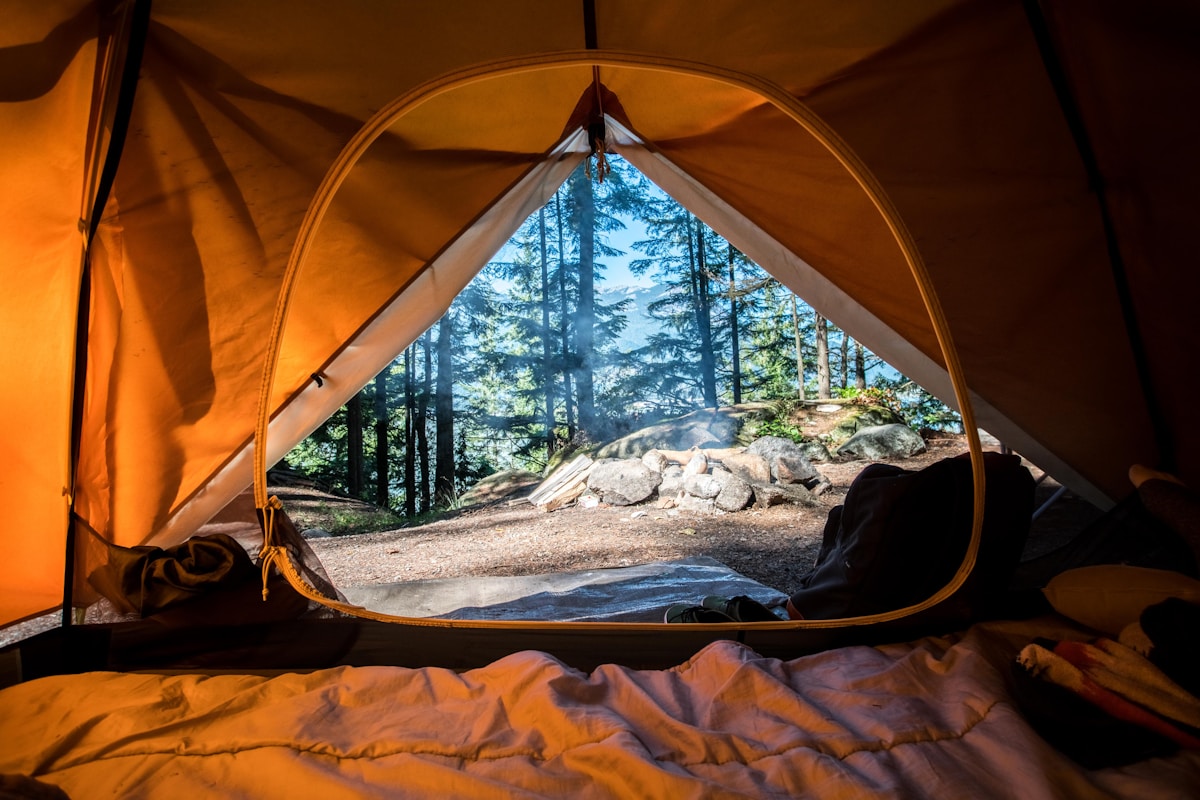
This comprehensive guide covers everything Canadian families need to plan an unforgettable summer without going into debt. From staycation ideas and Parks Canada passes to camping on a budget, road trip planning, and free kids’ programs, we will show you how to create summer memories that your family will treasure, all while keeping your finances and credit on track.
- A Parks Canada Discovery Pass provides unlimited access to over 80 national parks and historic sites for the entire family at a fraction of individual admission costs
- Camping is one of the most affordable family vacation options, with many provincial campgrounds charging under $40 per night
- Strategic road trip planning including fuel optimization and packed meals can cut travel costs by 50% or more
- Free community programs, library activities, and municipal recreation keep kids entertained all summer at no cost
- Travel rewards points accumulated through everyday spending can fund parts of your summer vacation at no additional cost
- Staycations that explore your own city or region can be just as memorable as distant travel at a fraction of the cost
The Staycation: Your Most Underrated Summer Option
Why Staycations Deserve More Respect
The staycation has gotten a bad reputation as a consolation prize for families who cannot afford a real vacation. This could not be more wrong. A well-planned staycation can be more relaxing, more fun, and more memorable than a stressful, overpriced trip that leaves you in debt and exhausted when you return to work.
The advantages of a staycation are substantial. You eliminate the single biggest vacation expense, which is travel and accommodation. You sleep in your own comfortable bed. You have access to your own kitchen for meals. You avoid the stress of packing, airports, traffic, and tight schedules. And you often discover amazing things in your own community that you have been too busy to enjoy during the regular routine.
The Tourist in Your Own City Challenge
Challenge your family to spend a week being tourists in your own city or town. Visit the attractions, museums, parks, and restaurants that you normally drive past without stopping. Many cities offer resident discount programs or free admission days at museums and galleries. You will be surprised how much there is to discover in your own backyard. Many Canadians know more about Mexican resorts than they do about the attractions within an hour of their home.
Staycation Ideas by Region
| Region | Free Activities | Low-Cost Activities ($5-25) | Splurge-Worthy ($25-75) |
|---|---|---|---|
| British Columbia | Beach days, hiking, Stanley Park, community festivals | BC Ferries day trip, Granville Island, provincial park camping | Whale watching, kayaking tour, zip-lining |
| Alberta | River walks, Nose Hill Park, Heritage Park free days, splash pads | Drumheller dinosaur museum, Lake Louise day trip, swimming pools | Banff gondola, horseback riding, white water rafting |
| Saskatchewan/Manitoba | Lake beaches, hiking trails, community events, urban parks | Wascana Centre, The Forks, provincial park day use | Riding Mountain National Park, kayak rental, go-karting |
| Ontario | Waterfront trails, free concerts, splash pads, community pools | ROM free evenings, Toronto Islands ferry, provincial parks | Niagara Falls attractions, Canada’s Wonderland, Blue Mountain |
| Quebec | Mont Royal, Old Montreal walking, community festivals, beaches | Jean-Talon Market, Biodome, Parc national de la Jacques-Cartier | Whale watching in Tadoussac, La Ronde, Montmorency Falls |
| Atlantic Provinces | Beaches, coastal hikes, harbour walks, community ceilidhs | Peggy’s Cove, Signal Hill, lobster at local wharves | Bay of Fundy tour, whale watching, Cabot Trail driving |
Some of the best family vacations I have ever experienced cost almost nothing. We once spent a week doing a staycation in our own city of Ottawa and discovered more than we had in five years of living there. We visited museums on free admission days, had picnics in parks we had never explored, took a day trip to Gatineau Park for hiking and swimming, and spent an evening at an outdoor concert series we did not even know existed. The kids still talk about that summer. The amount you spend has very little to do with how much fun your family will have.
Planning a Week-Long Staycation
-
Research Local Events and Activities
Check your city or town’s tourism website, community centre calendar, library programming, and local event listings for summer activities. Many communities have free outdoor movie nights, concerts, festivals, and family events throughout the summer. Create a master list of everything available during your staycation week.
-
Create a Daily Schedule
Plan one main activity per day and leave room for spontaneity. Having a loose schedule creates anticipation and structure without making the staycation feel like a forced march. Include a mix of active days (hiking, swimming, cycling) and relaxed days (movie marathon, backyard camping, board game tournament).
-
Set a Staycation Budget
Even a staycation should have a budget. Allocate a small daily spending allowance for treats, entrance fees, or restaurant meals. A staycation budget of $200-400 for the week provides plenty of money for occasional splurges while keeping total spending far below the cost of a traditional vacation.
-
Declare Vacation Rules
To make a staycation feel like a real vacation, declare vacation rules for the week. No work emails, no household chores (or at least minimal ones), no regular routine. Put an out-of-office message on your email, clear your calendar, and commit to being fully present with your family.
-
Create Special Moments
Make the staycation feel special with small touches. Have breakfast on the patio, set up a backyard movie screen, build a blanket fort, have a themed dinner night, or camp in the backyard. These small efforts transform an ordinary week at home into a memorable vacation experience.
Parks Canada Discovery Pass: The Best Deal in Canadian Travel
What You Get With a Discovery Pass
The Parks Canada Discovery Pass is arguably the best travel value in Canada. For a single annual fee, your family gets unlimited access to over 80 national parks, national historic sites, and national marine conservation areas across the country. When you consider that a single day-use fee at a popular national park can cost $10-20 per adult, the Discovery Pass pays for itself in just a few visits.
| Pass Type | Price (approximate) | Covers | Break-Even Point |
|---|---|---|---|
| Adult Individual | $72.25 | One adult (18-64) | 4-7 park visits |
| Senior Individual | $61.75 | One senior (65+) | 4-6 park visits |
| Youth | Free | Ages 17 and under | Always free |
| Family/Group | $145.25 | Up to 7 people in a single vehicle | 2-4 park visits |
Youth Get In Free
Parks Canada offers free admission to all youth aged 17 and under. This means families with children get even more value from the Discovery Pass, as only the adults need to be covered. For a family of four with two children, the family pass at $145.25 covers the entire family for the whole year. Compare this to just two weekend trips to Banff National Park where individual day passes would cost more than the annual pass.
Top Budget-Friendly National Parks for Families
Canada’s national parks offer world-class natural beauty and outdoor recreation at remarkably affordable prices. Here are some of the best parks for family visits across the country:
Banff National Park (Alberta): Canada’s first national park offers stunning mountain scenery, turquoise lakes, and endless hiking trails. While the town of Banff can be expensive, the park itself is free with your Discovery Pass. Pack a picnic, hike to Johnston Canyon, swim at Johnson Lake, and enjoy some of the most spectacular scenery on Earth without spending a fortune.
Bruce Peninsula National Park (Ontario): Located on Georgian Bay, this park features crystal-clear waters, the famous Grotto cave formation, and beautiful hiking trails along the Bruce Trail. Day visits with a Discovery Pass are free, and nearby camping is affordable.
Pacific Rim National Park Reserve (BC): Long Beach, old-growth rainforest trails, and incredible tide pools make this a paradise for families. The Wickaninnish Beach and South Beach areas are perfect for family days, and storm watching in shoulder season is a free and unforgettable experience.
Prince Edward Island National Park: Red sand beaches, sand dunes, and warm(ish) ocean swimming make this a family favourite. The park stretches along the north shore of PEI and offers cycling trails, beach activities, and the Green Gables Heritage Place.
Riding Mountain National Park (Manitoba): This underrated gem offers a lake beach perfect for families at Clear Lake, wildlife viewing (including a bison enclosure), and beautiful hiking trails through boreal forest. The nearby town of Wasagaming has affordable family amenities.
Cape Breton Highlands National Park (Nova Scotia): The famous Cabot Trail runs through this park, offering some of the most dramatic coastal scenery in North America. Hiking trails range from easy beach walks to challenging mountain ascents, with wildlife viewing opportunities throughout.
Canada’s national parks represent some of the most spectacular natural areas on the planet, and with a Discovery Pass, they are more affordable than a single day at most commercial amusement parks. No Canadian family should miss the opportunity to explore these national treasures.
Camping on a Budget
Why Camping Is the Ultimate Budget Vacation
Camping is by far the most affordable way for Canadian families to take a multi-day vacation. With campsite fees ranging from $20 to $45 per night at most provincial and national park campgrounds, a family can enjoy a full week of vacation for less than the cost of a single night at many hotels. Add in the fact that you cook your own meals over a campfire and entertainment consists of hiking, swimming, fishing, and stargazing, and camping becomes almost impossibly affordable compared to any other vacation option.
Camping on a Budget: What You Need
The biggest barrier to camping for many families is the perceived startup cost. A tent, sleeping bags, a cooler, and cooking equipment can seem like a significant investment. However, there are many ways to acquire camping gear affordably, and once you have the basics, the gear lasts for years.
| Essential Gear | New Price Range | Budget Alternative | Budget Cost |
|---|---|---|---|
| Family Tent (4-6 person) | $150-400 | Buy used on Facebook Marketplace or Kijiji | $40-100 |
| Sleeping Bags (family of 4) | $120-400 | Use blankets and comforters from home | $0 |
| Sleeping Pads | $40-200 | Foam mats from Canadian Tire or Walmart | $15-30 |
| Cooler | $30-150 | Borrow from friend or buy basic Coleman | $0-30 |
| Camp Stove | $30-150 | Cook over campfire with a grill grate | $0-15 |
| Cooking Utensils | $20-60 | Use pots and utensils from home | $0 |
| Camp Chairs | $40-120 | Dollar store or Canadian Tire basic chairs | $10-25 |
| Lantern/Flashlights | $15-50 | Dollar store flashlights or phone flashlight | $0-5 |
Borrow Before You Buy
Before buying any camping gear, ask friends and family if you can borrow equipment for your first trip. Many people have camping gear sitting unused in garages and basements and would be happy to lend it. Some libraries in Canada have also started “library of things” programs that include camping equipment. This allows you to try camping before investing in your own gear, and you may find that borrowed equipment is sufficient for occasional trips.
Budget Camping Meal Planning
Food is one of the biggest camping expenses, but it does not have to be. With some planning, you can feed your family well while camping for less than you would spend eating at home.
-
Plan Your Menu Before You Leave
Write out every meal and snack for your entire camping trip. This prevents overbuying at the grocery store and ensures you do not forget essential ingredients that would require an expensive trip to a campground convenience store.
-
Prep Food at Home
Chop vegetables, marinate meats, mix pancake batter, and prepare any sauces or seasonings at home before you leave. This reduces cooking time at the campsite and ensures you have everything you need. Pre-measured ingredients in labelled bags make campfire cooking much easier.
-
Keep Meals Simple
Campfire cooking does not need to be gourmet. Hot dogs, burgers, foil packet dinners (meat and vegetables wrapped in foil and cooked in coals), and simple pasta dishes are easy, affordable, and beloved by kids. For breakfast, pancakes, eggs, and oatmeal are simple and filling.
-
Bring Plenty of Snacks
Active outdoor days require frequent snacking. Bring trail mix, granola bars, fruit, crackers, and cheese, all purchased in bulk before the trip. Campground stores charge premium prices for basic snacks.
-
Do Not Forget the S'mores
No camping trip is complete without s’mores. A bag of marshmallows, a box of graham crackers, and a few chocolate bars cost under $10 and provide one of the most iconic camping experiences for the whole family.
Budget Camping Trip Cost Breakdown
| Expense | 5-Night Camping Trip | Equivalent Hotel Vacation | Savings |
|---|---|---|---|
| Accommodation | $150-200 (campsite fees) | $750-1,500 (hotel) | $600-1,300 |
| Food (family of 4) | $150-250 (groceries and cooking) | $500-1,000 (restaurants) | $350-750 |
| Activities | $0-50 (hiking, swimming, fishing) | $200-500 (tourist attractions) | $200-450 |
| Transportation | $50-150 (fuel) | $100-500 (fuel or flights) | $50-350 |
| Total | $350-650 | $1,550-3,500 | $1,200-2,850 |
Families who camp together create bonds that are difficult to replicate in any other setting. There is something about being outdoors together, away from screens and schedules, that brings families closer. And from a financial perspective, camping is unbeatable. I have seen families with very modest budgets create incredible summer memories in our national parks. The key is to book your campsite early, as popular parks fill up months in advance. For peak summer camping, I recommend booking as soon as reservations open, which is typically five months before your planned arrival date.
Road Trip Planning on a Budget
Fuel Cost Optimization
For many Canadian families, a summer road trip is the most practical and affordable way to travel, especially when flying would require purchasing multiple expensive tickets. However, fuel costs can quickly eat into your vacation budget if you do not plan strategically.
-
Plan Your Route for Fuel Efficiency
Use Google Maps or a GPS to plan the most fuel-efficient route, which is not always the shortest route. Highway driving at consistent speeds is more fuel-efficient than routes with frequent stops and starts. Avoid major city rush hours when possible, as idling in traffic wastes fuel.
-
Use Fuel Price Apps
Apps like GasBuddy show real-time fuel prices at stations along your route, allowing you to fill up at the cheapest locations. Prices can vary by 10-15 cents per litre between stations just a few kilometres apart. On a 60-litre fill-up, that is a savings of $6-9 every time you refuel.
-
Maintain Your Vehicle
Ensure your vehicle is properly maintained before a road trip. Properly inflated tires, clean air filters, and fresh oil all improve fuel efficiency. Under-inflated tires alone can reduce fuel efficiency by up to 3%.
-
Drive at Optimal Speeds
The most fuel-efficient speed for most vehicles is between 80 and 100 km/h. Driving at 120 km/h can use 20% more fuel than driving at 100 km/h. On a long road trip, slowing down by 20 km/h can save significant fuel money with minimal impact on arrival time.
-
Fill Up Before Highway Gas Stations
Gas stations at highway exits and tourist areas typically charge premium prices. Fill up in towns along your route where competition keeps prices lower. Top up your tank before entering remote areas where options are limited and prices are highest.
Affordable Road Trip Accommodation
Accommodation is typically the biggest expense on a road trip after fuel. Here are strategies to minimize overnight costs:
Camping Along the Way: If you have camping gear, provincial and national park campgrounds along your route offer the most affordable overnight accommodation. Plan your route to include campground stops every four to six hours of driving.
Budget Hotels and Motels: If camping is not your style, budget hotel and motel chains like Super 8, Motel 6, and Travelodge offer clean, basic rooms at lower prices than full-service hotels. Book in advance online for the best rates, and look for properties that include free breakfast to save on morning meal costs.
Hostelling International: HI Canada operates hostels across the country, many of which offer private family rooms at prices significantly below hotels. Hostels also typically have shared kitchens where you can prepare your own meals.
Home Exchange or House Sitting: Platforms like HomeExchange allow you to swap your home with another family for free, eliminating accommodation costs entirely. House-sitting platforms like TrustedHousesitters connect you with homeowners who need pet sitters while they are away, providing free accommodation in exchange for caring for their animals.
Packing Meals for the Road
Eating at restaurants during a road trip can easily cost a family of four $40-60 per meal, or $120-180 per day. Packing your own meals and snacks is one of the most effective ways to reduce road trip costs.
| Meal | Packed From Home Cost (Family of 4) | Restaurant Cost (Family of 4) | Daily Savings |
|---|---|---|---|
| Breakfast | $5-8 (cereal, fruit, muffins) | $30-50 (restaurant) | $22-45 |
| Lunch | $8-12 (sandwiches, snacks, drinks) | $35-60 (fast food or sit-down) | $23-52 |
| Dinner | $12-20 (pre-prepared or simple cooking) | $50-80 (sit-down restaurant) | $30-68 |
| Snacks | $3-5 (bulk purchased) | $10-20 (gas station snacks) | $5-17 |
| Daily Total | $28-45 | $125-210 | $80-172 |
The One Meal Out Rule
A great compromise between eating every meal in a restaurant and never eating out is the “one meal out” rule. Pack breakfast and lunch each day, but allow one restaurant meal per day, typically dinner. This lets the family enjoy local food culture and gives the designated cook a break, while keeping daily food costs at a reasonable $60-80 instead of $125-210. Choose local, family-owned restaurants over chains for more authentic experiences, often at better prices.
Travel Rewards Optimization for Budget Travellers
Earning Travel Rewards Without Overspending
Travel rewards programs can help offset summer vacation costs, but they need to be used strategically, especially by Canadians who are managing debt or rebuilding credit. The key principle is simple: never spend more money just to earn rewards. Only use rewards credit cards for purchases you would make anyway, and always pay the balance in full each month.
If you have bad credit and do not qualify for premium travel rewards cards, do not worry. There are still ways to earn travel rewards through everyday activities that do not require credit cards at all.
Travel Rewards Cards and Bad Credit
If you are rebuilding your credit, do not apply for travel rewards credit cards that you are unlikely to be approved for. Hard inquiries from denied applications damage your credit score with no benefit. Instead, focus on no-fee or secured credit cards that offer modest rewards, and build your credit score until you qualify for better options. The goal is credit rebuilding first, travel rewards second. Never let the pursuit of points compromise your financial recovery.
Non-Credit Card Ways to Earn Travel Benefits
| Program | How to Earn | What You Get | Cost |
|---|---|---|---|
| Scene+ (Scotiabank) | Shopping at Sobeys, FreshCo, IGA, Empire brands | Free movies, grocery discounts, travel rewards | Free to join |
| PC Optimum | Shopping at Loblaws, No Frills, Shoppers Drug Mart | Points redeemable for groceries (freeing up vacation budget) | Free to join |
| CAA Membership | Annual membership fee | Roadside assistance plus hotel and attraction discounts across Canada | $75-170/year |
| Air Miles | Shopping at participating retailers | Flights, hotel stays, car rentals, merchandise | Free to join |
| Hotel Loyalty Programs | Staying at chain hotels and signing up for free programs | Free nights, room upgrades, late checkout | Free to join |
The biggest myth about travel rewards is that you need a premium credit card to benefit. Some of the best travel savings come from free loyalty programs, strategic use of points you earn from everyday grocery shopping, and taking advantage of seasonal promotions. I have helped families on tight budgets plan vacations using nothing but grocery store points and free hotel loyalty programs. It takes more planning than simply swiping a premium card, but the results can be just as valuable, especially when you are trying to avoid new debt.
Free and Low-Cost Kids’ Programs
Keeping Kids Entertained All Summer
For many working parents, the biggest summer challenge is not vacation planning but keeping children entertained and supervised during the eight to ten weeks of summer break. Paid day camps can cost $200-500 per week per child, which is financially impossible for many families. Fortunately, Canada offers an abundance of free and low-cost summer programs for children.
Free Summer Programs Across Canada
TD Summer Reading Club: Run through public libraries across Canada, this free program encourages children to read throughout the summer with rewards, challenges, and fun activities. Many libraries expand their summer programming to include craft workshops, science experiments, coding classes, and storytelling sessions, all completely free.
Parks Canada Learn-to Camp Programs: Parks Canada offers free or low-cost programs that teach families the basics of camping, including tent setup, fire building, outdoor cooking, and nature exploration. These programs are perfect for families who want to try camping but have no experience.
Municipal Recreation Programs: Most Canadian municipalities offer free or low-cost summer programming for children through parks and recreation departments. These may include sports clinics, arts programs, playground leaders programs, splash pad activities, and drop-in recreation centres. Check your city’s recreation department website in May or June for summer program registration.
Community Centre Day Camps: While not always free, community centre day camps are significantly cheaper than private camps, often costing $50-150 per week. Many offer subsidized rates for low-income families, and some communities offer campership funds that cover the full cost for children who could not otherwise attend.
Church and Community VBS Programs: Vacation Bible School programs, offered by churches across Canada, provide a week of free activities, crafts, music, and fun for children. These programs typically welcome all children regardless of religious affiliation and provide a structured, supervised week of activities at no cost.
Free Sports Clinics: Many sports organizations and community groups offer free introductory clinics during the summer, including soccer, tennis, basketball, swimming, and martial arts. These provide active entertainment for children while introducing them to sports they may want to pursue further.
Weekly Summer Schedule Template
| Day | Morning Activity (Free) | Afternoon Activity (Free/Low-Cost) | Estimated Cost |
|---|---|---|---|
| Monday | Library summer program | Splash pad or community pool | $0-5 |
| Tuesday | Backyard play and crafts | Community centre drop-in sports | $0-3 |
| Wednesday | Park playdate with friends | Bike ride on local trails | $0 |
| Thursday | Library program or storytime | Free museum admission day | $0 |
| Friday | Nature exploration hike | Family movie or game afternoon | $0-5 |
| Weekend | Family beach or lake day | Community festival or event | $0-20 |
| Weekly Total | $0-33 |
Campership and Subsidy Programs
If your family qualifies for low-income subsidies, explore campership programs in your community. Organizations like the YMCA, Boys and Girls Clubs, Big Brothers Big Sisters, and local community foundations offer subsidized or free summer camp placements for children from families experiencing financial hardship. Application processes vary, but many require proof of income and a brief application form. Apply early, as funded spots are limited and fill quickly.
Protecting Your Credit While Enjoying Summer
Avoiding the Summer Debt Trap
Summer spending can creep up on Canadian families, with each small expense seeming manageable until the credit card statement arrives. Ice cream stops, admission fees, restaurant meals, souvenir purchases, and activity costs accumulate rapidly over eight to ten weeks of summer.
For families rebuilding their credit, summer overspending poses a specific risk: increased credit utilization ratios, potential missed payments on regular bills due to cash flow disruption, and the temptation to put vacation expenses on credit cards.
-
Set a Total Summer Fun Budget
Before summer begins, determine the total amount you can spend on summer activities, vacations, and entertainment without going into debt. This includes everything from vacation costs to ice cream stops and movie tickets. Having a firm total prevents the slow creep of uncounted small expenses.
-
Use Cash for Discretionary Summer Spending
Withdraw your weekly summer fun budget in cash at the beginning of each week. When the cash is gone, the spending stops. This physical constraint is far more effective than mental budgeting alone, especially when dealing with frequent small purchases during summer activities.
-
Maintain All Regular Bill Payments
Summer fun should never come at the expense of regular bill payments. Set up automatic payments for all essential bills so that vacation excitement does not cause you to miss a payment deadline. Even one missed payment can significantly damage a credit score you have been working to rebuild.
-
Save for Summer Starting in January
The best way to enjoy summer without financial stress is to save for it throughout the year. Setting aside $50-100 per month from January through May creates a $250-500 summer fun fund that allows you to enjoy activities without tapping into regular cash flow or credit.
The best summer memories are not the ones that cost the most money. They are the ones where your family was fully present, genuinely connected, and free from the stress of financial worry. Spending within your means is not a limitation on your summer; it is the foundation of truly enjoying it.
Summer Vacation Planning Timeline
Month-by-Month Preparation Guide
| Month | Planning Actions | Financial Actions |
|---|---|---|
| January | Brainstorm summer vacation ideas with family | Start summer savings fund, set monthly savings target |
| February | Research campground and park options, check reservation opening dates | Continue saving, purchase Parks Canada Discovery Pass early |
| March | Book campground reservations (many open 5 months in advance) | Continue saving, watch for early-bird deals on activities |
| April | Plan road trip routes, research free activities at destination | Continue saving, start accumulating grocery points for trip food |
| May | Register for free summer programs, check community event calendars | Continue saving, create detailed trip budget |
| June | Prepare camping gear, plan trip meals, create packing lists | Finalize summer budget, purchase needed supplies on sale |
| July-August | Execute your summer plan and enjoy! | Track spending against budget, stay within limits |
The families who have the best summers on a budget are the ones who plan early. Campground reservations at popular parks fill up months in advance, and free summer programs require early registration. By starting your summer planning in January and your saving at the same time, you arrive at June with both a plan and the money to execute it. I have seen families enjoy incredible week-long camping vacations in national parks for under $400 total, but it required planning that started six months before the trip.
Budget Summer Activity Ideas for Every Age
Activities for Young Children (Ages 3-7)
Young children are the easiest and least expensive to entertain during summer. They find wonder in the simplest activities and do not need elaborate or expensive experiences. A sprinkler in the backyard, a picnic at the park, or a trip to the library can provide hours of happy engagement.
Free activities for young children include splash pads (free in most Canadian cities), playgrounds, library storytime and craft programs, nature walks and scavenger hunts, backyard water play with a hose or sprinkler, sidewalk chalk art, bubbles, sandbox play, and community wading pools. Low-cost options include community swimming pool visits ($2-5), local farm visits ($5-15), and children’s museum discount days.
Activities for School-Age Children (Ages 8-12)
School-age children need more structured activity and may push back on simple backyard play. However, this age group responds well to challenges, adventures, and skill-building activities that can be provided at low cost.
Free activities include geocaching (a free GPS-based treasure hunting game), bike rides on community trails, fishing at local ponds or rivers (children under 16 do not need a licence in most provinces), building forts, learning to cook, organizing neighbourhood games, volunteering at animal shelters, and starting a garden. Low-cost options include bowling ($5-10 per game), mini golf ($5-10), and community sports leagues ($50-100 for the summer).
Activities for Teenagers (Ages 13-17)
Teenagers can be the most challenging and expensive age group to entertain. However, many teenagers are happy to plan their own activities if given some freedom and a small budget. Encourage part-time summer work for older teens, which provides both income and responsibility.
Free activities include hiking challenging trails, swimming at beaches and lakes, pick-up sports with friends, photography projects, learning a new skill through free online courses, volunteering (which also builds resumes), and attending free community events and concerts. Low-cost options include movie matinees ($8-10), escape rooms with friends ($15-25 per person), and day passes at local attractions.
Join 10,000+ Canadians who started their credit journey with Credit Resources.
GET STARTED NOWFrequently Asked Questions
The amount varies greatly depending on your financial situation and the type of vacation you choose. A staycation can cost as little as $200-400 for a full week, a camping trip typically costs $350-650 for a week, and a road trip with budget accommodation runs $600-1,200. The key is to budget based on what you can afford without going into debt, not based on what the average family spends. There is no minimum spending requirement for a great summer vacation.
For most Canadian families, the Discovery Pass offers excellent value. At $145.25 for a family or group pass, it pays for itself in just two to four visits to national parks, depending on the park. Youth 17 and under are admitted free to all Parks Canada locations regardless of whether the family has a pass. If you plan to visit even two national parks or historic sites during the year, the Discovery Pass is almost certainly worth the investment.
Camping is consistently the most affordable multi-day family vacation option. Provincial and national park campsites cost $20-45 per night, you cook your own meals over the campfire, and entertainment (hiking, swimming, fishing, stargazing) is free. A five to seven night camping trip for a family of four can cost as little as $300-500 total, including food and fuel. The main investment is in camping gear, which can be acquired affordably through second-hand purchases and borrowing.
Take advantage of free community resources including library summer programs, municipal splash pads and pools, park playground programs, community sports clinics, and free museum admission days. Create a weekly schedule that alternates between structured programs and free play. Organize neighbourhood playdates and potluck barbecues with other families. Many Canadian communities also have free summer concert series, outdoor movie nights, and festival events that provide family entertainment at no cost.
Summer spending only hurts your credit score if it leads to increased credit card balances (higher utilization), missed payments on regular bills, or new credit applications. To protect your credit score during summer, use cash or debit for vacation spending, maintain automatic payments on all regular bills, and avoid applying for new credit cards to finance travel. If you budget properly and pay for summer activities with savings rather than credit, your score should not be affected.
For popular provincial and national park campgrounds, book as soon as reservations open, which is typically four to six months before the camping date. Parks Canada reservations for summer 2026 will open in early 2026, with exact dates posted on the reservation.pc.gc.ca website. Provincial parks have their own reservation systems and timelines. For July and August long weekends, popular campgrounds can sell out within hours of reservations opening, so mark your calendar and be ready to book at the exact opening time.
While most established campgrounds charge fees, there are free and very low-cost camping options. Crown Land camping is permitted in many provinces at no cost (check provincial regulations for rules and restrictions). Some provincial recreation areas offer free or donation-based camping. Boondocking (free overnight parking) is permitted at some Walmart locations and other businesses, though this is more suited to RV travel. For the most comfortable family camping experience, budget campgrounds at $20-30 per night offer the best value with amenities like washrooms, fire pits, and water access.
Final Thoughts: Your Best Summer Is an Affordable One
The pressure to provide expensive summer experiences for your family is largely manufactured by marketing and social comparison. The reality is that the best summer memories have very little to do with how much money you spend and everything to do with how present and engaged you are with your family.
Children do not need resort vacations, theme park visits, or expensive summer camps to have an amazing summer. They need time with their parents, outdoor adventures, the freedom to explore, and the security of knowing their family is financially stable. A camping trip where the whole family sleeps in a tent, cooks over a campfire, and spends the day swimming in a lake creates deeper bonds and more lasting memories than a stress-filled, debt-financed trip to a crowded tourist destination.
If you are a Canadian family managing a tight budget or rebuilding your credit, give yourself permission to have a wonderful summer within your means. Use the strategies in this guide to plan ahead, find free and low-cost activities, and protect your finances while creating memories that will last a lifetime. Your family deserves a great summer, and a great summer does not require a great deal of money.
Start planning now. Set your summer budget. Research free programs and campground availability. And commit to enjoying every moment of Canada’s beautiful summer season without the shadow of financial worry hanging over it. That is the best gift you can give your family this summer.
Join 10,000+ Canadians who started their credit journey with Credit Resources.
GET STARTED NOWRelated Canadian Credit Guides
- How to Survive on One Income in Canada: Single-Income Household Guide
- Tax-Free Savings Account (TFSA) Complete Guide for Canadians (2026)
- Canadian Customs Duties and Import Taxes: How Cross-Border Shopping Affects Your Wallet
- Ethical Investing in Canada: ESG Funds, Impact Investing & SRI Options for Every Budget
- Home Office Tax Deductions in Canada (2026): Employee and Self-Employed


Start Understanding Your Credit Today
Join 10,000+ Canadians who took control of their financial future.
GET STARTED NOW