

Introduction: The Rising Stakes of Condo and HOA Fee Disputes in Canada
Canada’s condominium sector has grown dramatically over the past two decades. With more than five million Canadians living in condominiums, strata properties, and homeowner association (HOA) communities, the financial obligations that come with shared property ownership affect a massive portion of the population. Monthly condo fees—also known as strata fees in British Columbia, common element fees in Ontario, or syndicate fees in Quebec—fund the maintenance, insurance, and reserve funds of shared properties.
When unit owners fall behind on these mandatory fees, the consequences can be severe and far-reaching. Unlike most consumer debts, condo corporations and strata councils in Canada have extraordinary legal powers to recover unpaid fees, including the ability to register liens against your property, add legal costs to your debt, and in extreme cases, force the sale of your unit. When these debts are sent to collections, they can devastate your credit score and make it difficult to obtain future financing.
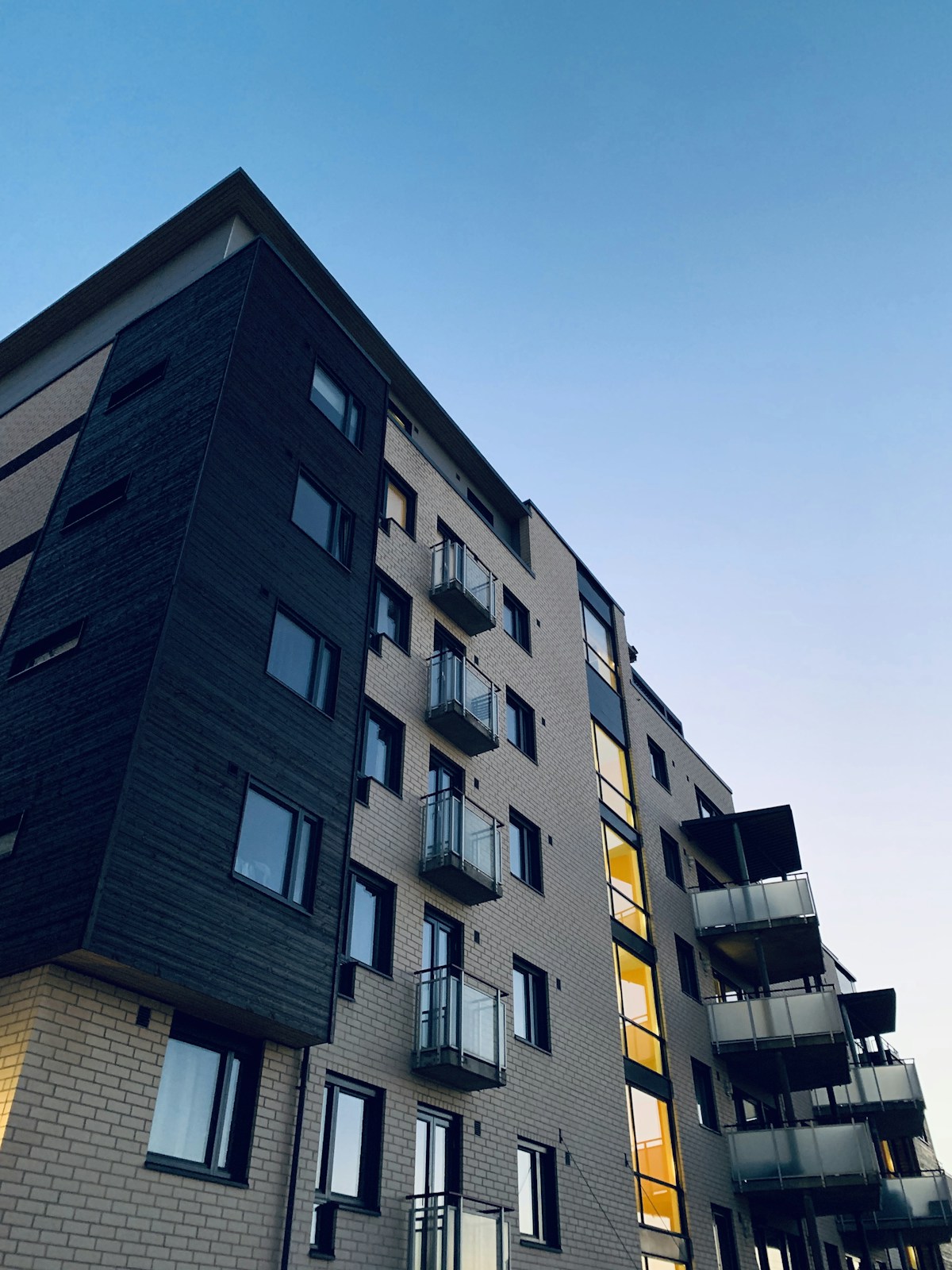
This comprehensive guide examines how condo fee collections work in Canada, the extraordinary powers that condo corporations have to recover unpaid fees, how these debts affect your credit, the significant provincial differences in condo legislation, and the steps you can take to protect yourself. Whether you are a current condo owner struggling with fees, considering purchasing a condo, or dealing with condo fee collections on your credit report, this guide provides the detailed information you need.
- Condo corporations in Canada have super-priority lien rights that rank ahead of most other debts, including mortgages in many provinces—making unpaid condo fees among the most powerful debts a Canadian can owe.
- Monthly condo fees across Canada range from $200 to $1,000+ and are legally mandatory obligations that cannot be reduced or avoided by individual unit owners.
- Unpaid condo fees sent to collections can damage your credit score by 50 to 150 points and remain on your report for six to seven years.
- Provincial condo legislation varies significantly—British Columbia, Ontario, Alberta, and Quebec each have distinct rules governing fee enforcement, lien registration, and collections.
- Communication with your condo board and early action are critical for avoiding the escalating legal and financial consequences of unpaid fees.
Understanding Condo Fees in Canada
Before exploring the collections process, it is important to understand what condo fees are, why they are mandatory, and how they are determined. This context helps explain why condo corporations take non-payment so seriously and why they have such strong enforcement powers.
What Condo Fees Cover
Condo fees are monthly contributions paid by each unit owner to fund the operation, maintenance, and long-term capital needs of the shared property. The fees typically cover the following categories of expenses:
| Expense Category | Typical Share of Fees | Examples |
|---|---|---|
| Building Maintenance | 25-35% | Hallway cleaning, landscaping, snow removal, pest control, elevator maintenance |
| Utilities (Common Areas) | 15-25% | Heating, cooling, water, electricity for shared spaces, some buildings include unit utilities |
| Insurance | 10-20% | Building insurance (not unit contents), liability insurance, directors and officers insurance |
| Reserve Fund Contributions | 15-25% | Long-term capital repairs: roof replacement, elevator modernization, plumbing upgrades |
| Management Fees | 10-15% | Professional property management company fees, administrative costs |
| Amenities | 5-15% | Pool, gym, concierge, party room, parking facilities maintenance |
Average Condo Fees Across Canada
| City | Average Monthly Fee (1-bedroom) | Average Monthly Fee (2-bedroom) | Annual Increase Trend |
|---|---|---|---|
| Toronto | $400-$600 | $550-$850 | 3-5% per year |
| Vancouver | $350-$550 | $450-$750 | 3-6% per year |
| Montreal | $200-$350 | $300-$500 | 2-4% per year |
| Calgary | $350-$550 | $450-$700 | 3-5% per year |
| Ottawa | $350-$500 | $450-$700 | 3-5% per year |
| Edmonton | $300-$500 | $400-$650 | 3-5% per year |
| Winnipeg | $250-$400 | $350-$550 | 2-4% per year |
| Halifax | $250-$400 | $350-$550 | 3-5% per year |
Why Condo Fees Are Non-Negotiable
Unlike most consumer expenses, condo fees are a legal obligation tied to property ownership. When you purchase a condominium, you agree to abide by the condominium corporation’s declaration, bylaws, and rules, which include the obligation to pay your share of common expenses. This obligation runs with the property, meaning:
- You cannot opt out of paying fees because you disagree with how the money is spent.
- You cannot withhold payment as a protest against the condo board’s decisions.
- You cannot reduce your payments unilaterally because you do not use certain amenities.
- The obligation transfers to any new owner if the unit is sold.
Special Assessments: The Hidden Cost
In addition to regular monthly fees, condo corporations can levy special assessments for unexpected or major expenses not covered by the reserve fund. Special assessments can range from a few hundred dollars to tens of thousands of dollars per unit and are typically due within 30 to 90 days. Failure to pay a special assessment carries the same consequences as failure to pay regular monthly fees, including lien registration and collections. Special assessments are particularly dangerous for unit owners already struggling financially because they are often large, unexpected, and non-negotiable.
The Condo Corporation’s Enforcement Powers
What sets condo fee collections apart from most other types of debt in Canada is the extraordinary enforcement powers that provincial legislation grants to condo corporations. These powers make condo fee debt uniquely risky for unit owners and uniquely powerful for condo corporations.
The Super-Priority Lien
The most powerful enforcement tool available to Canadian condo corporations is the statutory lien. When a unit owner fails to pay common fees, the condo corporation can register a lien against the unit. What makes this lien extraordinary is its priority status:
The super-priority lien is what makes condo fee debt fundamentally different from other consumer debts in Canada. In most provinces, a portion of the condo corporation’s lien ranks ahead of the first mortgage on the property. This means that if the unit is sold or the mortgage is foreclosed, the condo corporation gets paid before the bank. There is no other consumer debt in Canada that has this kind of priority, and it gives condo corporations tremendous leverage over delinquent unit owners.
Provincial Lien Priority Rules
| Province | Lien Priority Status | Priority Period | Registration Required? |
|---|---|---|---|
| Ontario | Super-priority for 3 months of common expenses + assessments | 3 months of fees rank ahead of all encumbrances except property taxes | Yes—certificate of lien must be registered |
| British Columbia | Super-priority for 2 quarters of strata fees | 2 fiscal quarters of fees rank ahead of mortgages | Yes—certificate of lien filed in Land Title Office |
| Alberta | Super-priority (limited) | Varies based on condo plan registration date | Yes—caveat or lien registered at Land Titles |
| Quebec | Legal hypothec for common expenses | Priority for current year fees and arrears | Published at the registry office |
| Manitoba | Super-priority lien | Lien for unpaid contributions has priority | Yes—registered at Land Titles |
| Saskatchewan | Super-priority lien | Lien ranks ahead of mortgages for specified period | Yes—registered against title |
The Escalation Process for Unpaid Condo Fees
-
Missed Payment and Interest Charges (Month 1)
When a unit owner misses a condo fee payment, interest begins accruing immediately, typically at rates of 12% to 18% per annum as specified in the condo corporation’s declaration or bylaws. The condo corporation or its management company will send a reminder notice. At this stage, there is no credit impact and no lien.
-
Demand Letter from Condo Corporation (Month 2-3)
If payment is not received, the condo corporation typically sends a formal demand letter, often through its property management company. This letter outlines the total amount owing (including interest), the condo corporation’s enforcement rights, and a deadline for payment. Some condo corporations send this through their legal counsel, which adds legal costs to the amount owed.
-
Legal Demand and Lien Warning (Month 3-6)
If the unit owner still does not pay, the condo corporation’s lawyer sends a formal legal demand letter. This letter typically warns that a lien will be registered against the unit if payment is not received within a specified period (usually 10 to 30 days). The cost of this legal letter is added to the unit owner’s account, increasing the total debt.
-
Lien Registration (Month 4-8)
The condo corporation registers a certificate of lien against the unit’s title at the provincial land registry office. The lien secures the full amount of unpaid fees, interest, and legal costs. The lien registration itself incurs costs (typically $500 to $2,000 in legal and registration fees), all of which are added to the unit owner’s debt. The lien affects the unit owner’s ability to sell or refinance the property.
-
Power of Sale or Court-Ordered Sale (Month 12+)
In the most extreme cases, if the debt remains unresolved for an extended period, the condo corporation can pursue a court-ordered sale (judicial sale) or, in some provinces, exercise a power of sale to force the unit to be sold to recover the unpaid fees. This is the nuclear option and is relatively rare, but it does happen, particularly when debts have accumulated over a long period.
Collections Agency Involvement
In addition to (or sometimes instead of) the lien process, many condo corporations engage collections agencies to pursue unpaid fees. This typically happens in two scenarios:
- Before or instead of the lien process: Some condo corporations send smaller arrears to collections agencies rather than incurring the legal costs of lien registration. This is more common for debts of a few hundred dollars where the legal costs would exceed the amount owed.
- After the unit is sold: If a unit owner sells their unit (voluntarily or through forced sale) and the sale proceeds do not fully cover the arrears, interest, and legal costs, the remaining balance may be sent to a collections agency to pursue as an unsecured debt.
When a collections agency reports unpaid condo fees to Equifax Canada or TransUnion Canada, it appears on the unit owner’s credit report as a collections account, causing significant credit score damage.
Unpaid condo fees are among the most aggressively enforced debts in Canada. Unlike credit card companies or personal lenders, condo corporations can register a super-priority lien that ranks ahead of your mortgage, add all legal costs to your debt, and ultimately force the sale of your home—all while the collections process damages your credit score.

Provincial Rules for Condo Fee Enforcement
Each Canadian province has its own condominium legislation that governs fee enforcement. Understanding the rules in your province is essential for knowing your rights and obligations.
Ontario: Condominium Act, 1998
Ontario’s condo legislation is one of the most developed in Canada. Key provisions for fee enforcement include:
- Lien rights: The condo corporation can register a lien after providing the required notice to the unit owner. The lien covers unpaid common expenses, the interest owing, and reasonable legal costs and expenses.
- Super-priority: A lien for common expenses has priority over every registered and unregistered encumbrance except claims of the Crown (government). The super-priority portion is limited to three months of common expenses.
- Interest rate: The condo corporation can charge interest on arrears at the rate specified in the declaration or bylaws, or at the prescribed rate if none is specified.
- Power of sale: The condo corporation can pursue a power of sale or court-ordered sale to recover unpaid fees, similar to a mortgage foreclosure.
- Collections: The condo corporation can engage collections agencies to pursue unpaid fees, and these agencies can report to credit bureaus.
British Columbia: Strata Property Act
In British Columbia, condominiums are called strata properties, and the governing legislation is the Strata Property Act. Key provisions include:
- Strata fee obligations: Each strata lot owner must pay strata fees as determined by the strata corporation’s budget.
- Lien rights: The strata corporation can register a lien against a strata lot for unpaid strata fees, special levies, and related costs. The lien must be filed in the Land Title Office.
- Super-priority: The strata corporation’s lien has priority over most other charges registered against the strata lot, with some exceptions.
- Fines and penalties: In addition to fees, strata corporations can impose fines for bylaw violations (up to $200 per violation per week for most bylaws, $1,000 for rental restriction violations).
- Small claims court: Strata corporations can pursue unpaid fees through the Civil Resolution Tribunal (CRT), which handles most strata disputes in BC.
Alberta: Condominium Property Act
Alberta’s condo legislation provides strong enforcement tools:
- Caveat registration: The condo corporation can register a caveat against the unit’s title for unpaid contributions, which functions similarly to a lien.
- Interest and penalties: The corporation can charge interest and penalties as specified in its bylaws.
- Court action: The corporation can sue for unpaid contributions and obtain a judgment, which can be enforced through various means including garnishment of wages or bank accounts.
- Collections agencies: Alberta condo corporations frequently use collections agencies for arrears recovery.
Quebec: Civil Code of Quebec and the Divided Co-ownership Provisions
Quebec’s condo system is governed by the Civil Code of Quebec, which provides for legal hypothecs (similar to liens) for unpaid common charges:
- Legal hypothec: The syndicate of co-owners can publish a legal hypothec on the unit for unpaid common charges.
- Priority: The legal hypothec has priority for certain amounts and periods as defined by law.
- Superior Court action: The syndicate can take legal action through the courts to recover unpaid charges.
- Forced sale: In extreme cases, the syndicate can pursue a forced sale of the unit to recover unpaid charges.
| Feature | Ontario | British Columbia | Alberta | Quebec |
|---|---|---|---|---|
| Governing Act | Condominium Act, 1998 | Strata Property Act | Condominium Property Act | Civil Code of Quebec |
| Lien/Hypothec Type | Certificate of Lien | Certificate of Lien | Caveat | Legal Hypothec |
| Super-Priority | Yes (3 months) | Yes (2 quarters) | Limited | Yes (certain periods) |
| Dispute Resolution | Courts / CAT | CRT / Courts | Courts | Courts / TAL |
| Forced Sale Power | Yes | Yes | Yes | Yes |
| Collections Use | Common | Common | Very Common | Common |
How Condo Fee Collections Affect Your Credit
The credit impact of unpaid condo fees depends on whether and how the debt is reported to credit bureaus. There are several pathways through which condo fee debt can appear on your credit report.
Direct Collections Reporting
When a condo corporation engages a collections agency to pursue unpaid fees, the collections agency may report the debt to Equifax Canada and TransUnion Canada. This creates a collections account entry on your credit report, which is one of the most damaging types of entries possible. The impact is similar to other collections accounts:
| Starting Credit Score | Typical Drop | Time to Partial Recovery | Full Recovery |
|---|---|---|---|
| 780+ (Excellent) | 100-150 points | 12-18 months | 3-5 years |
| 680-779 (Good) | 80-120 points | 12-15 months | 2-4 years |
| 580-679 (Fair) | 50-90 points | 6-12 months | 2-3 years |
| Below 580 (Poor) | 25-50 points | 6-12 months | 1-2 years |
Court Judgments
If a condo corporation obtains a court judgment against a unit owner for unpaid fees, that judgment may also appear on the credit report. Court judgments are public records and can be reported by credit bureaus. A judgment is viewed very negatively by lenders and can have a long-lasting impact on creditworthiness.
Impact on Mortgage and Refinancing
A lien registered against your condo unit does not directly appear on your credit report as a tradeline, but it has profound indirect effects on your ability to obtain financing:
- Mortgage renewal: When your mortgage comes up for renewal, the lender will conduct a title search and discover the lien. Most lenders will require the lien to be cleared before approving the renewal, which may force you to pay the arrears from the renewal proceeds.
- Refinancing: You cannot refinance your mortgage with a condo fee lien on your title. The new lender will not advance funds until the lien is removed.
- Selling: A condo fee lien must be discharged before the property can be sold. The arrears (including interest and legal costs) are typically paid from the sale proceeds.
- Home equity lines of credit: Existing HELOCs may be frozen or reduced if the lender becomes aware of the lien.
The Hidden Credit Cost of Condo Liens
Even though a condo lien does not appear as a tradeline on your credit report, the combination of the lien on your title and a potential collections entry on your credit report creates a double barrier to financial flexibility. The lien prevents you from using your property’s equity, while the collections entry raises your borrowing costs across all types of credit. Together, these can trap a unit owner in a difficult financial position where they cannot access the equity needed to resolve the very debt causing the problem.
Negotiating with Your Condo Corporation
If you are falling behind on condo fees, communicating with your condo corporation early and proactively is essential. Most condo boards and management companies prefer to work with unit owners rather than pursue costly legal action.
Payment Arrangement Options
When approaching your condo corporation about unpaid fees, consider proposing one of the following arrangements:
- Catch-up payment plan: Propose paying the arrears over a defined period (such as 3 to 12 months) in addition to your regular monthly fees. For example, if you owe $2,000 in arrears, propose paying an extra $200 per month for 10 months on top of your regular fees.
- Interest waiver or reduction: Ask the condo corporation to waive or reduce interest charges in exchange for a firm commitment to bring the account current. Many boards will agree to this to avoid the cost and hassle of legal action.
- Lump-sum settlement: If you can access funds from savings, family, or another source, offer a lump-sum payment to settle the arrears. The condo corporation may accept less than the full amount (including interest and legal costs) to resolve the matter quickly.
- Post-dated cheques: Some condo corporations will accept a series of post-dated cheques covering both the regular fees and the arrears catch-up amount. This provides the corporation with security while giving you time to pay.
What the Condo Board Can and Cannot Do
Understanding the limits of the condo board’s powers is important for negotiations:
| The Board CAN | The Board CANNOT |
|---|---|
| Charge interest on arrears at the rate specified in the declaration | Charge interest at a rate higher than what the declaration specifies |
| Register a lien against your unit | Enter your unit without proper legal authority |
| Send the debt to collections | Publicly shame or harass delinquent owners |
| Pursue legal action including forced sale | Shut off utilities to individual units in most provinces |
| Add legal costs to your account | Impose fines not authorized by the declaration or bylaws |
| Restrict access to non-essential amenities (varies by province) | Deny access to your unit or common areas essential for access |

Disputing Condo Fee Charges
There are legitimate grounds for disputing condo fee charges, and each province provides mechanisms for resolving disputes between unit owners and condo corporations.
Valid Grounds for Dispute
- Improper fee increases: Condo fee increases must be approved according to the procedures in the corporation’s declaration and the governing provincial legislation. If fees were increased without proper notice or approval, the increase may be challenged.
- Improper special assessments: Special assessments must be authorized in accordance with the declaration and legislation. In many provinces, special assessments above a certain threshold require a vote of the unit owners.
- Calculation errors: Mistakes in calculating your share of common expenses based on your unit’s proportionate share (unit factor) can be disputed.
- Excessive legal costs: While condo corporations can add reasonable legal costs to your account, excessive or unreasonable legal fees can be challenged.
- Mismanagement of funds: If the condo corporation has mismanaged funds, failed to maintain proper financial records, or engaged in fraudulent activity, unit owners may have grounds to challenge fees or how they are applied.
Dispute Resolution Options
| Province | Primary Dispute Forum | Alternative Options | Cost to Owner |
|---|---|---|---|
| Ontario | Condominium Authority Tribunal (CAT) | Superior Court of Justice, mediation | $25-$125 filing fee (CAT) |
| British Columbia | Civil Resolution Tribunal (CRT) | BC Supreme Court, mediation | $25-$150 filing fee (CRT) |
| Alberta | Court of Queen’s Bench | Mediation, arbitration | Court filing fees + legal costs |
| Quebec | Superior Court / TAL | Mediation, arbitration | Court filing fees + legal costs |
| Other Provinces | Provincial courts | Mediation, arbitration | Varies |
-
Document Your Dispute
Gather all relevant documentation: your declaration and bylaws, fee schedules, meeting minutes approving fee increases or special assessments, your payment history, and any correspondence with the condo corporation or management company. Clear documentation is essential for any dispute process.
-
Communicate with the Board in Writing
Before initiating a formal dispute, put your concerns in writing to the condo board. Clearly state the specific charges you are disputing and why. Keep copies of all correspondence. This creates a paper trail and gives the board an opportunity to resolve the issue without formal proceedings.
-
Seek Mediation
Many condo disputes can be resolved through mediation, which is faster and less expensive than court proceedings. Some provinces require mediation before court action. A mediator helps both parties reach a voluntary agreement.
-
File with the Appropriate Tribunal or Court
If informal resolution and mediation fail, file your dispute with the appropriate body. In Ontario, this is the Condominium Authority Tribunal (CAT) for certain types of disputes. In BC, the Civil Resolution Tribunal (CRT) handles most strata disputes. In other provinces, you may need to file in court.
-
Continue Paying Undisputed Amounts
Even while disputing specific charges, continue paying the undisputed portion of your condo fees. Withholding all payment while a dispute is pending will result in additional arrears, interest, and potentially lien registration, which weakens your position in the dispute.
Pay First, Dispute Second
One of the most important pieces of advice for condo owners in a fee dispute is to continue paying your fees while pursuing the dispute. Courts and tribunals look very unfavourably on unit owners who withhold fee payments as a form of protest or leverage. Even if your dispute is ultimately successful, the period of non-payment can result in lien registration, legal costs, and credit damage that may not be fully reversed. Pay what you owe, document your dispute, and pursue resolution through proper channels.
Condo Fee Debt and Other Financial Obligations
Condo Fees and Mortgage Obligations
The interaction between condo fee debt and mortgage obligations is particularly complex. When a unit owner falls behind on condo fees:
- Mortgage lender notification: In some cases, the condo corporation or its lawyer may notify the mortgage lender of the arrears, particularly when a lien is being registered. This is because the mortgage lender has a vested interest in ensuring the property is not encumbered by senior claims.
- Mortgage default: Most mortgage agreements include a clause requiring the borrower to pay all charges against the property, including condo fees. Failing to pay condo fees can technically constitute a default under the mortgage, giving the lender grounds to accelerate the mortgage (demand full repayment).
- Lender payment: In some cases, the mortgage lender may pay the condo fee arrears directly to protect its security position and then add the amount to the mortgage balance or pursue the borrower for reimbursement.
Condo Fees in Bankruptcy and Consumer Proposals
If a unit owner’s financial situation deteriorates to the point of insolvency, condo fee debt interacts with the bankruptcy process in important ways:
- In bankruptcy: Pre-filing condo fee arrears are generally discharged in bankruptcy. However, post-filing condo fees that continue to accrue while you own the unit are a post-filing obligation that you must continue to pay. The condo corporation retains its lien rights for post-filing fees.
- In a consumer proposal: Pre-filing arrears can be included in the consumer proposal. Like bankruptcy, post-filing fees must be kept current.
- Keeping vs. surrendering the unit: If you file for bankruptcy or a consumer proposal and wish to keep your condo unit, you must continue paying both your mortgage and your condo fees going forward. If you surrender the unit, any deficiency after the property is sold may be included in the bankruptcy or proposal.
Protecting Your Credit from Condo Fee Collections
The best way to protect your credit from condo fee collections is to prevent the situation from arising in the first place. However, if you are already dealing with condo fee debt, there are strategies for minimizing the damage.
Prevention Strategies
- Budget for increases: Build a buffer into your monthly budget for condo fee increases. Assume fees will increase by 3-5% annually and budget accordingly.
- Build an emergency fund: Maintain a separate emergency fund specifically for housing-related expenses, including potential special assessments. Aim for at least three months of condo fees plus one month’s mortgage payment.
- Stay informed: Attend annual general meetings, review the corporation’s financial statements, and read all communications from the board. This helps you anticipate upcoming expenses and fee increases.
- Review the status certificate before buying: Before purchasing a condo, obtain and carefully review the status certificate. This document reveals the corporation’s financial health, reserve fund adequacy, pending litigation, and any upcoming special assessments.
Damage Control Strategies
- Act immediately: As soon as you realize you cannot make a condo fee payment, contact the condo corporation or management company. Do not wait for the demand letters and legal threats to start.
- Propose a payment plan: Come prepared with a realistic proposal for catching up on arrears. Showing that you have a plan demonstrates good faith.
- Prioritize condo fees: Because of the super-priority lien and the ability to force a sale of your unit, condo fees should be treated as a very high-priority debt—arguably as important as your mortgage payment.
- Seek professional help: If you are struggling with condo fees and other debts, consult with a non-profit credit counselling agency or a Licensed Insolvency Trustee to understand your options.

Case Studies: Real-World Condo Fee Collections Scenarios
Case Study 1: The Special Assessment Shock
Maria, a condo owner in Toronto, received notice of a $15,000 special assessment for a major roof repair. Already stretched thin financially, she could not pay the assessment within the 90-day deadline. The condo corporation registered a lien against her unit and engaged a collections agency for the outstanding amount. The collections entry dropped her credit score from 720 to 590, preventing her from qualifying for a HELOC that would have allowed her to pay the assessment. She ultimately worked out a 24-month payment plan with the condo corporation, but the collections entry remained on her credit report for six years.
Case Study 2: The Rental Property Trap
James owned a condo in Calgary that he rented out. When his tenant stopped paying rent, James struggled to cover both the mortgage and the condo fees on the rental property. He fell behind on condo fees, and the corporation registered a caveat against the title. When James tried to sell the property to resolve the situation, the accumulated arrears, interest, and legal costs totalled $8,500—significantly reducing his sale proceeds and leaving him with a collections entry on his credit report.
Frequently Asked Questions
Yes, in most Canadian provinces, condo corporations have the legal power to pursue a court-ordered sale (judicial sale) or exercise a power of sale to force the sale of a unit to recover unpaid common expenses. This is considered a last resort and typically occurs only after other enforcement methods (demand letters, lien registration, collections) have failed and the arrears have accumulated to a significant amount. The process requires legal proceedings and court approval in most provinces, and the unit owner has opportunities to pay the arrears and stop the process before the sale is completed.
A condo fee lien registered against your property title does not directly appear as a tradeline on your credit report. However, the unpaid fees that led to the lien can appear on your credit report if they are sent to a collections agency that reports to credit bureaus. Additionally, court judgments related to unpaid condo fees can appear on your credit report as public record entries. The lien itself has significant practical effects even without appearing on your credit report—it prevents you from selling or refinancing your property without first paying the arrears.
No, you should not withhold condo fee payments even if you believe the corporation is mismanaging funds. Withholding payment will result in arrears, interest charges, potential lien registration, and possible credit damage—regardless of whether the corporation is mismanaging funds. Instead, raise your concerns through proper channels: attend board meetings, request financial records, file complaints with the appropriate provincial regulator, or pursue dispute resolution through the applicable tribunal or court. Continue paying your fees while pursuing these remedies.
When you sell a condo unit with outstanding fee arrears, the arrears must be paid from the sale proceeds before the transaction can close. The buyer’s lawyer will request a status certificate from the condo corporation, which will disclose any outstanding amounts. The arrears, including interest and any legal costs, are deducted from your sale proceeds at closing. If the sale proceeds are insufficient to cover both the mortgage and the condo fee arrears, you may be left with a deficiency that the condo corporation can pursue through collections.
The interest rate that a condo corporation can charge on unpaid fees is typically specified in the corporation’s declaration or bylaws. Common rates range from 12% to 18% per annum. Some provinces may have limits on the maximum rate that can be charged. If the declaration does not specify a rate, provincial legislation may provide a default rate. You can find the applicable interest rate by reviewing your condo corporation’s declaration, which should have been provided to you when you purchased the unit.
Pre-filing condo fee arrears are generally dischargeable in bankruptcy in Canada. However, condo fees that accrue after your bankruptcy filing date are not discharged—you must continue paying current fees as long as you own the unit. Similarly, the condo corporation’s lien rights are not affected by bankruptcy for post-filing fees. If you are considering bankruptcy and own a condo, it is essential to discuss the specific implications with a Licensed Insolvency Trustee who can advise you on how your condo fees will be treated.
Take Control of Your Condo Fee Situation
Condo fee debt is uniquely powerful and potentially devastating for Canadian property owners. The combination of super-priority liens, escalating legal costs, collections reporting, and the ultimate threat of forced sale makes unpaid condo fees one of the most consequential debts a Canadian can carry. But with early action, clear communication, and an understanding of your rights and obligations, the worst outcomes can be avoided.
If you are currently behind on condo fees, do not wait for the legal machinery to start grinding. Contact your condo corporation today, propose a payment arrangement, and take steps to bring your account current. If condo fee debt has already affected your credit, know that recovery is possible with the right approach and professional guidance.
Join 10,000+ Canadians who started their credit journey with Credit Resources.
GET STARTED NOWYour home should be a source of security, not financial stress. By understanding the rules that govern condo fee enforcement in your province, communicating proactively with your condo corporation, and taking advantage of available dispute resolution and credit repair strategies, you can protect both your property and your financial future.
Related Canadian Credit Guides
- Judgment-Proof in Canada: When Creditors Can't Collect From You
- Unconscionable Interest Rates in Canada: Criminal Code Section 347 and Your Rights
- How to Respond to a Statement of Claim for Debt in Canada
- Whistleblower Protections and Financial Retaliation in Canada: Protecting Your Credit
- Anti-Money Laundering and Your Bank Account in Canada: Why Banks Ask So Many Questions

Start Building Better Credit Today
Join 10,000+ Canadians who took control of their financial future with our proven credit-building tools.