

Introduction: The Electric Vehicle Revolution Is Here — But Can You Afford It?
Electric vehicles have gone from futuristic curiosity to mainstream reality in Canada. With over 400,000 EVs now registered on Canadian roads and sales growing by 30% or more year over year, the shift away from gasoline-powered vehicles is accelerating. The environmental benefits are clear, and the financial case is increasingly compelling — EV owners save an average of $1,500 to $3,000 per year on fuel alone, and maintenance costs are roughly 50% lower than equivalent gas-powered vehicles.
But for Canadians with bad credit, the question is not whether an EV is a good idea — it is whether they can actually finance one. Electric vehicles have a higher average purchase price than their gas-powered counterparts, and auto lenders scrutinize credit scores closely. A low credit score can mean higher interest rates, larger down payment requirements, or outright denial of financing.
This guide provides a thorough exploration of EV financing options in Canada for consumers with less-than-perfect credit. We will cover federal and provincial incentives that can reduce the purchase price, lender requirements, strategies to improve your approval odds, total cost of ownership comparisons, and practical advice on choosing the right EV for your budget and credit situation.
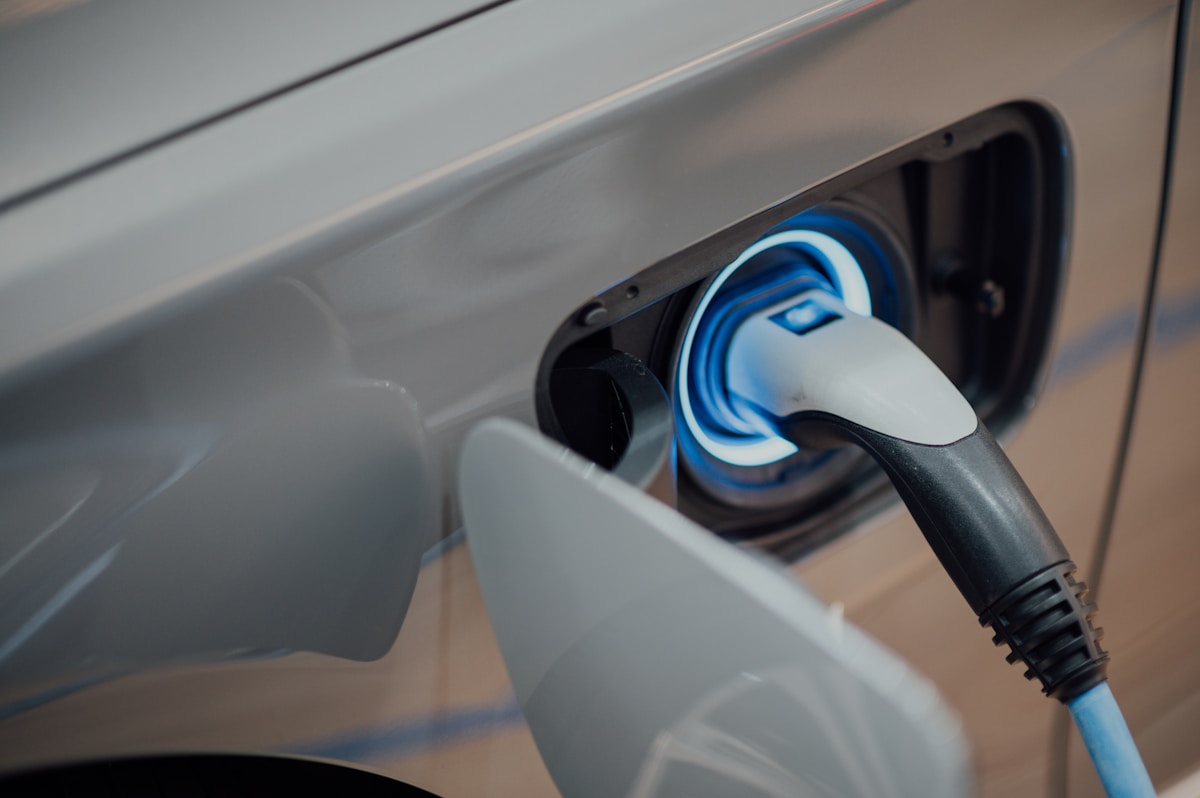
- The federal iZEV rebate offers $5,000 for battery electric vehicles and $2,500 for plug-in hybrids — available regardless of your credit score
- Used EVs starting at $15,000 to $25,000 can be a practical entry point for bad credit buyers
- EV buyers with bad credit should expect auto loan rates of 8% to 20%, compared to 4% to 8% for prime borrowers
- Total cost of ownership for an EV is typically $3,000 to $6,000 less per year than a comparable gas vehicle
- A larger down payment of 15% to 25% can significantly improve approval odds and reduce interest costs for bad credit applicants
The EV Market in Canada: What Is Available in 2026
The Canadian EV market has exploded in variety. In 2026, buyers can choose from dozens of fully electric and plug-in hybrid models across every vehicle category, from compact cars to full-size pickup trucks. Understanding what is available — and what qualifies for government incentives — is the first step in your EV journey.
Most Affordable EVs Available in Canada (2026)
| Vehicle | Starting MSRP | After Federal iZEV | Range (km) | Battery Warranty |
|---|---|---|---|---|
| Chevrolet Equinox EV | $45,800 | $40,800 | 450 to 515 | 8 years / 160,000 km |
| Hyundai Kona Electric | $42,999 | $37,999 | 418 | 8 years / 160,000 km |
| Nissan LEAF | $39,498 | $34,498 | 240 to 363 | 8 years / 160,000 km |
| Chevrolet Bolt EUV | $38,998 | $33,998 | 397 | 8 years / 160,000 km |
| Kia Niro EV | $44,995 | $39,995 | 407 | 8 years / 160,000 km |
| Volkswagen ID.4 | $44,995 | $39,995 | 336 to 443 | 8 years / 160,000 km |
| Tesla Model 3 | $49,990 | $44,990 | 438 to 629 | 8 years / 160,000 km |
| Hyundai IONIQ 5 | $47,999 | $42,999 | 400 to 488 | 8 years / 160,000 km |
Used EVs: A Budget-Friendly Alternative
For bad credit buyers, a used EV can be a more accessible entry point. Used EVs are significantly cheaper than new ones, and some provinces now offer incentives for used EV purchases as well. A 3 to 4 year old Nissan LEAF or Chevrolet Bolt can be found for $15,000 to $25,000 — a much more manageable amount to finance with a subprime auto loan.
| Used EV (3-4 Years Old) | Typical Price Range | Remaining Range | Remaining Battery Warranty | Key Considerations |
|---|---|---|---|---|
| Nissan LEAF (2022-2023) | $15,000 to $22,000 | 200 to 340 km | 4 to 5 years remaining | Most affordable used EV, air-cooled battery |
| Chevrolet Bolt EV (2022-2023) | $18,000 to $25,000 | 350 to 410 km | 4 to 5 years remaining | Excellent range for the price |
| Hyundai Kona Electric (2022-2023) | $22,000 to $30,000 | 380 to 415 km | 4 to 5 years remaining | Well-rounded, good winter performance |
| Tesla Model 3 (2021-2022) | $28,000 to $38,000 | 400 to 560 km | 3 to 4 years remaining | Supercharger network, high resale value |
| Kia Soul EV (2021-2022) | $16,000 to $23,000 | 350 to 380 km | 3 to 4 years remaining | Practical hatchback, reliable |
Check Battery Health Before Buying Used
When buying a used EV, the battery is the most critical and expensive component. Ask the seller for the battery’s State of Health (SoH) reading, which indicates what percentage of the original capacity remains. Most EVs lose 2% to 3% of battery capacity per year. A 4-year-old EV should have 88% to 92% of its original capacity. If the SoH is significantly lower, the battery may need replacement sooner — a cost of $8,000 to $20,000 depending on the vehicle. Many dealers can provide a battery health report, and some independent shops offer battery testing for $100 to $200.
Government Incentives for EV Purchases
Federal iZEV Rebate
The federal Incentives for Zero-Emission Vehicles (iZEV) program offers point-of-sale rebates for qualifying vehicles. Battery electric vehicles (BEVs), hydrogen fuel cell vehicles, and longer-range plug-in hybrids qualify for a $5,000 rebate. Shorter-range plug-in hybrids qualify for a $2,500 rebate.
To qualify, the vehicle must have an MSRP at or below the program’s price cap, which varies by vehicle type. Most vehicles with an MSRP under $55,000 for base models qualify. The rebate is applied at the point of sale by the dealership, so you do not need to apply separately. Importantly, this rebate does not depend on your credit score — it is a straight reduction in the purchase price.
Provincial EV Incentives
| Province | EV Rebate Amount (New) | Used EV Rebate | Additional Benefits |
|---|---|---|---|
| British Columbia | Up to $4,000 (CleanBC) | Up to $2,000 (eligible models) | HOV lane access, reduced ICBC rates |
| Quebec | Up to $7,000 (Roulez Vert) | Up to $3,500 | Green licence plate, reduced tolls |
| Nova Scotia | Up to $3,000 | Up to $2,000 | EV charging infrastructure rebates |
| Prince Edward Island | Up to $5,000 | Up to $2,500 | Home charger rebate |
| New Brunswick | Up to $5,000 | Up to $2,500 | Home charger rebate |
| Newfoundland & Labrador | Up to $2,500 | None currently | Home charger rebate |
| Ontario | No provincial rebate | None | Green licence plate (HOV access) |
| Alberta | No provincial rebate | None | Some municipal programs |
| Saskatchewan | No provincial rebate | None | PST exemption on EVs |
| Manitoba | Up to $4,000 | Up to $2,500 | Home charger rebate |
Stacking Incentives: Real Savings Examples
| Scenario | Vehicle | MSRP | Federal iZEV | Provincial Rebate | Final Price |
|---|---|---|---|---|---|
| BC Buyer — New EV | Chevy Equinox EV | $45,800 | -$5,000 | -$4,000 | $36,800 |
| Quebec Buyer — New EV | Hyundai Kona Electric | $42,999 | -$5,000 | -$7,000 | $30,999 |
| PEI Buyer — New EV | Nissan LEAF | $39,498 | -$5,000 | -$5,000 | $29,498 |
| Ontario Buyer — New EV | Chevy Bolt EUV | $38,998 | -$5,000 | $0 | $33,998 |
| BC Buyer — Used EV | 2022 Kona Electric | $26,000 | $0 | -$2,000 | $24,000 |
| Quebec Buyer — Used EV | 2022 Bolt EV | $22,000 | $0 | -$3,500 | $18,500 |
When you stack federal and provincial incentives, some EVs become cheaper than their gas-powered equivalents. A Nissan LEAF in PEI costs just $29,498 after all rebates — comparable to many mid-range gas-powered sedans, but with dramatically lower operating costs.

EV Financing with Bad Credit: Understanding Your Options
Auto financing in Canada is broadly divided into prime, near-prime, and subprime categories. Where you fall determines your interest rate, required down payment, and which lenders will work with you.
Auto Loan Tiers by Credit Score
| Credit Tier | Score Range | Typical Interest Rate (EV) | Down Payment Required | Lender Types |
|---|---|---|---|---|
| Prime | 720+ | 3.99% to 6.99% | 0% to 10% | Banks, credit unions, manufacturer financing |
| Near-Prime | 650 to 719 | 6.99% to 10.99% | 5% to 15% | Banks, credit unions, some specialty lenders |
| Subprime | 550 to 649 | 10.99% to 17.99% | 10% to 20% | Subprime auto lenders, some credit unions |
| Deep Subprime | Below 550 | 15.99% to 24.99% | 15% to 25% | Specialty subprime lenders, buy-here-pay-here |
The biggest shift I have seen in the EV financing space is that more subprime lenders are now comfortable with electric vehicles. Two or three years ago, many subprime lenders would not touch EVs because they were uncertain about resale values and battery longevity. Now, with established resale data showing EVs hold their value well, and with 8-year battery warranties standard, subprime lenders are increasingly willing to finance EVs. The key for bad credit buyers is to come prepared — have your down payment ready, know your credit score, and be honest about your financial situation.
Where to Get EV Financing with Bad Credit
-
Credit Unions
Credit unions are often the best starting point for bad credit EV financing. They are member-owned, tend to be more flexible with credit requirements, and frequently offer lower interest rates than subprime auto lenders. Many credit unions also have green lending programs that offer better terms for EV purchases. Visit your local credit union and speak with a lending officer about your situation — they often consider factors beyond just your credit score.
-
Manufacturer Financing Programs
Some EV manufacturers offer their own financing programs that may have more flexible credit requirements during promotional periods. Hyundai Motor Finance, Kia Finance, and Nissan Motor Acceptance Corporation all offer subprime auto loans. While rates will be higher than prime offers, these manufacturer-backed programs may be more willing to work with lower credit scores because they want to sell vehicles.
-
Subprime Auto Lenders
Companies like Canada Drives, Clutch, and various dealer-arranged financing programs specialize in bad credit auto loans. These lenders accept credit scores as low as 400 to 500, but interest rates are correspondingly high (15% to 25%). Use these as a last resort, and be cautious about total cost of borrowing. Always compare the total amount you will pay over the life of the loan, not just the monthly payment.
-
Dealer-Arranged Financing
Many dealerships have relationships with multiple lenders and can submit your application to several at once. This can result in competitive offers and increases your chances of approval. However, be aware that each lender may perform a hard inquiry on your credit report. Ask the dealer to be strategic about which lenders they submit to based on your credit profile.
-
Private Lending and Family Loans
If traditional and subprime lenders will not approve your application, consider a private loan from a family member or friend. This avoids credit checks and interest entirely (or at a rate you agree upon). Formalize the arrangement with a written loan agreement to protect both parties. Private lending does not help build your credit score unless it is structured through a formal lending arrangement that reports to credit bureaus.
Total Cost of Ownership: EV vs. Gas Vehicle
The purchase price tells only part of the story. Electric vehicles have significantly lower operating costs than gas-powered vehicles, which means even a higher-interest EV loan may result in lower total monthly costs when fuel and maintenance savings are factored in.
5-Year Total Cost Comparison
| Cost Category | Gas Vehicle (Compact SUV) | Electric Vehicle (Comparable EV) | Annual Difference |
|---|---|---|---|
| Purchase Price (After Rebates) | $35,000 | $37,000 | EV costs $2,000 more |
| Annual Fuel/Electricity Cost | $2,800 (gas at $1.55/L) | $600 (electricity at $0.13/kWh) | EV saves $2,200/year |
| Annual Maintenance | $1,200 | $500 | EV saves $700/year |
| Annual Insurance | $1,800 | $1,900 | EV costs $100 more/year |
| 5-Year Total Cost | $64,000 | $52,000 | EV saves $12,000 over 5 years |
| 10-Year Total Cost | $93,000 | $67,000 | EV saves $26,000 over 10 years |
Even with a higher interest rate on the auto loan, the fuel and maintenance savings of an EV can more than compensate. For example, if a bad credit buyer pays 15% interest instead of 5%, the additional interest on a $37,000 loan over 6 years is approximately $12,000. But the fuel and maintenance savings over the same period are approximately $17,400 — still resulting in a net savings of $5,400.
Strategies to Improve Your EV Financing Approval Odds
If your first application is denied or the offered terms are unfavorable, there are concrete steps you can take to improve your chances before applying again.
Increase Your Down Payment
A larger down payment reduces the lender’s risk and can be the difference between approval and denial. For bad credit buyers, aim for a down payment of 15% to 25% of the vehicle price. On a $37,000 EV, that means $5,550 to $9,250. A larger down payment also reduces the loan amount, resulting in lower monthly payments and less total interest paid.
Consider a Cheaper Vehicle
If you cannot get approved for the EV you want, consider a less expensive option. A used Nissan LEAF at $18,000 is much easier to finance than a new Tesla Model 3 at $50,000. Start with what you can get approved for, build your credit through on-time payments, and upgrade to a better EV in 2 to 3 years.
Apply with a Co-Signer
A co-signer with good credit can dramatically improve your approval odds and interest rate. The co-signer is equally responsible for the loan, so this arrangement requires someone who trusts you and whom you trust. With a co-signer who has a 750+ score, you could potentially qualify for near-prime rates even with a 550 score yourself.
Beware of Extended Loan Terms
Some lenders offer 7 to 8 year auto loan terms to reduce monthly payments for bad credit buyers. While this makes the monthly payment more affordable, it dramatically increases the total interest paid and can leave you “upside down” on the loan — owing more than the vehicle is worth — for years. For EVs, aim for a loan term of 5 years or less if possible. If you cannot afford the monthly payment on a 5-year term, you are likely looking at a vehicle that is too expensive for your current budget.

EV Charging: Costs and Home Installation
Charging infrastructure is a key consideration for EV ownership. Understanding the costs helps you budget accurately and may influence your financing decision.
Home Charging Options
| Charging Level | Equipment Cost | Installation Cost | Charging Speed | Best For |
|---|---|---|---|---|
| Level 1 (120V — standard outlet) | $0 (included with EV) | $0 | 5 to 8 km/hour | PHEVs, short daily commutes under 50 km |
| Level 2 (240V — dedicated circuit) | $500 to $1,500 | $500 to $2,000 | 30 to 50 km/hour | Most EV owners — full overnight charge |
| Smart Level 2 (240V with scheduling) | $800 to $2,000 | $500 to $2,000 | 30 to 50 km/hour | Time-of-use rate optimization |
Many provinces offer rebates of $500 to $750 for home EV charger installation. The federal government also includes EV chargers as an eligible improvement under certain programs. A Level 2 home charger is recommended for most EV owners, as it can fully charge most EVs overnight.
Monthly Electricity Cost for EV Charging
| Annual Driving Distance | EV Electricity Cost (at $0.13/kWh) | Equivalent Gas Cost (at $1.55/L) | Monthly EV Savings |
|---|---|---|---|
| 10,000 km | $260/year ($22/month) | $1,290/year ($108/month) | $86/month |
| 15,000 km | $390/year ($33/month) | $1,938/year ($162/month) | $129/month |
| 20,000 km | $520/year ($43/month) | $2,583/year ($215/month) | $172/month |
| 25,000 km | $650/year ($54/month) | $3,229/year ($269/month) | $215/month |
Factor Fuel Savings Into Your Budget
When evaluating whether you can afford an EV loan payment, factor in the fuel savings. If your current gas expenses are $200 per month and your EV electricity cost will be $40 per month, you have an extra $160 per month available for the auto loan payment. This can make the difference between affording an EV loan and being stuck with a gas guzzler. Present this calculation to your lender — some will consider fuel savings when evaluating your ability to repay.
EV Insurance Considerations
Auto insurance for EVs tends to be slightly higher than for comparable gas vehicles — typically 5% to 15% more. This is primarily due to higher repair costs for EVs (specialized parts and labour) and higher replacement costs for batteries. However, some insurance companies offer EV discounts or have specialty EV insurance products.
For bad credit buyers, insurance costs are an important factor because poor credit can also lead to higher insurance premiums in some provinces. Shop around for insurance quotes before committing to a specific EV model — insurance costs vary significantly between vehicles.
EV Maintenance: What You Save and What You Don’t
One of the biggest financial advantages of EVs is dramatically lower maintenance costs. Electric motors have far fewer moving parts than internal combustion engines, which means fewer things can break.
| Maintenance Item | Gas Vehicle Cost | EV Cost | Notes |
|---|---|---|---|
| Oil Changes | $400 to $600/year | $0 | EVs do not use engine oil |
| Brake Pads/Rotors | $300 to $600 every 3-4 years | $300 to $600 every 6-8 years | Regenerative braking reduces wear by 50%+ |
| Transmission Service | $200 to $400 every 60,000 km | $0 | EVs use single-speed direct drive |
| Exhaust System | $500 to $2,000 (lifetime) | $0 | EVs have no exhaust system |
| Coolant Flush | $100 to $200 every 2-3 years | $100 to $200 every 3-5 years | EVs still use coolant for battery thermal management |
| Tires | $600 to $1,200 every 50,000 km | $800 to $1,500 every 40,000 km | EVs are heavier; specialized EV tires cost more |
| 12V Battery | $150 to $300 every 4-5 years | $150 to $300 every 4-5 years | Both types use a 12V auxiliary battery |

Cold Weather and EV Range: The Canadian Reality
Cold weather is a legitimate concern for EV owners in Canada. Battery performance decreases in cold temperatures, which can reduce driving range by 20% to 40% in extreme cold. Understanding this impact helps you choose the right EV and plan accordingly.
At minus 20 degrees Celsius, most EVs lose approximately 30% of their rated range. An EV with a rated range of 400 km may only achieve 260 to 300 km in extreme cold. This is because the battery operates less efficiently in cold temperatures, and heating the cabin draws significant power from the battery.
However, there are ways to mitigate cold weather range loss. Pre-conditioning your EV while it is still plugged in warms both the cabin and the battery using grid power rather than battery power. Heat pump systems — now standard on most new EVs — are significantly more efficient at heating than resistive heaters. And parking in a garage keeps the battery warmer, reducing cold start range loss.
Leasing vs. Buying an EV with Bad Credit
Leasing an EV can sometimes be easier to qualify for than a purchase loan, and it offers some unique advantages for bad credit borrowers. However, there are important trade-offs to consider.
| Factor | Buying (Loan) | Leasing |
|---|---|---|
| Credit Requirements | Moderate to High | Sometimes Lower |
| Monthly Payment | Higher | Lower (20% to 40% less) |
| Down Payment | 10% to 25% with bad credit | $0 to first month’s payment |
| Ownership at End | You own the vehicle | Return or buy at residual value |
| Mileage Limits | None | 16,000 to 24,000 km/year typically |
| Government Rebates | You receive them | May be applied to lease or retained by dealer |
| Technology Risk | You bear depreciation risk | Protected from rapid depreciation |
| Credit Building | Builds credit through loan payments | Builds credit through lease payments |
Using EV Ownership to Rebuild Your Credit
An EV auto loan, like any installment loan, reports to the credit bureaus and can help rebuild your credit score if you make every payment on time. Here is how to maximize the credit-building potential of your EV purchase.
First, ensure your lender reports to both Equifax and TransUnion. Most major auto lenders do, but some smaller subprime lenders may only report to one bureau. Ask before signing.
Second, set up automatic payments to ensure you never miss a due date. A single late payment can lower your credit score by 60 to 100 points and undo months of rebuilding effort.
Third, make payments on time for at least 12 to 18 months, then consider refinancing the loan at a lower interest rate. If your credit score has improved by 50 to 100 points, you may qualify for a significantly better rate, saving thousands in interest over the remaining loan term.
Join 10,000+ Canadians who started their credit journey with Credit Resources.
GET STARTED NOW
Frequently Asked Questions
Yes, but your options will be limited and expensive. Subprime auto lenders like Canada Drives and various dealer-arranged financing programs will work with scores as low as 400 to 500. Expect interest rates of 15% to 25% and a required down payment of 15% to 25%. Credit unions may be more flexible — some will approve auto loans for scores as low as 500 if you have stable employment and can demonstrate ability to repay. Consider starting with a used EV in the $15,000 to $20,000 range to keep the loan amount manageable.
Yes. The federal iZEV rebate is a point-of-sale incentive that reduces the purchase price of the vehicle regardless of your credit score. It is applied by the dealership at the time of purchase. The rebate is $5,000 for battery electric vehicles and $2,500 for plug-in hybrids, provided the vehicle’s MSRP falls within the program’s price cap. Your credit score has no bearing on eligibility — the rebate is based on the vehicle, not the buyer.
In almost all cases, yes. While the purchase price of an EV may be higher, the total cost of ownership — including fuel, maintenance, and insurance — is typically $3,000 to $6,000 less per year. Electricity for driving costs roughly 75% less than gasoline per kilometre, and EV maintenance costs are approximately 50% lower due to fewer moving parts. Over 5 to 10 years, these savings can total $15,000 to $60,000 depending on driving habits and fuel prices.
For most bad credit buyers, a used EV is the more practical choice. Used EVs cost $15,000 to $25,000, making them easier to finance with a subprime loan and requiring a smaller down payment. The lower loan amount also means less total interest paid. However, ensure the used EV still has significant battery warranty remaining and check the battery’s State of Health before purchasing. A new EV comes with a full warranty and the latest technology but requires a larger loan.
Cold weather can reduce EV range by 20% to 40% in extreme conditions (below minus 20 degrees Celsius). An EV rated for 400 km of range may achieve only 240 to 320 km in deep winter. However, you can mitigate this by pre-conditioning your EV while plugged in, parking in a heated garage, using seat and steering wheel heaters instead of cabin heat, and choosing an EV with a heat pump system. For Canadian buyers, it is wise to choose an EV with more range than you think you need to account for winter range loss.
Yes, and this is a smart strategy for bad credit buyers. After 12 to 18 months of on-time payments, your credit score may improve by 50 to 100 points. At that point, you can apply to refinance your EV loan at a lower interest rate. On a $30,000 loan, reducing your interest rate from 15% to 8% could save you $5,000 to $10,000 in total interest. Contact your credit union, bank, or an online auto loan refinancing service to compare new rates. Just ensure there are no prepayment penalties on your current loan.
Quebec offers the most generous combined incentives, with up to $5,000 federal plus $7,000 provincial for a total of $12,000 off a new EV. British Columbia is next with up to $9,000 combined for new EVs, plus some of the best used EV incentives in the country. Prince Edward Island and New Brunswick also offer strong combined incentives of up to $10,000. Ontario and Alberta currently lack provincial EV incentives, making the federal $5,000 rebate the only available discount. For used EVs, Quebec and BC offer the best provincial incentives.
Final Thoughts: Making the EV Switch with Imperfect Credit
Electric vehicle ownership is within reach for Canadian consumers with bad credit — it just requires more planning, research, and realistic expectations. Start by understanding your true credit situation, then explore all available incentives to reduce the purchase price. Consider used EVs as a more affordable entry point, and focus on credit unions and manufacturer financing before turning to expensive subprime lenders.
Remember that the total cost of ownership matters more than the purchase price alone. The fuel and maintenance savings from an EV can partially or fully offset the higher interest costs associated with bad credit financing. And if you make every payment on time, your EV loan becomes a credit-building tool that improves your financial situation for the future.
The electric future is not just for people with perfect credit scores. With the right approach, you can drive an EV, save money on fuel and maintenance, reduce your environmental impact, and build your credit — all at the same time.
Related Canadian Credit Guides
- Smart Home Technology Financing in Canada: Complete Guide to Costs, Loans, and ROI
- Business Line of Credit in Canada: Requirements, Rates & Bad Credit Options (2026)
- Canadian Franchise Financing: How to Buy a Franchise With Bad Credit
- How to Finance a Wheelchair-Accessible Vehicle in Canada
- Employer Salary Advances in Canada: An Alternative to Payday Loans
Complete Guide to Personal Loan Types in Canada
Personal loans in Canada come in numerous forms, each designed for specific financial needs and borrower profiles. Understanding the differences helps you choose the most cost-effective option for your situation.
Unsecured personal loans are the most common type, requiring no collateral. Major banks offer unsecured loans from $5,000 to $50,000 with rates typically from 6.99 to 12.99 percent for well-qualified borrowers. Online lenders extend this range to accommodate lower credit scores at higher rates up to 35 percent.
Effective January 2025, Canada’s Criminal Code reduced the criminal interest rate to 35 percent for most loans. However, payday loans remain exempt and can charge the equivalent of 300 to 500 percent annualized interest. If considering a payday loan, explore every alternative first: credit card cash advances, credit union emergency loans, employer salary advances, and community assistance programs all provide less expensive options.
Secured personal loans use an asset as collateral, offering lower rates — often 2 to 5 percentage points less than unsecured alternatives. Home equity lines of credit are a form of secured loan offering the lowest personal borrowing rates, typically prime plus 0.50 to 1.50 percent, but putting your home at risk.
Lines of credit differ from term loans in their revolving nature — you can borrow, repay, and borrow again up to your limit without reapplying. This flexibility is ideal for ongoing expenses, but the minimum interest-only payment means borrowers who pay only the minimum never reduce their principal.
When comparing loan offers, focus on the total cost of borrowing rather than the monthly payment. A $20,000 loan at 8 percent over three years costs $2,527 in total interest, while the same loan over five years costs $4,332 — 71 percent more. Always calculate total interest before choosing a loan term.

Comparing Canadian Lending Options Side by Side
With dozens of lending institutions and hundreds of products available, comparing Canadian lending options can feel overwhelming. A systematic approach to comparison ensures you find the most favourable terms for your specific situation while avoiding costly mistakes.
The Annual Percentage Rate (APR) is the most important comparison metric because it includes both the interest rate and most fees, giving you the true cost of borrowing. However, some fees like prepayment penalties, account maintenance charges, and optional insurance premiums may not be included in the APR, so always request a complete fee schedule from each lender.
Big Five banks offer the most comprehensive product suites and the convenience of branch access, but they rarely offer the lowest rates. Credit unions frequently undercut bank rates by 0.50 to 1.50 percent on personal loans and lines of credit. Online lenders provide convenience and fast approval but rates vary enormously from competitive to predatory.
Pre-approval from multiple lenders is the most effective comparison strategy. Most personal loan pre-approvals involve only a soft credit check that does not affect your credit score, allowing you to shop freely. Once you have three or more pre-approved offers, compare not just the rate but also the loan term flexibility, prepayment options, payment frequency choices, and any additional fees.
The total cost of borrowing disclosure, which Canadian lenders are legally required to provide, gives you the bottom-line figure for comparison. This disclosure shows the total amount you will pay over the life of the loan, including all interest and mandatory fees. Comparing total cost of borrowing figures across lender offers is the most reliable way to identify the cheapest option.
Alternatives to Traditional Loans in Canada
Before committing to a personal loan, consider whether alternative funding sources might better serve your needs. Several options can provide access to funds at lower cost or with more flexible terms than traditional lending products.
Borrowing from your TFSA is effectively an interest-free loan to yourself. TFSA withdrawals are tax-free and the contribution room is restored the following calendar year. If you have a short-term funding need and sufficient TFSA savings, this approach eliminates interest costs entirely. However, be disciplined about replenishing the funds to maintain your long-term savings plan.
While not as established as in the United States, peer-to-peer lending platforms are growing in Canada. These platforms connect borrowers directly with individual investors, sometimes offering rates that are competitive with traditional lenders. Lending Loop and goPeer are examples of Canadian P2P platforms, though the industry is still maturing and loan amounts tend to be smaller than what banks offer.
Low-interest credit union programs are available across Canada for members facing financial difficulty. Many credit unions offer emergency loan programs with rates well below those of commercial lenders, specifically designed for members who might otherwise turn to payday lenders. These programs sometimes include financial counselling as part of the lending relationship.
Community microfinance organizations provide small loans to Canadians who do not qualify for traditional credit. Programs like Windmill Lending focus on newcomers to Canada, while organizations like the Canadian Alternative Investment Cooperative provide loans for small business and self-employment purposes. These programs consider factors beyond credit scores in their approval process.
Government assistance programs at the federal and provincial level can sometimes address the underlying need that a loan would serve. Emergency provincial assistance, the Canada Workers Benefit, and various disability and housing support programs may provide grants or non-repayable assistance for qualifying Canadians.
Understanding the Canadian Regulatory Framework
Canada’s financial regulatory environment provides some of the strongest consumer protections in the world. The Financial Consumer Agency of Canada (FCAC) serves as the primary federal watchdog, overseeing banks, federally regulated credit unions, and insurance companies to ensure they comply with consumer protection measures established under federal legislation.
Each province and territory also maintains its own consumer protection office that handles complaints and enforces provincial lending laws. For instance, Ontario’s Consumer Protection Act sets specific rules about disclosure requirements for credit agreements, while British Columbia’s Business Practices and Consumer Protection Act provides additional safeguards against unfair lending practices.
The Office of the Superintendent of Financial Institutions (OSFI) regulates federally chartered banks and insurance companies. The FCAC ensures these institutions follow consumer protection rules. Provincial regulators handle credit unions, payday lenders, and collection agencies within their jurisdictions. Understanding which regulator oversees your financial institution helps you file complaints effectively and exercise your consumer rights.
The Bank Act, which governs all federally chartered banks in Canada, requires financial institutions to provide clear disclosure of all fees, interest rates, and terms before you enter into any credit agreement. This includes a mandatory cooling-off period for certain financial products, giving you time to reconsider your decision without penalty.
Recent amendments to Canada’s financial legislation have strengthened protections around electronic banking, mobile payments, and online lending platforms. These changes reflect the evolving financial landscape and ensure that digital-first financial services must meet the same consumer protection standards as traditional banking channels. The implementation of open banking regulations further ensures that consumer data portability rights are protected as the financial ecosystem becomes more interconnected.
How Canadian Credit Bureaus Work Behind the Scenes
Canada operates with two major credit bureaus — Equifax Canada and TransUnion Canada — each maintaining independent databases of consumer credit information. Unlike the United States, which has three major bureaus, Canada’s two-bureau system means that discrepancies between your reports can have an even more significant impact on your borrowing ability.
Both bureaus collect information from creditors, public records, and collection agencies across all provinces and territories. However, not every creditor reports to both bureaus, which means your Equifax report might show different accounts than your TransUnion report. This is particularly common with smaller credit unions, provincial utilities, and some fintech lenders that may only report to one bureau.
A lesser-known fact is that Canadian credit bureaus calculate scores differently. Equifax uses the Equifax Risk Score ranging from 300 to 900, while TransUnion uses the CreditVision Risk Score. While both follow similar principles, the weighting of factors differs slightly. A mortgage broker pulling both reports might see scores that vary by 20 to 50 points, which is completely normal and does not indicate an error.
Your credit file is created the first time a creditor reports account information to a bureau in your name. From that point forward, creditors typically update your account information monthly, usually reporting your balance, payment status, and credit limit as of your statement date. This monthly reporting cycle is why changes to your credit behaviour may take 30 to 60 days to appear on your credit report.
Canadian privacy law, specifically the Personal Information Protection and Electronic Documents Act (PIPEDA), governs how credit bureaus collect, use, and share your information. Under PIPEDA, you have the right to access your credit report for free by mail, dispute inaccurate information, and add a consumer statement to your file explaining any negative items. Credit bureaus must investigate disputes within 30 days and correct any confirmed errors.

Start Building Better Credit Today
Join 10,000+ Canadians who took control of their financial future with our proven credit-building tools.