

Introduction: The Solar Revolution Comes to Canada
Solar energy in Canada is no longer a niche technology for environmental enthusiasts with deep pockets. In 2026, solar panel installations across the country have reached record levels, driven by falling equipment costs, generous government incentives, rising electricity prices, and growing awareness of climate change. For Canadian homeowners, going solar represents both an environmental choice and a financial investment — one that can pay for itself within 8 to 15 years while reducing monthly energy costs by 50% to 90%.
But the upfront cost of a solar panel system remains a significant barrier for many Canadians. A typical residential installation costs between $15,000 and $35,000 before incentives, depending on system size and location. The good news is that there are more financing options available than ever before, including loans, leases, power purchase agreements, and government programs designed to make solar accessible to homeowners across the credit spectrum.
This guide covers everything you need to know about financing solar panels in Canada in 2026 — from federal and provincial incentives to loan options, lease agreements, PACE programs, and detailed ROI calculations to help you determine if solar makes financial sense for your home.
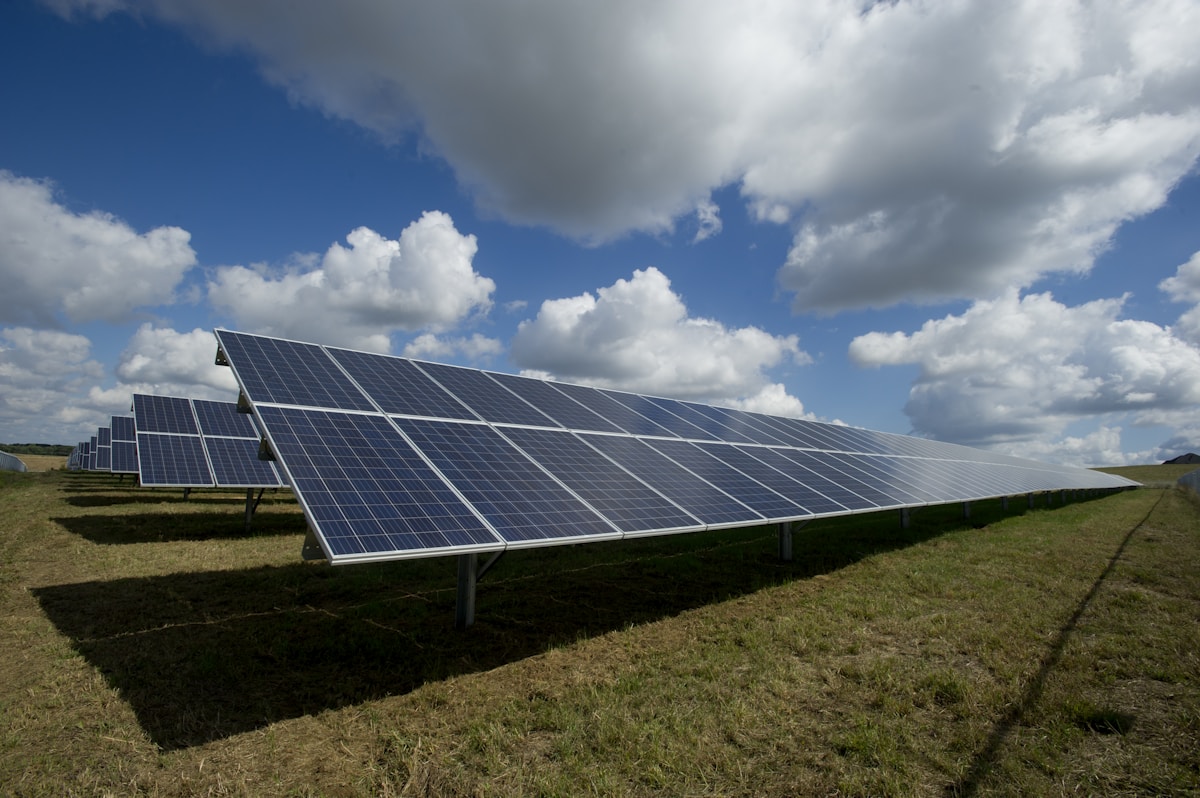
- The average residential solar panel system in Canada costs $15,000 to $35,000 before incentives, but federal and provincial programs can reduce this by $5,000 to $15,000
- The Canada Greener Homes Grant covers up to $5,000 for solar panel installations with no credit check required
- Solar panel systems typically achieve a return on investment within 8 to 15 years in most Canadian provinces
- Net metering programs in most provinces allow homeowners to sell excess electricity back to the grid, generating credits on their utility bills
- Financing options include solar loans (5 to 25 year terms), leases, power purchase agreements, PACE programs, and HELOC borrowing
How Much Do Solar Panels Cost in Canada in 2026?
Solar panel costs have decreased dramatically over the past decade, but they still represent a significant investment. Understanding the true cost helps you evaluate financing options and calculate your return on investment accurately.
Solar Panel System Costs by Size
| System Size | Annual Production (Est.) | Cost Before Incentives | Cost After Federal Grant | Best For |
|---|---|---|---|---|
| 3 kW | 3,600 to 4,200 kWh | $9,000 to $12,000 | $4,000 to $7,000 | Small homes, low electricity use |
| 5 kW | 6,000 to 7,000 kWh | $14,000 to $18,000 | $9,000 to $13,000 | Average Canadian home |
| 8 kW | 9,600 to 11,200 kWh | $20,000 to $28,000 | $15,000 to $23,000 | Larger homes, EV charging |
| 10 kW | 12,000 to 14,000 kWh | $25,000 to $35,000 | $20,000 to $30,000 | High electricity use, net-zero goals |
| 12 kW+ | 14,400+ kWh | $30,000 to $45,000 | $25,000 to $40,000 | Large homes, full energy independence |
What Is Included in a Solar Panel Installation?
A complete residential solar installation includes more than just the panels themselves. Understanding the full scope of costs helps you evaluate quotes and avoid surprise expenses.
| Component | Percentage of Total Cost | Typical Cost | Expected Lifespan |
|---|---|---|---|
| Solar Panels | 30% to 35% | $4,500 to $12,000 | 25 to 30 years |
| Inverter(s) | 10% to 15% | $1,500 to $5,000 | 10 to 15 years (may need replacement) |
| Mounting & Racking | 10% to 12% | $1,500 to $4,000 | 25+ years |
| Electrical Components | 8% to 10% | $1,200 to $3,500 | 25+ years |
| Labour & Installation | 25% to 30% | $3,750 to $10,500 | N/A |
| Permits & Inspections | 3% to 5% | $500 to $1,500 | N/A |
| Monitoring System | 2% to 3% | $300 to $1,000 | Ongoing |
Federal Solar Incentives and Programs
The Canadian federal government offers several programs that can significantly reduce the cost of going solar. These incentives are designed to accelerate the transition to clean energy and are available to homeowners across all provinces and territories.
Canada Greener Homes Grant
The Canada Greener Homes Grant is the primary federal incentive for residential solar installations. It offers grants of up to $5,000 for solar photovoltaic (PV) systems. The grant amount is based on the expected annual energy production of your system.
To qualify, you must own and occupy the home, complete a pre-retrofit EnerGuide home evaluation, and then complete a post-installation evaluation to verify the system is installed and functioning properly. The grant is paid as a reimbursement after installation — you need to pay for the system first and then apply for the grant.
No Credit Check for Government Grants
Government grants like the Canada Greener Homes Grant do not require a credit check. They are based on homeownership and the type of improvement being made, not your credit history. This makes them especially valuable for homeowners with bad credit who might struggle to qualify for traditional financing. Even if your credit score is 500, you can still receive the full $5,000 grant for an eligible solar installation.
Canada Greener Homes Loan
In addition to the grant, the Canada Greener Homes Loan program offers interest-free loans of up to $40,000 for eligible energy-efficient improvements, including solar panels. These loans are repayable over up to 10 years with no interest charges. The credit requirements are more lenient than traditional lenders because the program is designed to be broadly accessible.
Accelerated Capital Cost Allowance
If you use your solar panels for any business purpose — including a home office — you may be able to claim the Accelerated Capital Cost Allowance (CCA) on your tax return. Under Class 43.1 and 43.2, clean energy equipment can be depreciated at 30% to 50% per year, providing significant tax savings for self-employed individuals and small business owners.

Provincial Solar Incentives by Region
Provincial incentives vary dramatically across Canada. Some provinces offer generous rebates and favourable net metering policies, while others provide minimal support. Here is a province-by-province breakdown of what is available in 2026.
| Province | Solar Incentives Available | Net Metering | Average Electricity Rate | Solar Payback Period |
|---|---|---|---|---|
| British Columbia | CleanBC rebates, municipal programs | Yes — 1:1 credit | $0.10 to $0.14/kWh | 12 to 18 years |
| Alberta | Municipal CEIP programs, some utility rebates | Yes — 1:1 credit | $0.12 to $0.18/kWh | 10 to 15 years |
| Saskatchewan | SaskPower Net Metering Program | Yes — 1:1 credit up to 100 kW | $0.14 to $0.17/kWh | 10 to 14 years |
| Manitoba | Limited provincial incentives | Yes — limited program | $0.09 to $0.10/kWh | 15 to 20+ years |
| Ontario | Net metering, some municipal programs | Yes — 1:1 credit | $0.10 to $0.17/kWh (TOU) | 10 to 15 years |
| Quebec | Limited — very low electricity rates | Yes — limited program | $0.06 to $0.08/kWh | 18 to 25+ years |
| Nova Scotia | SolarHomes rebate program | Yes — 1:1 credit | $0.16 to $0.18/kWh | 8 to 12 years |
| New Brunswick | NB Power programs | Yes — 1:1 credit | $0.13 to $0.16/kWh | 10 to 15 years |
| PEI | Solar Electric Rebate Program | Yes — 1:1 credit | $0.15 to $0.17/kWh | 9 to 13 years |
| Newfoundland & Labrador | Limited incentives | Limited | $0.12 to $0.14/kWh | 12 to 18 years |
The provinces where solar makes the most financial sense right now are Nova Scotia, Ontario, Saskatchewan, and Alberta. These provinces combine relatively high electricity rates with good net metering policies and decent solar irradiance. Quebec is the toughest market for solar because electricity is incredibly cheap thanks to hydro power — the payback period can exceed 20 years. But even in Quebec, solar is increasingly popular with homeowners who value energy independence and environmental impact over pure financial return.
Solar Financing Options: A Complete Comparison
Option 1: Solar Loans
A solar loan is the most common way Canadians finance solar panel installations. Like any other loan, you borrow a set amount, pay interest, and make monthly payments over a fixed term. The key difference is that some lenders offer specialized solar loan products with terms designed to align with the energy savings the panels provide.
| Solar Loan Type | Interest Rate | Terms Available | Credit Score Required | Ownership |
|---|---|---|---|---|
| Bank Personal Loan | 6.99% to 14.99% | 1 to 7 years | 650+ | You own the panels |
| Credit Union Green Loan | 5.99% to 12.99% | 1 to 10 years | 600+ | You own the panels |
| Installer Financing | 0% to 8.99% | 5 to 15 years | Varies (600+) | You own the panels |
| HELOC | Prime + 0.5% to 3% | Revolving | 650+ (lower with equity) | You own the panels |
| Canada Greener Homes Loan | 0% | Up to 10 years | Flexible | You own the panels |
| PACE Program | 3% to 6% | 10 to 25 years | No credit check | Attached to property |
Match Your Loan Term to Your Payback Period
Ideally, your solar loan payments should be less than or equal to your monthly electricity savings. This means your solar panels are effectively paying for themselves from day one. If your electricity savings are $150 per month, look for a loan with payments of $150 or less. This may require a longer loan term (10 to 15 years), but it ensures that going solar does not increase your monthly expenses.
Option 2: Solar Leases
With a solar lease, a solar company installs panels on your roof at no upfront cost. You pay a fixed monthly lease payment for the use of the panels, typically for 15 to 25 years. The solar company owns the panels and is responsible for maintenance and repairs.
Solar leases can be attractive for homeowners with bad credit because approval requirements are generally lower than for loans. However, there are significant downsides to consider. You do not own the panels, so you cannot claim government incentives — the leasing company claims those. Your monthly lease payment may increase over time (many leases include annual escalators of 1% to 3%). And if you sell your home, the buyer must agree to take over the lease, which can complicate the sale.
Option 3: Power Purchase Agreements (PPAs)
A Power Purchase Agreement is similar to a lease, but instead of paying a fixed monthly amount for the panels, you pay a set rate per kilowatt-hour of electricity the panels produce. The PPA rate is typically 10% to 30% lower than your local utility rate, providing immediate savings on your electricity bill.
Like leases, PPAs require no upfront cost and have lower credit requirements than loans. The solar company owns and maintains the panels. The downside is that you miss out on government incentives and do not build equity in the system. PPA availability in Canada is more limited than in the United States, but some companies offer them in Ontario, Alberta, and Nova Scotia.
Option 4: PACE Financing
PACE — Property Assessed Clean Energy — is a financing model where the cost of solar panels (and other energy improvements) is added to your property tax bill. Because the financing is attached to the property rather than the homeowner, credit scores are largely irrelevant to approval.
PACE financing is repaid through a special assessment on your property taxes, typically over 10 to 25 years. If you sell your home, the remaining balance transfers to the new owner. PACE programs are currently available in parts of Alberta, Nova Scotia, and a growing number of municipalities across Canada.
Solar ROI Calculations: Does Solar Make Financial Sense?
The financial case for solar depends heavily on where you live in Canada, how much electricity you use, and how you finance the system. Let us walk through detailed ROI calculations for different scenarios.
ROI Calculation: Ontario Example
| Factor | Value |
|---|---|
| System Size | 8 kW |
| Installation Cost | $24,000 |
| Federal Grant | -$5,000 |
| Net Cost | $19,000 |
| Annual Production | 9,600 kWh |
| Average Electricity Rate | $0.14/kWh (blended TOU) |
| Annual Electricity Savings | $1,344 |
| Annual Rate Increase (Est.) | 3% |
| Simple Payback Period | 14.1 years |
| 25-Year Savings (with rate increases) | $48,800 |
| 25-Year Net Profit | $29,800 |
| 25-Year ROI | 157% |
ROI Calculation: Nova Scotia Example
| Factor | Value |
|---|---|
| System Size | 8 kW |
| Installation Cost | $22,000 |
| Federal Grant | -$5,000 |
| Provincial Rebate | -$3,000 |
| Net Cost | $14,000 |
| Annual Production | 9,200 kWh |
| Average Electricity Rate | $0.17/kWh |
| Annual Electricity Savings | $1,564 |
| Annual Rate Increase (Est.) | 3.5% |
| Simple Payback Period | 9.0 years |
| 25-Year Savings (with rate increases) | $57,300 |
| 25-Year Net Profit | $43,300 |
| 25-Year ROI | 309% |
Solar panels are one of the few home improvements that literally pay you back every month. The question is not whether they will pay for themselves — in most Canadian provinces, the math is clear. The question is how to finance them in a way that makes the investment work for your specific financial situation.

Step-by-Step: Going Solar in Canada
-
Assess Your Home's Solar Potential
Not every home is suitable for solar. Ideal conditions include a south-facing roof (southeast or southwest also work), minimal shading from trees or buildings, a roof in good condition with at least 10 to 15 years of life remaining, and sufficient roof space. Use Google’s Project Sunroof or Natural Resources Canada’s solar mapping tools to estimate your home’s solar potential. If your roof needs replacement, consider doing that first — you do not want to remove solar panels for a roof replacement in a few years.
-
Get Multiple Quotes
Obtain at least three quotes from certified solar installers. Look for installers who are members of the Canadian Solar Industries Association (CanSIA) and have experience with installations in your area. Compare not just price, but also panel brands, inverter types, warranty terms, and expected production estimates. Ask for references and check online reviews.
-
Apply for Government Incentives
Before installation, schedule your pre-retrofit EnerGuide evaluation for the Canada Greener Homes Grant. Also research and apply for any provincial or municipal incentives that require pre-approval. Some programs have limited funding and operate on a first-come, first-served basis, so do not delay.
-
Arrange Financing
Based on your credit situation and preferences, choose your financing method. Apply for the Canada Greener Homes Loan if eligible. Compare solar loan rates from banks, credit unions, and installer financing programs. If your credit score is below 600, focus on PACE programs, leases, or PPAs as alternatives.
-
Installation and Interconnection
Once financing is secured, your installer will handle permits, installation (typically 1 to 3 days), and electrical inspection. After installation, your local utility will install a bi-directional meter for net metering and approve your system for grid connection. This process can take 2 to 8 weeks depending on your utility.
-
Claim Your Incentives
After installation, complete your post-retrofit EnerGuide evaluation and submit your grant application. Keep all receipts and documentation. The Canada Greener Homes Grant is paid as a reimbursement, so you will need to have paid for the installation first. Provincial rebates have their own application processes — follow the specific requirements for each program.
Solar Panel Financing with Bad Credit
If your credit score is below 650, your solar financing options are more limited but not nonexistent. Here are the best approaches for Canadian homeowners with poor credit who want to go solar.
Best Options for Bad Credit (Score Under 600)
PACE financing is your strongest option if it is available in your municipality. Since approval is based on your property, not your personal credit, even homeowners with very low scores can qualify. The interest rates on PACE programs (typically 3% to 6%) are significantly lower than what bad credit borrowers would pay on a personal loan.
Solar leases and PPAs are your next best option. These require no upfront cost and have lower credit requirements than loans. While you miss out on ownership benefits and government incentives, you still get lower electricity bills from day one.
The Canada Greener Homes Loan has flexible credit requirements and offers 0% interest. Even if your score is below what banks typically require, the government program may approve your application based on your overall financial picture.
Improving Your Chances of Approval
| Strategy | Potential Score Impact | Timeline | How It Helps Solar Financing |
|---|---|---|---|
| Pay down credit cards to below 30% utilization | +20 to +50 points | 1 to 2 months | Qualifies you for better loan rates |
| Dispute credit report errors | +10 to +100 points | 30 to 90 days | Removes inaccurate negative items |
| Become an authorized user on good account | +10 to +30 points | 1 to 2 months | Adds positive history to your report |
| Apply with a co-signer | N/A (uses their score) | Immediate | Can access prime rates and terms |
| Use HELOC instead of personal loan | N/A | Immediate | Secured by home equity, lower requirements |
Avoid Solar Panel Scams
The growing popularity of solar has attracted scammers who target homeowners with misleading claims. Be wary of door-to-door solar salespeople who promise “free” solar panels, guarantee specific savings without assessing your home, pressure you to sign contracts immediately, or claim government programs will cover the entire cost. Always research any solar company thoroughly, check their reviews, verify their credentials with CanSIA, and never sign a contract without taking time to review it carefully. If an offer sounds too good to be true, it almost certainly is.
Battery Storage: Adding to Your Solar Investment
Home battery storage systems like the Tesla Powerwall, Enphase IQ Battery, and sonnen eco allow you to store excess solar energy for use during evenings, cloudy days, or power outages. While batteries add $10,000 to $20,000 to your solar installation cost, they can increase your energy independence and may qualify for additional incentives.
| Battery System | Capacity | Average Cost (Installed) | Warranty | Best For |
|---|---|---|---|---|
| Tesla Powerwall 3 | 13.5 kWh | $14,000 to $17,000 | 10 years | Whole-home backup, high capacity |
| Enphase IQ Battery 5P | 5 kWh (stackable) | $7,000 to $10,000 | 15 years | Scalable, pairs with Enphase microinverters |
| sonnen eco | 5 to 20 kWh | $12,000 to $25,000 | 10 to 15 years | Premium option, smart energy management |
| BYD Battery-Box | 5 to 12.8 kWh | $8,000 to $15,000 | 10 years | Budget-friendly, modular |
In most Canadian provinces, battery storage is not yet cost-effective on a purely financial basis — the payback period can exceed 15 to 20 years. However, if you experience frequent power outages, want energy independence, or live in an area with time-of-use electricity pricing, a battery system can provide significant value beyond simple dollar savings.

Net Metering: How It Works Across Canada
Net metering is the policy that allows solar panel owners to send excess electricity back to the grid in exchange for credits on their electricity bill. Understanding how net metering works in your province is crucial to calculating the true financial benefit of going solar.
In most Canadian provinces, net metering operates on a 1:1 basis, meaning you receive a credit equal to the full retail rate for each kilowatt-hour you send to the grid. This is the most favourable arrangement for solar homeowners. However, the specifics vary by province — some offer rolling credits that carry forward month to month, while others reset annually.
Solar Panel Maintenance and Long-Term Costs
One of the advantages of solar panels is their low maintenance requirements. Modern solar panels have no moving parts and are designed to withstand Canadian weather conditions, including heavy snow, hail, and extreme temperatures. However, there are some ongoing costs to consider when calculating your long-term investment.
| Maintenance Item | Frequency | Estimated Cost | Notes |
|---|---|---|---|
| Panel Cleaning | 1 to 2 times per year | $150 to $400 | Often handled by rain and snow; professional cleaning may not be necessary |
| Inverter Replacement | Every 10 to 15 years | $1,500 to $3,500 | String inverters last 10 to 15 years; microinverters last 20 to 25 years |
| Annual Inspection | Annually | $100 to $250 | Recommended but not always necessary if monitoring system shows normal performance |
| Snow Removal | As needed | $0 to $200 | Most panels are angled enough for snow to slide off; removal rarely necessary |
| Monitoring System | Ongoing | $0 to $10/month | Many systems include free monitoring apps |
Environmental Impact: The Carbon Footprint Savings
Beyond the financial benefits, solar panels significantly reduce your household’s carbon footprint. The environmental impact varies by province, depending on how your local grid generates electricity. In provinces that rely heavily on coal or natural gas for electricity generation, the carbon reduction from solar is substantial. In provinces like Quebec and Manitoba where hydroelectric power dominates, the direct carbon savings are smaller.
A typical 8 kW residential solar system in Ontario offsets approximately 4 to 6 tonnes of CO2 per year — equivalent to taking one car off the road. Over the 25 to 30 year lifespan of the system, that adds up to 100 to 180 tonnes of avoided CO2 emissions.
Common Mistakes to Avoid When Financing Solar
Solar panel financing can be straightforward, but there are several common mistakes that Canadian homeowners make. Avoiding these pitfalls can save you thousands of dollars and prevent credit damage.
First, do not skip the government incentives. Some homeowners are so eager to get panels installed that they skip the EnerGuide evaluation required for the Greener Homes Grant. That $150 to $600 evaluation can unlock $5,000 or more in grants — it is an investment that pays for itself many times over.
Second, do not over-size your system. A system that produces more electricity than you use does not necessarily save you more money, especially in provinces where excess credits expire annually. Size your system to match your actual electricity consumption, accounting for any planned increases like an electric vehicle.
Third, do not ignore the fine print on solar leases and PPAs. Annual escalator clauses, early termination fees, and roof damage liability can significantly reduce the financial benefit of these arrangements. Read every word of the contract and have a lawyer review it if possible.
Fourth, do not forget about roof condition. If your roof needs replacement within the next 10 years, do that first. Removing and reinstalling solar panels for a roof replacement can cost $2,000 to $5,000 and may void your panel warranty.
Join 10,000+ Canadians who started their credit journey with Credit Resources.
GET STARTED NOWFrequently Asked Questions
Savings depend on your system size, electricity consumption, local electricity rates, and net metering policy. On average, a properly sized solar system can reduce your electricity bill by 50% to 90%. For a typical Ontario home paying $200 per month for electricity, solar could save $100 to $180 per month, or $1,200 to $2,160 per year. Over 25 years, with electricity rate increases factored in, total savings can reach $40,000 to $60,000 or more.
Yes. Several financing options are available regardless of credit score. PACE programs (available in some municipalities) base approval on your property, not your credit. Solar leases and PPAs have lower credit requirements than traditional loans. The Canada Greener Homes Grant requires no credit check at all. If your credit score is below 600, focus on these options rather than traditional bank loans. You can also improve your credit score over 3 to 6 months to qualify for better loan terms before installing.
Yes, solar panels work effectively in Canada despite cold winters. Solar panels actually perform better in cold temperatures than in extreme heat. While winter days are shorter and produce less energy, Canada’s long summer days compensate with high production. Annual solar irradiance in southern Canada is comparable to many parts of Germany, which is one of the world’s leaders in solar adoption. The key metric is total annual production, not daily winter output.
If you own your solar panels outright or through a loan, they increase your home’s value. Studies suggest solar panels add approximately $15,000 to $20,000 to a home’s resale value in Canada. If you have a solar lease or PPA, the buyer must agree to assume the remaining contract — this can sometimes complicate a sale. If you financed through PACE, the remaining payments transfer to the new owner through property taxes. For owned systems with a loan, you would typically pay off the loan from the sale proceeds.
Modern solar panels are designed to last 25 to 30 years and come with manufacturer warranties of 25 years for both product and performance. Most panels are warranted to produce at least 80% to 85% of their original output after 25 years. In practice, many panels continue to function well beyond their warranty period. Canadian weather conditions — including snow, ice, and extreme temperatures — do not significantly reduce panel lifespan, as panels are tested to withstand these conditions.
With a solar loan, you borrow money to purchase the panels, own them outright, and are eligible for all government incentives. You make loan payments and also save on electricity. Once the loan is paid off, your electricity savings are pure profit. With a solar lease, a company owns the panels on your roof and you pay a monthly lease fee. You save on electricity but do not own the panels or qualify for incentives. Leases typically require lower credit scores but offer lower long-term financial returns.
Yes, solar panel installation in Canada requires permits from your municipal building department and approval from your local electrical safety authority. Your installer should handle the permit process as part of the installation. Typical permit costs range from $200 to $500 depending on your municipality. Some homeowners associations may also have rules about solar panel placement and appearance, so check your HOA bylaws before proceeding.
Final Thoughts: Making Solar Work for Your Budget
Solar energy is one of the smartest investments a Canadian homeowner can make in 2026. With equipment costs at historic lows, generous government incentives, and multiple financing options available, there has never been a better time to go solar. The key is choosing the right financing approach for your specific situation — your credit score, home equity, and financial goals should all factor into your decision.
If you have good credit, a solar loan or HELOC offers the best long-term value because you own the panels and claim all incentives. If your credit is fair, look into credit union green loans and the Canada Greener Homes Loan program. If your credit is poor, PACE financing, solar leases, and PPAs can still get panels on your roof without requiring a strong credit history.
Regardless of your financing method, start with the government incentives — the Canada Greener Homes Grant alone can reduce your costs by $5,000, and provincial programs can add thousands more. Do your research, get multiple quotes, and make an informed decision. The sun is a free, unlimited energy source — the only cost is capturing it.
Related Canadian Credit Guides
- Smart Home Technology Financing in Canada: Complete Guide to Costs, Loans, and ROI
- Business Line of Credit in Canada: Requirements, Rates & Bad Credit Options (2026)
- Canadian Franchise Financing: How to Buy a Franchise With Bad Credit
- How to Finance a Wheelchair-Accessible Vehicle in Canada
- Employer Salary Advances in Canada: An Alternative to Payday Loans

Complete Guide to Personal Loan Types in Canada
Personal loans in Canada come in numerous forms, each designed for specific financial needs and borrower profiles. Understanding the differences helps you choose the most cost-effective option for your situation.
Unsecured personal loans are the most common type, requiring no collateral. Major banks offer unsecured loans from $5,000 to $50,000 with rates typically from 6.99 to 12.99 percent for well-qualified borrowers. Online lenders extend this range to accommodate lower credit scores at higher rates up to 35 percent.
Effective January 2025, Canada’s Criminal Code reduced the criminal interest rate to 35 percent for most loans. However, payday loans remain exempt and can charge the equivalent of 300 to 500 percent annualized interest. If considering a payday loan, explore every alternative first: credit card cash advances, credit union emergency loans, employer salary advances, and community assistance programs all provide less expensive options.
Secured personal loans use an asset as collateral, offering lower rates — often 2 to 5 percentage points less than unsecured alternatives. Home equity lines of credit are a form of secured loan offering the lowest personal borrowing rates, typically prime plus 0.50 to 1.50 percent, but putting your home at risk.
Lines of credit differ from term loans in their revolving nature — you can borrow, repay, and borrow again up to your limit without reapplying. This flexibility is ideal for ongoing expenses, but the minimum interest-only payment means borrowers who pay only the minimum never reduce their principal.
When comparing loan offers, focus on the total cost of borrowing rather than the monthly payment. A $20,000 loan at 8 percent over three years costs $2,527 in total interest, while the same loan over five years costs $4,332 — 71 percent more. Always calculate total interest before choosing a loan term.
Comparing Canadian Lending Options Side by Side
With dozens of lending institutions and hundreds of products available, comparing Canadian lending options can feel overwhelming. A systematic approach to comparison ensures you find the most favourable terms for your specific situation while avoiding costly mistakes.
The Annual Percentage Rate (APR) is the most important comparison metric because it includes both the interest rate and most fees, giving you the true cost of borrowing. However, some fees like prepayment penalties, account maintenance charges, and optional insurance premiums may not be included in the APR, so always request a complete fee schedule from each lender.
Big Five banks offer the most comprehensive product suites and the convenience of branch access, but they rarely offer the lowest rates. Credit unions frequently undercut bank rates by 0.50 to 1.50 percent on personal loans and lines of credit. Online lenders provide convenience and fast approval but rates vary enormously from competitive to predatory.
Pre-approval from multiple lenders is the most effective comparison strategy. Most personal loan pre-approvals involve only a soft credit check that does not affect your credit score, allowing you to shop freely. Once you have three or more pre-approved offers, compare not just the rate but also the loan term flexibility, prepayment options, payment frequency choices, and any additional fees.
The total cost of borrowing disclosure, which Canadian lenders are legally required to provide, gives you the bottom-line figure for comparison. This disclosure shows the total amount you will pay over the life of the loan, including all interest and mandatory fees. Comparing total cost of borrowing figures across lender offers is the most reliable way to identify the cheapest option.
Alternatives to Traditional Loans in Canada
Before committing to a personal loan, consider whether alternative funding sources might better serve your needs. Several options can provide access to funds at lower cost or with more flexible terms than traditional lending products.
Borrowing from your TFSA is effectively an interest-free loan to yourself. TFSA withdrawals are tax-free and the contribution room is restored the following calendar year. If you have a short-term funding need and sufficient TFSA savings, this approach eliminates interest costs entirely. However, be disciplined about replenishing the funds to maintain your long-term savings plan.
While not as established as in the United States, peer-to-peer lending platforms are growing in Canada. These platforms connect borrowers directly with individual investors, sometimes offering rates that are competitive with traditional lenders. Lending Loop and goPeer are examples of Canadian P2P platforms, though the industry is still maturing and loan amounts tend to be smaller than what banks offer.
Low-interest credit union programs are available across Canada for members facing financial difficulty. Many credit unions offer emergency loan programs with rates well below those of commercial lenders, specifically designed for members who might otherwise turn to payday lenders. These programs sometimes include financial counselling as part of the lending relationship.
Community microfinance organizations provide small loans to Canadians who do not qualify for traditional credit. Programs like Windmill Lending focus on newcomers to Canada, while organizations like the Canadian Alternative Investment Cooperative provide loans for small business and self-employment purposes. These programs consider factors beyond credit scores in their approval process.
Government assistance programs at the federal and provincial level can sometimes address the underlying need that a loan would serve. Emergency provincial assistance, the Canada Workers Benefit, and various disability and housing support programs may provide grants or non-repayable assistance for qualifying Canadians.
Understanding the Canadian Regulatory Framework
Canada’s financial regulatory environment provides some of the strongest consumer protections in the world. The Financial Consumer Agency of Canada (FCAC) serves as the primary federal watchdog, overseeing banks, federally regulated credit unions, and insurance companies to ensure they comply with consumer protection measures established under federal legislation.
Each province and territory also maintains its own consumer protection office that handles complaints and enforces provincial lending laws. For instance, Ontario’s Consumer Protection Act sets specific rules about disclosure requirements for credit agreements, while British Columbia’s Business Practices and Consumer Protection Act provides additional safeguards against unfair lending practices.
The Office of the Superintendent of Financial Institutions (OSFI) regulates federally chartered banks and insurance companies. The FCAC ensures these institutions follow consumer protection rules. Provincial regulators handle credit unions, payday lenders, and collection agencies within their jurisdictions. Understanding which regulator oversees your financial institution helps you file complaints effectively and exercise your consumer rights.
The Bank Act, which governs all federally chartered banks in Canada, requires financial institutions to provide clear disclosure of all fees, interest rates, and terms before you enter into any credit agreement. This includes a mandatory cooling-off period for certain financial products, giving you time to reconsider your decision without penalty.
Recent amendments to Canada’s financial legislation have strengthened protections around electronic banking, mobile payments, and online lending platforms. These changes reflect the evolving financial landscape and ensure that digital-first financial services must meet the same consumer protection standards as traditional banking channels. The implementation of open banking regulations further ensures that consumer data portability rights are protected as the financial ecosystem becomes more interconnected.

Start Building Better Credit Today
Join 10,000+ Canadians who took control of their financial future with our proven credit-building tools.