

When every dollar counts, Canadians dealing with financial hardship or working to rebuild their credit need to stretch their money as far as humanly possible. Dollar stores like Dollarama, Dollar Tree Canada, and other discount retailers have become essential lifelines for budget-conscious Canadians — but only if you know what to buy, what to avoid, and how to build a complete frugality strategy around them.
This guide goes far beyond just telling you to shop at the dollar store. We’re going to build a complete extreme budgeting system that combines dollar store shopping with meal planning, savings challenges, and smart spending habits that can free up hundreds of dollars per month — money you can redirect toward paying down debt, building an emergency fund, or improving your credit score.
- Strategic dollar store shopping can save Canadian families $200-$400+ per month compared to regular retail pricing
- Not everything at dollar stores is a good deal — knowing what to buy and what to skip is critical
- Combining dollar store shopping with meal planning on an extreme budget can feed a family of four for $400-$500 per month
- Savings challenge methods like the 52-week challenge or the no-spend challenge can accelerate debt payoff dramatically
- Every dollar saved through frugality is a dollar that can go toward rebuilding your financial foundation and credit score
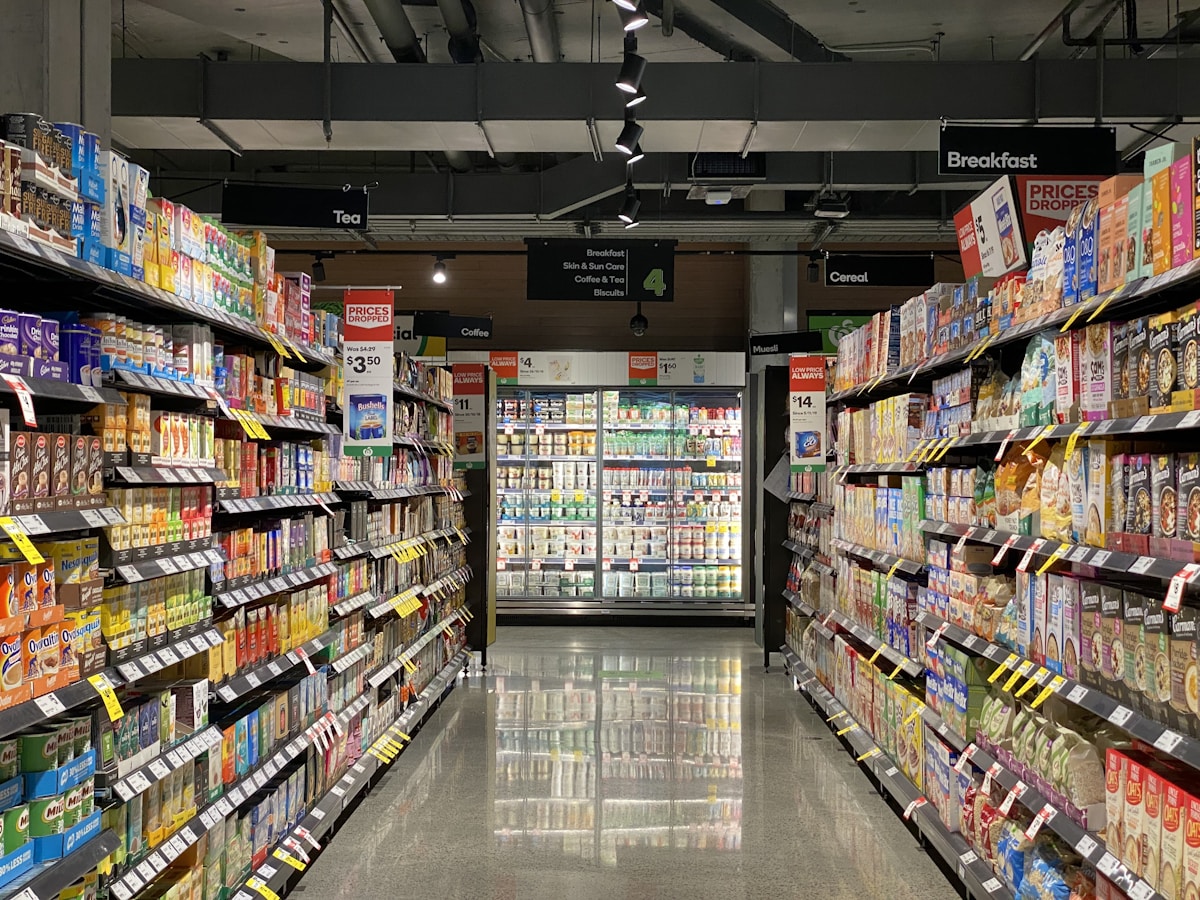
The Canadian Dollar Store Landscape
Canada’s dollar store market has evolved significantly. Understanding the major players and their pricing structures helps you shop smarter and save more.
Dollarama: Canada’s Dollar Store Giant
Dollarama is Canada’s largest dollar store chain with over 1,500 locations across the country. Despite the name, Dollarama is no longer a true “dollar store” — items range from $1.00 to $5.00 (with some seasonal items priced higher). However, it remains one of the most affordable places to shop for household essentials, party supplies, cleaning products, and basic groceries.
Best time to shop Dollarama: New shipments typically arrive mid-week (Tuesday-Wednesday). Shopping early in the week gives you the best selection. Seasonal items go on clearance at deep discounts — stock up on wrapping paper, cards, and decorations after each holiday.
Dollar Tree Canada
Dollar Tree Canada operates with a slightly different model — most items are priced at $1.25 or multiples thereof. After acquiring Family Dollar (primarily US), Dollar Tree has expanded its Canadian footprint. Some items at Dollar Tree are actually cheaper than Dollarama for comparable products, particularly in cleaning supplies and paper goods.
Other Discount Retailers Worth Knowing
| Store | Price Range | Best For | Coverage |
|---|---|---|---|
| Giant Tiger | Discount pricing | Groceries, clothing, household items | Primarily Ontario, Atlantic Canada, expanding westward |
| Dollarama | $1.00-$5.00 | Household goods, cleaning, snacks, party supplies | National (1,500+ locations) |
| Dollar Tree | $1.25+ | Cleaning supplies, paper goods, crafts | National (growing) |
| Miniso | $2.00-$15.00 | Electronics accessories, personal care, home items | Major cities |
| No Frills | Discount grocery | Groceries (PC No Name brand) | National |
| FreshCo | Discount grocery | Groceries, ethnic food sections | Ontario, Western Canada |
| Food Basics | Discount grocery | Groceries | Ontario |
What to Buy at Dollar Stores (The Smart Buys)
Not everything at the dollar store is a bargain — but many items offer genuinely unbeatable value. Here’s your definitive guide to what’s worth buying at Dollarama and Dollar Tree Canada.
-
Cleaning Supplies — Best Dollar Store Category
Cleaning supplies are consistently the best deals at dollar stores. Generic cleaning products like dish soap, all-purpose cleaners, bleach, glass cleaner, and laundry detergent work just as well as name brands in most cases. The active ingredients are the same — you’re just not paying for the brand name and marketing. Stock up on: dish soap, sponges, rubber gloves, spray bottles, scrub brushes, garbage bags, and basic cleaning solutions.
-
Paper Products and Disposables
Napkins, paper plates, plastic utensils, aluminum foil, plastic wrap, parchment paper, and zip-lock style bags are typically much cheaper at dollar stores than grocery stores. Dollar store garbage bags are comparable to name brands for regular household use (skip them for heavy-duty needs). Facial tissue and paper towels are decent deals, though quality varies — test one package before buying in bulk.
-
Party Supplies and Gift Wrap
This is where dollar stores absolutely dominate. Birthday decorations, balloons, gift bags, tissue paper, wrapping paper, greeting cards, and party favours cost a fraction of what you’d pay at a card shop or department store. A greeting card that costs $5-$8 at Hallmark costs $1-$2 at Dollarama — and many are surprisingly nice quality.
-
School and Office Supplies
Notebooks, pens, pencils, erasers, rulers, glue sticks, tape, scissors, file folders, and envelopes are all solid buys at dollar stores. The quality is perfectly adequate for everyday use. During back-to-school season, dollar stores are dramatically cheaper than office supply stores.
-
Kitchen Essentials and Storage
Basic kitchen tools like spatulas, wooden spoons, measuring cups, can openers, vegetable peelers, and cutting boards work fine from dollar stores. Plastic storage containers, glass jars, and organization bins are significantly cheaper than at kitchen specialty stores or department stores.
-
Personal Care Basics
Basic personal care items like toothbrushes, cotton balls, bobby pins, hair elastics, nail files, and cotton swabs are all fine from dollar stores. Name-brand items like Dove soap or Colgate toothpaste sometimes appear at dollar stores at below-grocery-store prices — grab these when you see them.
The Unit Price Test
Always calculate the unit price (price per gram, per millilitre, or per item) when comparing dollar store products to grocery store products. Sometimes what looks cheaper at the dollar store is actually more expensive per unit because of smaller packaging. Use your phone’s calculator app to quickly divide total price by total weight/volume. Keep a small list of unit prices for items you buy regularly so you always know the best deal.
What to Avoid at Dollar Stores (The Money Traps)
Not everything at the dollar store is a deal. Some products are lower quality, smaller sizes, or actually more expensive per unit than what you’d find at a regular retailer. Here’s what to skip.
| Product Category | Why to Avoid | Better Alternative |
|---|---|---|
| Batteries | Cheap batteries die much faster — cost more per hour of use | Costco Kirkland or Amazon Basics batteries in bulk |
| Electronics/Chargers | Poor quality, potential safety hazard, break quickly | Amazon Basics or Anker products |
| Vitamins/Supplements | May have lower potency, quality control concerns | Costco or pharmacy brands |
| Canned Goods (some) | Often smaller sizes that cost more per gram than grocery stores | No Frills, FreshCo, or Walmart Great Value |
| Spices (small containers) | Tiny jars have very high per-gram costs | Bulk Barn or ethnic grocery stores |
| Tools | Break easily, can be unsafe | Canadian Tire sales, garage sales, or Habitat ReStore |
| Plastic Toys | Break immediately, potential safety concerns for young children | Thrift stores, Facebook Marketplace |
| Sunscreen/SPF Products | May not meet labelled SPF protection levels | Pharmacy brands (Neutrogena, Coppertone) |
| Electrical Adapters/Power Bars | Potential fire hazard, not CSA certified | Canadian Tire or hardware store (CSA certified) |
The biggest mistake I see clients make with dollar store shopping is buying things they don’t need just because they’re cheap. A $3 item you don’t need is more expensive than a $0 item you didn’t buy. Go in with a list and stick to it. Impulse buying at dollar stores is still impulse buying — and it adds up fast.
The goal of extreme frugality isn’t to live a life of deprivation — it’s to create breathing room in your budget so you can build the financial foundation that leads to lasting stability and freedom.

Extreme Budget Meal Planning: Feeding Your Family for Less
Groceries are typically the second-largest household expense after housing. For Canadians on extremely tight budgets, strategic meal planning combined with discount shopping can cut food costs by 40-60% without sacrificing nutrition.
The Extreme Budget Pantry Staples
Building a well-stocked pantry of inexpensive staples is the foundation of budget cooking. These items provide maximum nutrition per dollar and form the base of hundreds of meals.
| Staple Item | Approx. Cost | Meals It Makes | Best Place to Buy |
|---|---|---|---|
| Rice (10 kg bag) | $12-$18 | 50+ servings | Ethnic grocery stores, Costco |
| Dried lentils (1 kg) | $3-$5 | 15-20 servings | Bulk Barn, ethnic grocery stores |
| Dried beans (1 kg) | $3-$5 | 15-20 servings | Bulk Barn, No Frills |
| Oats (large container) | $4-$6 | 30+ servings | No Frills, Walmart |
| Flour (10 kg bag) | $10-$14 | Hundreds of servings | Costco, Walmart |
| Canned tomatoes (case) | $12-$18/case of 12 | 12+ meals | No Frills, FreshCo (sales) |
| Eggs (30 pack) | $8-$12 | 15+ meals | Costco, No Frills |
| Frozen vegetables (large bags) | $3-$5 | 8-10 servings | No Frills, FreshCo, Walmart |
| Potatoes (10 lb bag) | $5-$8 | 20+ servings | No Frills, FreshCo, farms |
| Pasta (900g box) | $1.50-$3 | 8-10 servings | No Frills, Dollarama |
One-Week Extreme Budget Meal Plan (Family of Four — Under $100)
Here’s a realistic one-week meal plan that feeds a family of four for under $100 using Canadian discount grocery prices. Every meal is nutritious, filling, and genuinely tasty.
| Day | Breakfast | Lunch | Dinner |
|---|---|---|---|
| Monday | Oatmeal with banana | Lentil soup with bread | Rice and bean burritos with salsa |
| Tuesday | Scrambled eggs on toast | Leftover lentil soup | Pasta with tomato sauce and frozen vegetables |
| Wednesday | Oatmeal with peanut butter | Bean and cheese quesadillas | Potato and onion curry with rice |
| Thursday | Toast with peanut butter | Fried rice with eggs and vegetables | Black bean soup with cornbread |
| Friday | Pancakes (from scratch — pennies per serving) | Leftover black bean soup | Baked potatoes with beans and cheese |
| Saturday | Eggs and toast | Grilled cheese with tomato soup | Chickpea stew with rice |
| Sunday | French toast (from day-old bread) | Leftover chickpea stew | Pasta e fagioli (pasta and bean soup) |
The Secret Weapon: Ethnic Grocery Stores
Ethnic grocery stores (Chinese, South Asian, Middle Eastern, Caribbean, etc.) are consistently 30-50% cheaper than mainstream grocery stores for staples like rice, beans, lentils, spices, produce, tofu, and noodles. If you have ethnic grocery stores in your area, they should be your first stop for pantry staples. Spices alone can save you a fortune — a jar of cumin that costs $6 at a regular grocery store might cost $2-$3 at an Indian grocery store for a larger quantity.
Budget Cooking Skills That Save Hundreds
Mastering a few basic cooking skills eliminates the need for expensive convenience foods and dramatically expands what you can make on a tiny budget.
Make Bread From Scratch: A loaf of basic bread costs about $0.50-$0.75 in ingredients versus $3-$5 at the store. Basic bread requires only flour, water, yeast, salt, and a bit of sugar. No-knead recipes are foolproof and take only 5 minutes of active time. A $3 packet of yeast makes 4-5 loaves.
Cook Dried Beans Instead of Canned: Dried beans cost about one-third the price of canned beans and taste better. Soak overnight, then cook in a pot or slow cooker. One cup of dried beans yields about 3 cups cooked — equivalent to about 2 cans. Batch cook and freeze in portions for convenience.
Master Five Base Recipes: Most budget meals are variations on a few bases: a basic tomato sauce, a simple curry sauce, a soup/stew base, a stir-fry sauce, and a basic bread/pancake batter. Once you can make these five things, you can create dozens of different meals by swapping proteins, vegetables, and seasonings.
Embrace Batch Cooking: Spending 2-3 hours on Sunday cooking for the week saves both money and time. Make a big pot of soup, a batch of rice, a pot of beans, and perhaps a casserole or stew. This eliminates the temptation to order takeout on busy weeknights — which is one of the biggest budget-killers for Canadian families.
The families I work with who are most successful at extreme budgeting all have one thing in common: they batch cook on weekends. When you have ready-to-eat meals in the fridge and freezer, you eliminate the two biggest threats to any food budget — takeout and convenience foods. A Sunday afternoon of cooking can literally save $200-$300 per month for a family.
Advanced Dollar Store and Discount Shopping Strategies
The “Hybrid Shopping” Method
The most effective budget shoppers don’t rely on any single store. Instead, they use a hybrid approach that gets the best price on every item by shopping strategically across multiple stores.
-
Create Your Master Price List
Over the next 2-3 weeks, track prices for items you regularly buy across all stores you visit. Record the item, size, price, and calculated unit price. This becomes your master reference for where to buy each item. It takes effort upfront but saves money forever after. Use a simple spreadsheet on your phone or a notebook you keep in your purse/wallet.
-
Assign Items to Stores
Based on your price list, assign each regular purchase to its cheapest source. You might buy cleaning supplies at Dollarama, produce at an ethnic grocery store, staples at No Frills, and bulk items at Costco (if you have a membership or can share one). This maximizes savings without requiring you to visit every store every week.
-
Plan Shopping Routes
Group your discount stores geographically and plan efficient shopping routes. Many Canadians find that a bi-weekly major shopping trip to 2-3 stores, supplemented by a weekly produce run, works best. Factor in gas costs — driving across town to save $2 doesn’t make financial sense.
-
Stack Savings with Flyers and Apps
Use the Flipp app to browse flyers digitally and find the best weekly deals. Combine sale prices with PC Optimum points at No Frills/Shoppers, Scene+ points at FreshCo/Sobeys, and cashback apps like Checkout 51 and Caddle. Stacking these savings multiplies your discount on every purchase.
-
Buy Loss Leaders Strategically
Every week, grocery stores sell certain items below cost (“loss leaders”) to get you in the door. These are advertised on the front page of flyers and typically include bread, milk, eggs, meat, or produce. Buy only the loss leaders without shopping the rest of the store — this is how extreme savers exploit the system.

Savings Challenge Methods: Turning Frugality into Real Financial Progress
Saving money on purchases is only valuable if you actually redirect those savings toward your financial goals. Savings challenges provide structure, motivation, and accountability. Here are the most effective challenges for Canadians working to improve their financial situation.
The 52-Week Savings Challenge (Canadian Edition)
The classic 52-week challenge has you save an increasing amount each week: $1 in week 1, $2 in week 2, and so on up to $52 in week 52. By year’s end, you’ll have saved $1,378.
Modified version for tight budgets: Start with $0.50 increments instead of $1. Save $0.50 in week 1, $1.00 in week 2, up to $26 in week 52. Total saved: $689 — still meaningful and more achievable on a tight budget.
Reverse 52-Week Challenge: Start with the highest amount ($52) and decrease each week. This front-loads the savings when motivation is highest and makes the end of the year easier. You save the same total but it feels more manageable as the year progresses.
| Challenge Version | Weekly Range | Total Saved | Best For |
|---|---|---|---|
| Standard 52-Week | $1-$52 | $1,378 | Moderate budgets |
| Half 52-Week | $0.50-$26 | $689 | Very tight budgets |
| Double 52-Week | $2-$104 | $2,756 | Those with more room |
| Reverse 52-Week | $52-$1 | $1,378 | Front-loading motivation |
| Bi-Weekly (26 weeks) | $2-$52 | $702 | Paid bi-weekly |
The No-Spend Challenge
A no-spend challenge involves committing to spending absolutely nothing beyond essential bills (rent, utilities, minimum debt payments) and basic groceries for a set period — typically one week to one month.
Rules:
- Pay only fixed bills (rent/mortgage, utilities, insurance, minimum debt payments)
- Buy only essential groceries (use up what’s in your pantry and freezer first)
- No eating out, no takeout, no coffee shops
- No shopping — no clothing, no household items, no online shopping
- No paid entertainment — use free alternatives (library, parks, free community events)
- Track every temptation to spend and the amount you would have spent
Many Canadians who complete a 30-day no-spend challenge discover they save $500-$1,500 — money they didn’t realize they were spending on non-essentials. The challenge also resets spending habits and reveals your actual “needs” versus “wants.”
The Envelope Method for Ongoing Budgeting
After completing a no-spend challenge, transition to the envelope budgeting method to maintain discipline. Withdraw your monthly variable spending budget in cash and divide it into labelled envelopes: Groceries, Transportation, Personal Care, Entertainment, etc. When an envelope is empty, spending in that category stops for the month. This tactile, visual system is remarkably effective for people who struggle with overspending — you literally see and feel your money decreasing, which creates powerful spending awareness.
The Debt Snowball Accelerator
Combine your savings from frugal living with a debt repayment strategy for maximum impact. The debt snowball method has you list all debts from smallest to largest balance, make minimum payments on everything, and throw every extra dollar at the smallest debt. When it’s paid off, roll that payment to the next smallest debt.
Here’s how dollar store savings accelerate this:
| Monthly Savings Source | Estimated Monthly Savings | Annual Impact on Debt |
|---|---|---|
| Dollar store for cleaning/household | $40-$60 | $480-$720 |
| Extreme budget meal planning | $150-$300 | $1,800-$3,600 |
| No-spend challenge (1 per quarter) | $125-$375 (averaged) | $500-$1,500 |
| Cutting subscription services | $50-$150 | $600-$1,800 |
| Cashback apps and rewards | $20-$50 | $240-$600 |
| TOTAL POTENTIAL | $385-$935 | $3,620-$8,220 |
Extreme frugality isn’t about suffering — it’s a temporary, strategic choice. Every dollar you redirect from spending to debt repayment brings you closer to financial freedom and a better credit score. Most people only need 12-24 months of intense focus to transform their financial situation.

Dollar Store Hacks for Every Room in Your Home
Kitchen Hacks
- Storage organization: Dollar store bins and baskets organize pantries, fridges, and under-sink areas for a fraction of what Container Store or IKEA charges
- Meal prep containers: Glass or plastic containers at dollar stores work perfectly for meal prepping — buy a dozen for the price of one set at a kitchen store
- Spice organization: Small dollar store jars with labels create a uniform, organized spice rack
- Cleaning caddy: A dollar store caddy stocked with dollar store cleaning supplies keeps everything portable and organized
Bathroom Hacks
- Buy generic personal care: Dollar store cotton balls, cotton swabs, nail files, hair elastics, and bobby pins are identical to drugstore versions
- Organization: Small bins and drawer organizers from the dollar store tame bathroom clutter
- Travel sizes: Dollar store travel containers for decanting shampoo, conditioner, and lotion cost a fraction of drugstore travel bottles
Laundry Hacks
- Dollar store stain remover: Generic stain removers work well for everyday stains
- DIY laundry detergent: Make your own with dollar store bar soap (grated), washing soda, and borax — costs about $0.05 per load versus $0.25-$0.50 for commercial detergent
- Dryer balls: Dollar store dryer balls replace expensive dryer sheets and last for hundreds of loads
The Hidden Dollar Store Goldmine: Gift Giving
One of the biggest budget-busters for Canadian families is gift giving — birthdays, holidays, teacher gifts, and hostess gifts can add up to thousands per year. Dollar stores can cut this expense by 60-80%. Assemble gift baskets using dollar store items: a nice mug, hot chocolate packets, and a candle make a lovely gift for $5-$8. Add a dollar store gift bag and tissue paper. For children’s birthday parties, dollar store craft supplies, colouring books, and small toys make perfectly acceptable gifts that kids actually enjoy.
Free and Nearly-Free Entertainment for Canadian Families
Entertainment is often the first budget category cut during financial hardship, but that doesn’t mean life has to be joyless. Canada offers abundant free and low-cost entertainment options.
Libraries: Canadian public libraries are extraordinary resources that go far beyond books. Most offer free: books, audiobooks, e-books, DVDs/Blu-rays, magazines, newspaper access, Wi-Fi and computer access, community programs and workshops, children’s story time and activities, museum/attraction passes (many library systems lend passes to local museums, galleries, and attractions), and seed libraries for gardening.
Free Community Events: Check your municipality’s website, community centre bulletin boards, and local Facebook groups for free events. Many communities offer free outdoor movie nights, concerts in the park, festivals, farmers’ markets (free to browse), and seasonal celebrations.
Nature and Parks: Canada’s provincial and municipal parks are free or very low-cost. Hiking, biking, swimming at public beaches, picnics, and playground visits cost nothing. Many provincial parks offer free day-use entry (you only pay for camping). Parks Canada offers free admission for youth 17 and under and periodic free admission days for adults.
Free Fitness: Skip the gym membership and use free alternatives: running, walking, YouTube workout videos (thousands of free full-length workouts), outdoor fitness parks (many municipalities have installed these), community centre drop-in programs (some are free or very low-cost), and the free Nike Training Club app.
The Psychology of Extreme Frugality: Staying Motivated
Living on an extreme budget is mentally challenging. Understanding the psychological aspects helps you stick with it when motivation wanes.
-
Define Your 'Why' — And Make It Visible
Write down exactly why you’re living frugally. Is it to pay off $15,000 in debt? To build a 3-month emergency fund? To improve your credit score so you can qualify for a mortgage? Put this “why” somewhere you’ll see it daily — on your bathroom mirror, as your phone wallpaper, or on the fridge. When you’re tempted to overspend, your “why” keeps you anchored.
-
Track Progress Visually
Create a visual tracker for your financial goal. A simple chart on the fridge showing your debt decreasing or your savings increasing provides powerful motivation. Colour in a section each time you make a payment or hit a milestone. The visual progress is deeply satisfying and reinforces your commitment.
-
Celebrate Milestones (Frugally)
Set milestones and celebrate them with free or nearly-free rewards. Paid off $1,000? Have a movie night at home with homemade popcorn. Hit your emergency fund target? Take a free hike to a scenic spot. Built your credit score to 650? Have a picnic in the park. Celebrations don’t require spending money — they require intention.
-
Find Your Community
Connect with like-minded people for support and tips. Online communities like the Reddit forums r/PersonalFinanceCanada, r/Frugal, and r/EatCheapAndHealthy are full of Canadians sharing strategies. Locally, some communities have “buy nothing” groups, frugal living meetups, and financial literacy workshops. Surrounding yourself with people who share your values makes the journey easier.
-
Remember: This Is Temporary
Extreme frugality doesn’t have to be forever. For most people, 12-24 months of intense focus is enough to eliminate consumer debt, build an emergency fund, and establish better financial habits. Knowing there’s an end point makes the present sacrifices more bearable. You’re not depriving yourself permanently — you’re investing in your future.
The most important thing I tell my clients about extreme budgeting is to avoid an all-or-nothing mindset. If you slip up and overspend one day, it doesn’t mean you’ve failed. Just like a diet, one bad meal doesn’t undo months of healthy eating. Acknowledge the slip, learn from it, and get back on track. Perfectionism is the enemy of progress in personal finance.

Building Credit While Living Frugally
Extreme frugality and credit building go hand in hand. The money you save through dollar store shopping and budget living can directly improve your credit situation. Here’s how to connect the two.
Use a Secured Credit Card for Planned Purchases: If you have bad credit or no credit, a secured credit card is your best tool for building credit history. Use it only for purchases you’ve already budgeted for — like your monthly dollar store run or groceries — and pay the balance in full every month. This builds positive payment history without costing you a cent in interest.
Redirect Savings to Debt Payments: Every dollar you save through frugal living should have a purpose. Allocate savings in this priority order: minimum debt payments (always), emergency fund (until you have $1,000-$2,000), then extra debt payments using the snowball or avalanche method. As debt decreases, your credit utilization ratio improves, which directly boosts your credit score.
Avoid New Debt: The whole point of extreme frugality is to live within your means using cash — no credit cards for unplanned purchases, no payday loans, no buy-now-pay-later services. Each month you go without new debt is a month your credit profile improves.
Join 10,000+ Canadians who started their credit journey with Credit Resources.
GET STARTED NOWSeasonal Dollar Store and Budget Shopping Calendar
Timing your purchases with seasonal patterns maximizes savings throughout the year.
| Month | Best Deals | Strategy |
|---|---|---|
| January | Christmas clearance, winter items | Stock up on wrapping paper, cards, decorations at 50-75% off for next year |
| February | Valentine’s clearance, winter clothing | Buy discounted chocolate, candy for treats; winter clothing at deep discounts |
| March-April | Easter clearance, spring cleaning supplies | Stock up on cleaning supplies; buy Easter candy at clearance prices |
| May-June | Garden supplies, outdoor items | Dollar store garden tools, pots, and seeds are excellent budget options |
| July-August | Summer clearance, back-to-school | Buy school supplies at dollar stores early before popular items sell out |
| September | Back-to-school clearance, fall items | Grab remaining school supplies at clearance; stock up for the year |
| October | Thanksgiving deals, Halloween clearance | Turkey and produce sales at grocery stores; Halloween candy clearance Nov 1 |
| November | Black Friday, early holiday sales | Focus on true needs, not “deals” — impulse buying on Black Friday destroys budgets |
| December | Gift wrapping, holiday supplies | Dollar store is unbeatable for wrapping, bags, and party supplies |
The Black Friday Trap
Black Friday is the single most dangerous shopping day for budget-conscious Canadians. Retailers use aggressive marketing to create urgency and encourage impulse buying. Studies consistently show that many “deals” are not actually the lowest prices of the year. If you’re on an extreme budget, skip Black Friday entirely unless you have a specific, pre-planned need and have verified the sale price is genuinely the lowest available. The money you don’t spend on “deals” is the best deal of all.
Frequently Asked Questions
For many products, yes — but not all. Dollar stores offer genuine savings on cleaning supplies, paper products, party supplies, school supplies, gift wrap, basic kitchen tools, and personal care items like cotton balls and hair accessories. However, food items, batteries, electronics, and tools are often NOT cheaper when you calculate the unit price. The key is knowing what to buy at dollar stores and what to buy elsewhere. Creating a master price list comparing dollar store prices to grocery store and Walmart prices reveals the true bargains.
Focus on pantry staples that provide maximum nutrition per dollar: rice, dried beans and lentils, oats, eggs, frozen vegetables, potatoes, pasta, canned tomatoes, and flour. Shop at ethnic grocery stores for staples and spices (30-50% cheaper than mainstream stores), use discount grocers like No Frills and FreshCo, buy loss leaders from weekly flyers, cook from scratch, and batch cook on weekends. A family of four can eat well for $400-$500/month using these strategies. Combine with cashback apps and loyalty programs for additional savings.
The Half 52-Week Challenge is ideal for very tight budgets — save $0.50 in week 1, $1.00 in week 2, increasing by $0.50 each week. The maximum weekly amount is just $26, and you’ll save $689 over the year. Alternatively, try the “round-up” method: round every purchase to the next dollar and save the difference in a jar or separate account. Even $10-$20 per month of savings builds a meaningful emergency fund over time. The important thing is starting — any amount is better than nothing.
Implement the 48-hour rule: when tempted to buy something non-essential, wait 48 hours. If you still want it after two days, it might be a genuine need. Most impulse purchases are forgotten within 24 hours. Other effective strategies include: shopping with a list and sticking to it, leaving credit/debit cards at home and shopping with cash only, unsubscribing from store emails and unfollowing brands on social media, and doing a no-spend challenge to reset your spending habits. The envelope budgeting method is also extremely effective for controlling variable spending.
Absolutely. Extreme frugality frees up money that can be redirected to debt payments, which lowers your credit utilization ratio — one of the most important factors in your credit score. Paying down a credit card from 80% utilization to 30% can boost your score by 50-100+ points. Additionally, having savings means you won’t need to rely on credit for emergencies, preventing further credit damage. Many Canadians have improved their credit scores by 100+ points within 12-18 months through a combination of frugal living, debt reduction, and consistent on-time payments.
Canada offers many free resources: public libraries (books, movies, programs, museum passes, Wi-Fi), community centres (programs, workshops, some free fitness), food banks and community kitchens, free financial counselling through non-profit credit counselling agencies, free tax preparation through the Community Volunteer Income Tax Program (CVITP), provincial benefit programs, parks and outdoor recreation, and online communities like r/PersonalFinanceCanada. Many municipalities also offer subsidized recreation programs, utility bill assistance, and emergency financial help.
Your Extreme Frugality Action Plan
Getting started with extreme frugality can feel overwhelming, but it doesn’t have to be. Here’s your week-by-week startup plan.
Week 1: Do a complete pantry and household inventory. List everything you have. Plan meals using what’s already in your kitchen. Visit a dollar store with a specific list and compare prices to your regular stores.
Week 2: Start your master price list. Visit 2-3 stores and record unit prices for your regular purchases. Set up a free budgeting app or grab a notebook for tracking spending. Open a separate savings account for your savings challenge.
Week 3: Implement your first weekly meal plan using budget recipes. Start your chosen savings challenge. Do a subscription audit and cancel anything you don’t actively use. Try one new batch-cooking recipe.
Week 4: Evaluate your first month. Calculate how much you saved. Set up automatic transfers for your savings challenge. Adjust your meal plan based on what worked and what didn’t. Celebrate your progress — you’ve taken the hardest step by simply starting.
Remember: every dollar saved is a dollar that can go toward building a more stable financial future. Dollar store shopping, extreme meal planning, and savings challenges aren’t just about surviving on a tight budget — they’re about creating the financial margin that allows you to build emergency savings, pay down debt, improve your credit score, and eventually move beyond extreme frugality into a sustainable, comfortable financial life.
Join 10,000+ Canadians who started their credit journey with Credit Resources.
GET STARTED NOWRelated Canadian Credit Guides
- Summer Budget Guide for Canadian Families: Affordable Vacation Ideas That Won't Break the Bank
- How to Survive on One Income in Canada: Single-Income Household Guide
- Tax-Free Savings Account (TFSA) Complete Guide for Canadians (2026)
- Canadian Customs Duties and Import Taxes: How Cross-Border Shopping Affects Your Wallet
- Ethical Investing in Canada: ESG Funds, Impact Investing & SRI Options for Every Budget

Start Building Better Credit Today
Join 10,000+ Canadians who took control of their financial future with our proven credit-building tools.