

The Financial Reality Facing Saskatchewan Farmers
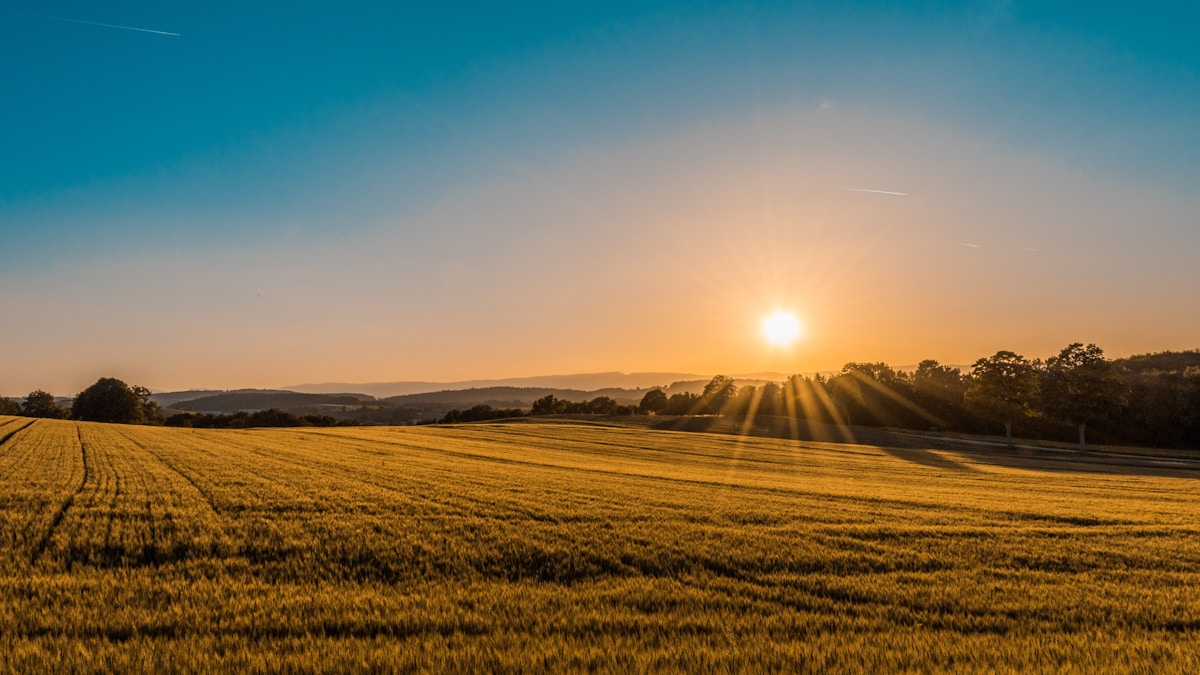
Saskatchewan is the breadbasket of Canada, producing more than 40% of the nation’s total crop output. But behind the vast golden fields of wheat, canola, and lentils lies a financial reality that many farmers struggle with daily — the challenge of managing agricultural debt in an industry defined by unpredictability. From volatile commodity prices and extreme weather events to rising input costs and generational farm transitions, Saskatchewan farmers face unique financial pressures that can strain even the most carefully managed operations.
Farm debt in Saskatchewan has reached historic levels, with total outstanding agricultural debt in the province exceeding $28 billion. While much of this debt represents productive investment in land, equipment, and operations, the sheer scale of borrowing — combined with the inherent volatility of farming — means that managing credit effectively is not just good practice, it is essential for survival. This comprehensive guide explores every aspect of farm debt management in Saskatchewan, from federal mediation services to crop insurance strategies, and provides practical advice for protecting your credit and your livelihood.
- Saskatchewan farm debt exceeds $28 billion, with average farm debt-to-asset ratios rising steadily
- The Farm Debt Mediation Service (FDMS) provides free, confidential mediation for farmers in financial difficulty
- Farm Credit Canada (FCC) offers specialized agricultural lending products designed for seasonal income patterns
- Saskatchewan crop insurance and AgriStability programs provide critical income stabilization
- Farm bankruptcy in Canada includes unique exemptions that protect essential agricultural assets
- Seasonal income management strategies can prevent credit damage during low-revenue periods
Understanding Farm Debt in Saskatchewan: The Numbers
Before exploring solutions and strategies, it is important to understand the scale and nature of farm debt in Saskatchewan. Agricultural debt is fundamentally different from consumer debt — it represents investment in a productive enterprise, but it also carries risks that most consumer borrowers never face.
The Growth of Farm Debt
Farm debt in Saskatchewan has grown significantly over the past two decades, driven by several factors:
| Factor | Impact on Debt | Trend |
|---|---|---|
| Land values | Saskatchewan farmland values increased over 300% since 2002, requiring larger loans for land purchases | Increasing |
| Equipment costs | Modern farming equipment regularly costs $500,000 to $1M+ per piece | Increasing |
| Input costs | Fertilizer, seed, chemical, and fuel costs have risen substantially | Volatile |
| Farm consolidation | Farms are growing larger, requiring more capital investment | Increasing |
| Interest rates | Rising rates since 2022 have significantly increased debt servicing costs | Stabilizing |
| Operating credit | Seasonal operations require substantial lines of credit for annual inputs | Increasing |
Debt-to-Asset Ratios
While farm debt has grown, farm assets — particularly land values — have also increased substantially. The average Saskatchewan farm debt-to-asset ratio remains manageable at approximately 16% to 20%. However, this aggregate figure masks significant variation. Younger farmers, those who have recently expanded, and operators in regions affected by drought or flooding may have debt-to-asset ratios of 40% or higher, placing them in a much more vulnerable financial position.
The aggregate debt-to-asset ratios for Saskatchewan agriculture look healthy, but they hide a growing divide between established operators with paid-off land and newer farmers carrying significant debt loads. When commodity prices drop or weather turns bad, it is the highly leveraged operations that face the greatest financial risk — and the greatest risk to their personal credit.
How Farm Debt Affects Personal Credit
Many Saskatchewan farmers operate as sole proprietors or partnerships, meaning their farm debt and personal credit are intertwined. Even incorporated farms often require personal guarantees from the operator for major loans. This means that farm financial difficulties can directly impact your personal credit score, affecting your ability to obtain personal loans, credit cards, mortgages on your residence, and even insurance.
Farm vs. Personal Credit: Understanding the Connection
If you have personally guaranteed farm loans, those obligations appear on your personal credit report. Late payments, defaults, and collections on farm debts will damage your personal credit score just as surely as missed credit card payments. Even if your farm is incorporated, lenders typically require personal guarantees for agricultural loans, creating a direct link between farm performance and personal creditworthiness.
The Farm Debt Mediation Service (FDMS): Your First Line of Defense
The Farm Debt Mediation Service is a free, confidential service provided by the Government of Canada under the Farm Debt Mediation Act. It is specifically designed to help farmers in financial difficulty reach agreements with their creditors while preserving the farming operation wherever possible.

How FDMS Works
-
Application
Any farmer who is insolvent or anticipates becoming insolvent can apply to the FDMS. The application is free and confidential. You can apply online through the Agriculture and Agri-Food Canada website or by contacting the FDMS office directly. Both the farmer and the creditor can initiate the process.
-
Stay of Proceedings
Once you apply, a stay of proceedings is automatically imposed for 30 days. This stay prevents creditors from taking any enforcement action — including seizing assets, foreclosing on land, or initiating legal proceedings. The stay can be extended if mediation is progressing. This provides immediate breathing room and protects your assets and credit from further damage during the mediation process.
-
Financial Review
An independent financial consultant is assigned to review your farming operation at no cost to you. This consultant examines your assets, liabilities, income projections, and overall viability. The review provides an objective assessment of your financial situation and forms the basis for mediation discussions.
-
Mediation Sessions
A trained mediator facilitates discussions between you and your creditors. The goal is to reach a mutually acceptable arrangement that allows you to continue farming while meeting creditor obligations. Common outcomes include debt restructuring, extended payment terms, interest rate reductions, partial debt forgiveness, and asset reorganization.
-
Agreement and Implementation
If mediation is successful, all parties sign a formal agreement outlining the terms of the arrangement. This agreement is legally binding and provides a clear path forward for both the farmer and creditors. If mediation is not successful, you retain all rights to other legal options, including voluntary or involuntary bankruptcy.
FDMS Benefits for Your Credit
The FDMS process offers several specific benefits for credit protection:
- Immediate stay of proceedings: Prevents further collection actions and potential credit damage during mediation
- Debt restructuring without bankruptcy: A mediated agreement does not carry the same credit report impact as a bankruptcy or consumer proposal
- Professional financial advice: The free financial review helps you make informed decisions about your financial future
- Preservation of farming operation: By keeping you farming, mediation preserves your income-generating capacity, which is essential for maintaining creditworthiness
The Farm Debt Mediation Service exists precisely because lawmakers recognized that farming is unlike any other business — it feeds the nation, and its financial challenges require specialized solutions that preserve both the farm and the farmer’s financial future.

Farm Credit Canada (FCC): Agricultural Lending Specialized for Farmers
Farm Credit Canada is the country’s largest agricultural lender, providing financing exclusively to Canadian farmers and agribusiness operators. As a federal Crown corporation, FCC operates with a mandate to support Canadian agriculture, which means its lending products and practices are specifically designed for the unique realities of farm finance.
FCC Loan Products for Saskatchewan Farmers
| Loan Product | Purpose | Key Features | Best For |
|---|---|---|---|
| Flexi-Rate Mortgage | Land and building purchases | Flexible rate options, terms up to 25 years, prepayment options | Land acquisition and expansion |
| Operating Line of Credit | Seasonal operating costs | Revolving credit, interest-only payments, seasonal flexibility | Annual input costs (seed, fertilizer, fuel) |
| Equipment Loan | Machinery and equipment | Fixed or variable rates, terms matched to equipment life | Major equipment purchases |
| Young Farmer Loan | Support for farmers under 40 | Reduced down payment, competitive rates, mentoring support | New and beginning farmers |
| Transition Loan | Farm succession planning | Specialized terms for intergenerational transfers | Family farm transitions |
| Ag-Line (FCC Express) | Quick access financing | Simplified application, fast approval, flexible use | Immediate capital needs |
FCC Lending and Your Credit Score
FCC loans are reported to credit bureaus just like any other loan. Making payments on time builds your credit history, while late or missed payments will damage your score. However, FCC has several features that make it easier for farmers to maintain good payment records:
- Seasonal payment schedules: FCC can structure payments to align with crop sale revenue, reducing the burden during low-income months
- Flexible payment options: Some products allow interest-only payments during specified periods
- Skip-a-payment provisions: Certain loan products include the ability to skip payments in designated months without penalty
- Hardship provisions: FCC has established processes for working with borrowers experiencing financial difficulty due to weather, market conditions, or other agricultural challenges
Building a Relationship with FCC
FCC relationship managers (formerly called account managers) specialize in agricultural finance. Building a strong relationship with your FCC representative allows them to understand your operation and advocate for you when financial challenges arise. Regular communication, transparent financial reporting, and proactive outreach during difficult periods can make the difference between a manageable restructuring and a credit-damaging default.
Alternative Agricultural Lenders
While FCC is the dominant agricultural lender, Saskatchewan farmers have other options:
- Chartered banks: RBC, TD, BMO, Scotiabank, and CIBC all have agricultural lending divisions with products for Saskatchewan farmers
- Credit unions: Saskatchewan’s credit union system (particularly Conexus and SaskCentral member credit unions) has deep roots in agricultural lending
- Caisse Desjardins: Offers agricultural products in some Saskatchewan markets
- Equipment dealers: Manufacturer financing programs from John Deere Financial, CNH Industrial Capital, and AGCO Finance
- Private lenders: Higher-cost option but may be available when traditional lenders decline (use with caution)
Do not put all your lending eggs in one basket. Having relationships with multiple lenders gives you negotiating leverage and backup options if one lender changes its risk appetite. I have seen situations where FCC tightened lending in a particular region or sector, and farmers with secondary banking relationships were able to weather the transition without credit disruption.
Crop Insurance and Income Stabilization Programs
Saskatchewan’s crop insurance and income stabilization programs are not just safety nets for bad years — they are essential tools for maintaining the cash flow consistency that protects your credit score. Understanding and maximizing these programs should be a core part of every Saskatchewan farmer’s financial strategy.

Saskatchewan Crop Insurance Corporation (SCIC)
The Saskatchewan Crop Insurance Corporation administers several programs designed to stabilize farm income and reduce financial risk:
Multi-Peril Crop Insurance
This flagship program provides coverage against yield losses from natural hazards including drought, excess moisture, frost, hail, wind, disease, and wildlife damage. Key features include:
- Coverage levels from 50% to 80% of your individual farm average yield
- Price elections based on projected commodity prices
- Individual coverage history that builds over time
- Premium subsidies from federal and provincial governments (typically 60% government-funded)
From a credit management perspective, crop insurance provides a guaranteed minimum income level that you can use to plan debt payments and demonstrate repayment capacity to lenders.
AgriStability
AgriStability provides margin-based income protection, covering declines in your farm’s net income (revenue minus expenses). When your production margin falls below 70% of your reference margin (a rolling five-year average), the program provides payments to help stabilize your income. Key considerations:
- Covers both production losses and market price declines
- Complementary to crop insurance (covers different risks)
- Requires annual enrollment and detailed financial records
- Payments can be slow, so bridge financing may be needed
AgriInvest
AgriInvest is a savings program where both the farmer and government contribute to a savings account that can be used to manage income declines or make investments. The government matches your contributions up to a maximum (currently 1% of allowable net sales, to a maximum of $10,000 per year). While modest, this program creates a tax-sheltered reserve that can be accessed during financial tight spots without affecting your credit.
Wildlife Damage Compensation
Saskatchewan farmers can claim compensation for crop and forage damage caused by wildlife, including waterfowl, deer, and elk. While not a major income stabilization program, these payments can help offset losses that might otherwise require additional borrowing.
Do Not Skip Crop Insurance Enrollment
Some farmers skip crop insurance in good years to save on premiums. This is a dangerous strategy from a credit perspective. Lenders view crop insurance as risk mitigation, and many require proof of coverage as a condition of lending. Dropping coverage not only exposes you to catastrophic loss but may also trigger covenant violations on your existing loans, potentially leading to credit consequences.
Using Insurance Payments to Protect Credit
When crop insurance or AgriStability payments are received, it is critical to allocate them strategically to protect your credit:
-
Service Debt Payments First
Use insurance payments to bring any overdue debt payments current. Late payments that are less than 90 days past due can often be brought current before they cause significant credit score damage. Prioritize payments to lenders who report to credit bureaus.
-
Fund Essential Operating Inputs
Allocate funds for next season’s critical inputs — seed, fertilizer, and fuel. Maintaining your operation’s productive capacity is essential for generating the revenue needed to service ongoing debt obligations.
-
Rebuild Operating Reserves
Replenish your operating line of credit or savings account to provide a cushion against future income disruptions. Aim to maintain at least three to six months of operating expenses as a reserve.
-
Communicate with Lenders
Proactively inform your lenders about insurance payments received and your plan for allocation. This demonstrates financial management capability and can build goodwill that serves you well during future negotiations.
Farm Bankruptcy in Canada: Agricultural Exemptions and Protections
While bankruptcy should be a last resort, understanding the unique protections available to Canadian farmers under bankruptcy law is important for making informed financial decisions. Farm bankruptcy in Canada is governed by the Bankruptcy and Insolvency Act (BIA), with specific provisions that recognize the essential nature of farming.
Agricultural Exemptions Under Federal and Provincial Law
Saskatchewan provides some of the most generous exemptions for farmers in Canada. Under The Exemptions Act of Saskatchewan, the following assets are protected from seizure in bankruptcy or by creditors:
| Exempt Asset | Details | Significance |
|---|---|---|
| Homestead (principal residence) | Quarter section (160 acres) that includes the home, or urban home up to a specific value | Protects the family home and surrounding farmland from seizure |
| Farm equipment | Tools, implements, and equipment necessary for farming (up to prescribed limits) | Allows the farmer to continue operations after bankruptcy |
| Seed grain | Sufficient seed to seed the farmer’s land | Ensures the ability to plant the next crop |
| Livestock | Specified number of animals necessary for the farming operation | Protects breeding stock and working animals |
| Feed | Sufficient feed for exempt livestock for specified periods | Ensures animal welfare and operation continuity |
| Personal property | Household furnishings, clothing, and personal effects up to prescribed limits | Maintains basic living standards |
| Motor vehicle | One motor vehicle up to $10,000 in value | Ensures basic transportation |
| RRSPs | Registered Retirement Savings Plans (except contributions in last 12 months) | Protects retirement savings |
The Homestead Exemption Is Powerful
Saskatchewan’s homestead exemption is particularly significant for farmers. Protecting a full quarter section (160 acres) that includes the family home means that even in the worst-case bankruptcy scenario, a farmer retains their home and a significant land base from which to rebuild. This is one of the most generous homestead exemptions in Canada and provides a meaningful safety net for farm families.
Farm Bankruptcy vs. Consumer Proposal
Before pursuing bankruptcy, Saskatchewan farmers should consider whether a consumer proposal (or orderly payment of debts program) might better serve their needs:
| Factor | Bankruptcy | Consumer Proposal |
|---|---|---|
| Credit report impact | Remains for 6–7 years after discharge | Remains for 3 years after completion |
| Asset retention | Only exempt assets retained | All assets retained (but must offer creditors more than bankruptcy would) |
| Debt reduction | Most unsecured debts eliminated | Negotiated reduction (typically 30–70% of debt) |
| Farming continuity | Can continue with exempt assets | Full operation continuity |
| Creditor agreement | No creditor vote required | Requires majority creditor approval |
| Cost | Surplus income payments for 9–21 months | Agreed payments over up to 5 years |
For Saskatchewan farmers, a consumer proposal is almost always preferable to bankruptcy when it is feasible. The ability to retain all assets — including non-exempt farmland and equipment — means the farmer can continue operating at full capacity, generating the income needed to fund the proposal payments. The shorter credit report impact also means faster access to future financing for the operation.
The BIA’s Special Farm Provisions
The Bankruptcy and Insolvency Act contains specific provisions for farmers:
- Section 48: A farmer cannot be involuntarily petitioned into bankruptcy by creditors if farming is their primary occupation. Only the farmer can voluntarily file for bankruptcy.
- Orderly payment of debts: Farmers can apply for court-supervised orderly payment schedules that consolidate debts and establish manageable payments at 5% interest
- Integration with FDMS: The Farm Debt Mediation Service must be offered as an alternative before any secured creditor can enforce a security against a farm

Managing Seasonal Income: The Key to Farm Credit Health
Perhaps the single greatest credit management challenge for Saskatchewan farmers is the seasonal nature of farm income. Unlike salaried employees who receive regular paycheques, farmers may receive the bulk of their annual income in a few months following harvest, with limited revenue during the remainder of the year.
The Cash Flow Challenge
A typical Saskatchewan grain farmer’s cash flow cycle looks something like this:
| Month | Cash Flow Activity | Typical Direction |
|---|---|---|
| January–March | Planning, input purchasing, equipment maintenance | Outflow (moderate) |
| April–May | Seeding, fertilizer application, fuel purchases | Outflow (heavy) |
| June–July | Crop maintenance, spraying, scouting | Outflow (moderate) |
| August–September | Harvest, initial grain deliveries | Mixed (heavy outflow with beginning inflow) |
| October–December | Grain marketing, crop sales, insurance payments | Inflow (heavy) |
This pattern creates a critical gap between spring expenses and fall revenue. During this gap, most farmers rely heavily on operating lines of credit, which must be managed carefully to avoid credit problems.
The difference between a financially healthy farm and one in crisis often comes down to cash flow management — not profitability. A farm can be profitable on an annual basis but face credit-damaging cash crunches during the spring and summer months if income timing is not carefully managed.
Strategies for Smoothing Seasonal Income
-
Spread Grain Sales Across the Calendar Year
Rather than selling your entire crop at harvest, develop a marketing plan that spreads sales across 12 months. Use grain contracts, deferred delivery agreements, and storage to sell in multiple periods. This creates more consistent monthly revenue and reduces reliance on operating credit during low-income months.
-
Use Cash Advance Programs
The Advance Payments Program (APP), administered through organizations like the Canadian Canola Growers Association and others, provides interest-free cash advances on stored grain. These advances provide cash flow during the winter and spring months, bridging the gap between harvest and sales without incurring interest charges that eat into profitability.
-
Negotiate Seasonal Payment Schedules
Work with your lenders to structure loan payments that align with your income pattern. Most agricultural lenders — including FCC, credit unions, and chartered banks — will accommodate semi-annual or annual principal payments timed to coincide with crop sale revenue. This prevents the credit damage that comes from missing monthly payments during low-income periods.
-
Build a Cash Reserve Fund
Aim to maintain a cash reserve equal to six months of operating and debt servicing costs. This reserve provides a buffer during years when crop sales are delayed due to quality issues, market conditions, or logistical challenges. A well-funded reserve means you never have to miss a debt payment — even in the worst years.
-
Diversify Income Sources
Consider supplementary income sources that generate revenue during farming’s low-income months. Options include off-farm employment, custom work for other farmers, grain drying or storage services, trucking, or non-farm business ventures. Diversified income smooths cash flow and reduces credit risk.
The Advance Payments Program: Free Money Management
The Advance Payments Program offers up to $100,000 in interest-free advances and additional advances at reduced interest rates (up to $1 million total). These advances are repaid as you sell your grain, creating a self-funding cash flow management tool that costs nothing for the interest-free portion. If you are not using APP advances, you are leaving free cash flow management on the table.
Credit Protection Strategies Specific to Saskatchewan Farmers
Beyond the general principles of credit management, Saskatchewan farmers face unique situations that require specialized strategies.
Protecting Credit During Drought Years
Saskatchewan has experienced increasing drought frequency, with major drought events affecting crop yields and farm income. During drought years:
- File crop insurance claims promptly and accurately
- Contact lenders before payments are due to discuss hardship provisions
- Apply for any applicable disaster assistance programs
- Consider selling livestock early to reduce feed costs and generate cash
- Document all drought impacts thoroughly for use in loan discussions and insurance claims
Managing Credit During Farm Transitions
Farm succession — transferring the operation from one generation to the next — is one of the most financially complex transitions in Canadian agriculture. Credit challenges during succession include:
- The incoming generation often carries significant debt from purchasing land and equipment
- The retiring generation may depend on sale proceeds for retirement income
- Tax implications of farm transfers can create unexpected cash needs
- Lenders may be cautious about lending to new operators without track records
Start succession planning at least ten years before the intended transition. Gradual transfers — where the incoming generation progressively takes on more responsibility and debt — are much gentler on credit profiles than sudden, large-scale transitions. Use tools like the lifetime capital gains exemption (currently $1 million for qualified farm property) to minimize tax burdens that can force unnecessary borrowing.
Credit Considerations for Young and Beginning Farmers
Young farmers entering the industry face a credit paradox: they need substantial financing to establish viable operations, but they often have limited credit history and few assets for collateral. Strategies for building and protecting credit as a beginning farmer include:
- Start with a secured credit card or small personal loan to build credit history
- Take advantage of FCC’s Young Farmer Loan program, which offers reduced down payments and competitive rates
- Consider starting with rented land to reduce initial capital requirements and debt load
- Build relationships with lenders through small, successfully managed loans before seeking major financing
- Participate in farm management training programs, which some lenders recognize when assessing loan applications
Provincial and Federal Support Programs
Saskatchewan farmers have access to several support programs that can help manage financial challenges and protect credit:
Saskatchewan-Specific Programs
- Saskatchewan Farm Stress Line: 1-800-667-4442 — Free, confidential counselling for farmers and families dealing with financial and emotional stress. Financial stress is a leading cause of poor decision-making that can damage credit.
- Farm and Ranch Water Infrastructure Program: Provides funding for water supply development, reducing costs that might otherwise require borrowing
- Saskatchewan Agricultural Implements Act: Protects farmers from unfair equipment dealer practices that could lead to unexpected financial obligations
- The Saskatchewan Farm Security Act: Provides protections for farmland owners, including restrictions on foreign ownership and provisions for farm foreclosure mediation
Federal Programs
- AgriRecovery: Disaster assistance for extraordinary costs beyond normal business risks
- Canadian Agricultural Partnership: Funding for farm improvement projects that can increase efficiency and profitability
- Environmental Farm Plans: Access to funding for environmental improvements that can also reduce operating costs

Tax Strategies That Protect Farm Credit
Effective tax planning is an often-overlooked component of credit management for Saskatchewan farmers. Several tax strategies can improve cash flow and reduce the need for borrowing:
- Cash basis vs. accrual accounting: Most farmers use cash-basis accounting, which allows control over taxable income by timing sales and purchases
- Deferred grain sales: Using deferred cash purchase tickets allows you to defer income to the following tax year
- Capital cost allowance (CCA): Accelerated depreciation provisions for farm equipment can reduce tax obligations in high-income years
- Farm losses: Farm losses can be carried back three years or forward twenty years, providing tax refunds or credits that improve cash flow
- Lifetime capital gains exemption: The $1 million exemption on qualified farm property reduces tax burdens during farm sales or succession
Work with an Agriculture-Specialized Accountant
Farm tax planning is complex and requires specialized knowledge. An accountant experienced in agricultural taxation can save you thousands of dollars in taxes annually — money that can be directed toward debt reduction and credit improvement. The cost of professional tax advice is a tax-deductible business expense and typically pays for itself many times over.
Building Financial Resilience on the Farm
Long-term credit health for Saskatchewan farmers requires building financial resilience — the ability to absorb financial shocks without resorting to measures that damage your credit.
The Five Pillars of Farm Financial Resilience
| Pillar | Action | Credit Benefit |
|---|---|---|
| Liquidity | Maintain cash and near-cash reserves equal to 6+ months of expenses | Prevents missed payments during revenue disruptions |
| Diversification | Diversify crops, income sources, and marketing strategies | Reduces the impact of any single adverse event |
| Risk management | Maximize crop insurance and income stabilization programs | Provides guaranteed minimum income for debt servicing |
| Debt management | Maintain debt-to-asset ratio below 30% and debt service coverage above 1.5x | Ensures capacity to service debt even in poor years |
| Planning | Develop and update annual and long-term business plans | Demonstrates financial management capability to lenders |
Financial resilience on the farm is not about avoiding debt — it is about ensuring that your debt structure can withstand the inevitable volatility of agricultural markets and weather without compromising your personal creditworthiness or your family’s financial security.
Frequently Asked Questions About Saskatchewan Farm Debt
Saskatchewan’s Exemptions Act protects farm implements and tools necessary for the debtor’s occupation, up to prescribed values. However, this exemption has limits, and equipment securing specific loans (such as equipment purchased with dealer financing) may be subject to repossession under the terms of the security agreement. Consult a lawyer familiar with Saskatchewan farm law for advice specific to your situation.
If you have personally guaranteed farm loans, those obligations are included in your total debt service ratio when applying for a personal mortgage. High farm debt can make it difficult to qualify for a home mortgage, even if the farm is profitable. Some lenders specialize in understanding farm finances and may be more accommodating. Ensure your farm financial statements are current and clearly demonstrate the farm’s ability to service its debts.
The FDMS is available to farmers who are insolvent or who anticipate becoming insolvent. If you are not yet in financial difficulty but see challenges ahead, you can still contact FDMS for information and guidance. However, formal mediation typically requires demonstrated or imminent insolvency. Proactive financial planning through your lender or a farm financial advisor is recommended for farmers not yet in distress.
A first bankruptcy remains on your credit report for six years from the date of discharge in most provinces (seven years in some). A second bankruptcy remains for 14 years. A consumer proposal remains for three years after completion. These timelines apply regardless of whether the underlying debt was farm-related or personal.
Incorporation creates a separate legal entity, which can provide some separation between farm and personal finances. However, most lenders require personal guarantees from farm corporation shareholders, which means farm debts still affect your personal credit. Incorporation offers tax planning advantages and liability protection, but it is not a complete shield for personal credit. Discuss incorporation with your accountant and lawyer to understand the full implications for your situation.
Agricultural interest rates vary based on the type of loan, lender, term, and the borrower’s creditworthiness. As of early 2026, typical rates range from prime to prime plus 2% for operating credit, and fixed rates of 5% to 7% for term loans. FCC and credit unions often offer competitive rates for well-qualified borrowers. Your credit score, debt-to-asset ratio, and repayment history are the primary factors in determining your rate.
Taking Control of Your Farm’s Financial Future
Managing farm debt in Saskatchewan is a complex challenge, but it is not an insurmountable one. The combination of government support programs, specialized agricultural lenders, crop insurance, and legal protections provides Saskatchewan farmers with a robust toolkit for managing financial challenges while protecting their credit.
The key is proactive management — anticipating challenges, maintaining adequate reserves, using available programs, and communicating openly with lenders before problems escalate. Farmers who take these steps are far more likely to maintain healthy credit profiles that serve them well through both boom and bust years.
If you are currently struggling with farm debt or concerned about your credit situation, take action today. Contact the Farm Debt Mediation Service, speak with your lender, review your crop insurance coverage, and develop a plan that aligns your debt structure with the realities of Saskatchewan agriculture.
Join 10,000+ Canadians who started their credit journey with Credit Resources.
GET STARTED NOWYour farm is more than a business — it is a legacy. Protecting your credit protects your ability to continue that legacy for generations to come.
Related Canadian Credit Guides
- St. John's Newfoundland Credit Guide: East Coast Financial Resources for Building & Rebuilding Credit
- Barrie Ontario Credit Guide: Financial Resources for Simcoe County
- Moncton and Fredericton Credit Guide: New Brunswick Financial Resources for Building and Rebuilding Credit
- Brandon Manitoba Credit Guide: Westman Region Financial Resources
- Richmond BC Credit Guide: Financial Resources for Metro Vancouver Residents

Start Building Better Credit Today
Join 10,000+ Canadians who took control of their financial future with our proven credit-building tools.